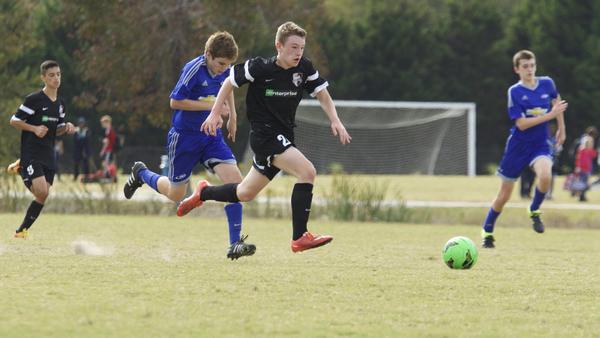

Football is powered by passion, not just from the players, but from the fans who stand in the rain, refresh live updates, and fill local grounds with noise and colour. In the digital age, that passion extends far beyond the pitch. Supporters expect connection, personality, and authenticity from the teams they love. For coaches, managers, and club organisers, football fan engagement through social media has become a vital part of running a successful team at every level, from grassroots to semi-professional.
Fans no longer simply watch; they participate. They comment, share, analyse, and celebrate. What once happened in the stands now happens on screens. Done right, this connection deepens loyalty, attracts sponsorship, and even helps with player retention. Done poorly, it feels mechanical and empty.
This article explores how to build stronger bonds between players and supporters online, and how tools like TeamStats make it easier for grassroots clubs to grow a thriving online community.
Why Social Media Matters in Modern Football
A football club used to rely solely on its matches to maintain visibility. Now, the conversation continues seven days a week. Social platforms offer clubs a way to share stories, highlight personalities, and keep supporters emotionally invested.
In grassroots football, this matters more than ever. Fans are often family members, local residents, or former players. They want to see progress, moments of pride, and the small victories that make local football special.
Social media transforms the matchday programme into a living, breathing conversation. With the right strategy, every photo, caption, and clip can strengthen your club’s identity and culture.
Understanding the Psychology of Football Fan Engagement
Supporters don’t just follow a team, they invest emotionally in it. Effective football fan engagement taps into that connection through consistent, authentic communication.
When fans see genuine player personalities online, they feel part of something larger than themselves. It turns passive viewers into active participants.
Psychologically, three principles drive engagement:
Belonging: Fans seek community. Interactive posts (polls, challenges, Q&As) make them feel included.
Recognition: People love acknowledgement. A simple retweet from a player can make a supporter’s day.
Emotion: Posts that capture humour, excitement, or pride are far more shareable than sterile updates.
For coaches and managers, this isn’t just marketing, it’s culture-building.
Choosing the Right Platforms for Your Team
Each platform serves a different purpose. Knowing where your audience lives and tailoring content accordingly keeps engagement natural rather than forced.
Still dominant among parents, community members, and older fans. Great for club news, fixtures, fundraising campaigns, and league results. Combine posts with links to your Grassroots Football Fundraising Ideas for added value.
Perfect for visual storytelling. Training snippets, match highlights, or player birthdays all work well here. Use Stories and Reels for quick updates.
X (formerly Twitter)
Best for real-time conversation. Matchday commentary, results, and retweets from players or fans make the feed dynamic.
TikTok
Ideal for younger audiences. Short, light-hearted clips, celebrations, skill showcases, or dressing-room banter build relatability.
YouTube
For long-form storytelling. Post-match highlights, player interviews, or “behind-the-scenes” series.
Choose platforms that reflect your club’s identity rather than trying to be everywhere at once. Consistency beats volume every time.
Setting the Tone: Authenticity Above All
Fans can spot inauthenticity instantly. The most successful football fan engagement strategies focus on personality over polish.
Players don’t need to sound like media professionals; they just need to sound like themselves. Encourage natural communication, humour, honesty, and humility go a long way.
Tone should feel like conversation, not corporate messaging. Whether you’re a junior club in the Eastern Junior Alliance or an adult Sunday League side, authenticity builds trust faster than slick editing ever will.
Encouraging Players to Participate
Many players feel nervous about posting publicly. They worry about saying the wrong thing or drawing unwanted attention. Coaches and managers can help by creating clear but supportive social media guidelines.
Encourage:
Sharing match highlights or celebrations.
Thanking fans for their support after games.
Posting community content (school visits, charity events).
Promoting inclusivity and team spirit.
Avoid:
Negative comments about referees or opponents.
Sharing internal team disputes.
Overly personal or unrelated content.
By training players on online professionalism, you help them understand that they’re ambassadors for both their team and their community.
Building Storytelling Around Players
Every footballer has a story, from the under-10 who scored their first goal to the veteran still playing for the love of the game. Sharing those journeys fuels football fan engagement more than any marketing campaign.
Consider featuring:
“Player of the Week” spotlights.
Mini-interviews after big matches.
Behind-the-scenes moments like training bloopers or pre-match rituals.
Player blogs written collaboratively by the media officer and the athlete.
Fans connect most when they see the person behind the shirt. It reminds them that football is built on shared humanity, not just competition.
The Role of Coaches and Managers Online
Leadership shapes tone, both on and off the field. A manager who embraces digital engagement sets a cultural standard.
Sharing motivational posts, thanking fans, or praising effort (not just results) reinforces club values. Posting about your use of performance tools such as the Team Management App also demonstrates professionalism and transparency.
When fans see structure, care, and consistency online, they sense the same qualities within the team. That alignment deepens respect.
Fictional Anecdote: The Team That Turned Comments into Commitment
At one local club in the Midland Junior Premier League, a coach named Sarah noticed dwindling support. The stands weren’t as full, and the online posts received little engagement.
Instead of blaming “algorithms,” she tried something new. Each week, one player was given control of a 24-hour Instagram Story. They shared clips from warm-ups, pre-match meals, and post-game shout-outs. Fans loved it. Within a month, likes tripled. More importantly, attendance rose as supporters recognised faces they’d chatted with online.
By making her players storytellers, Sarah turned passive followers into active fans, proof that when handled well, football fan engagement can transform community spirit.
The Power of Community Challenges
Interactive campaigns invite fans to contribute, not just consume. Simple ideas often work best:
“Goal Celebration of the Month” video competition.
Fan photo submissions for match programmes.
Hashtag campaigns encouraging supporters to share kit photos.
Fundraising drives are shared through social channels.
Each initiative gives fans ownership, the emotional glue that holds community football together.
Balancing Professionalism and Personality
Grassroots football thrives on character, but every club still represents its wider community. Striking the balance between friendly and formal ensures content stays respectful.
Best practice:
Designate a small media team to proof posts before publishing.
Schedule posts through official channels rather than personal profiles.
Use consistent branding and hashtags.
Monitor comments regularly to remove inappropriate content.
It’s not about censorship, it’s about safeguarding. Clubs that maintain positive online spaces attract families, sponsors, and local pride.
Using Data and Analytics to Refine Strategy
Like performance stats on the pitch, social analytics reveal patterns. Which posts attract the most engagement? What times produce the best reach?
Tools such as TeamStats already offer match reporting and analysis. Combining that data with social media metrics helps create a complete picture of both sporting and community success.
Track metrics like:
Engagement rate per post (likes + comments ÷ followers).
Growth trends over time.
Click-throughs to match reports or ticket links.
Sentiment analysis (positive vs. negative comments).
Use this insight to shape future campaigns, just as you’d tweak tactics after reviewing match footage.
Analogy: Football Fan Engagement as a Tactical Formation
Think of football fan engagement like setting up your team formation. Every position has a purpose: the players (content creators), the midfield (coaches and admin), and the supporters (fans in attack, driving momentum).
If one unit overworks or drifts out of shape, balance is lost. Engagement, like football, depends on teamwork, strategy, creativity, and timing.
The goal isn’t to post endlessly, but to create flow. When communication moves smoothly between players and supporters, the club feels alive.
Incorporating Matchday Experiences
Matchdays remain the heartbeat of football life. Use them to amplify social connection.
Pre-Match: Share team sheets, countdowns, or motivational quotes.
During the Game: Live-tweet key moments or post Instagram Stories for goals and celebrations.
Post-Match: Upload a short recap video and link it to the relevant league directory or match report.
When fans can relive those experiences online, it strengthens attachment and encourages them to return for the next fixture.
Integrating Youth and Family Engagement
Younger players and their families are digital natives. Harnessing their enthusiasm builds continuity for the club’s future.
Feature junior teams in highlight reels.
Share short interviews with youth captains or coaches.
Encourage safe, parent-approved social sharing of achievements.
Link community events to fundraising campaigns or partnerships.
These efforts show inclusivity and growth, cornerstones of football fan engagement.
Collaboration with Leagues and Local Media
Partnerships extend reach. Linking posts to league results, like those from the East Manchester Junior Football League, adds authenticity and relevance. Local newspapers or radio stations often welcome grassroots content, offering cross-promotion opportunities.
Share highlights, player milestones, or charity efforts. Each collaboration increases credibility while reinforcing your club’s role in the community.
Managing Challenges and Criticism
Online interaction isn’t always smooth. Negative comments, poor results, or controversial refereeing decisions can test discipline.
Maintain transparency without confrontation. Address issues calmly, thank supporters for feedback, and keep private discussions off public channels.
Educate players about digital professionalism: once something is posted, it’s permanent. A single poor judgment tweet can damage reputations built over years.
Crisis management plans, even for small clubs, prevent emotional overreactions that spiral.
Showcasing Achievements and Partnerships
Recognition motivates everyone. Celebrate success openly:
Player milestones (100 appearances, hat-tricks).
Sponsorships or local business partnerships.
Charity work and community volunteering.
These posts attract local support and potential sponsors, boosting both morale and finances. They also show that your club embodies values beyond winning, teamwork, inclusivity, and growth.
Linking Online Engagement to Real-World Results
Social interaction doesn’t just look good on a feed; it translates to attendance, recruitment, and fundraising success.
For example, when a youth club linked their highlight videos to player registration drives, they saw a 25% increase in sign-ups. Another Sunday League side used interactive polls to choose their new kit design, and sold out within a week.
Fans respond when they feel involved in decisions. The same passion that fuels chants on matchday fuels engagement online.
Supporting Volunteers and Admins Behind the Scenes
Many grassroots teams rely on volunteers juggling full-time jobs. Simplifying content management keeps morale high. Platforms like TeamStats reduce admin stress through:
Centralised data storage for fixtures and stats.
Automated match reports for easy sharing.
Built-in communication tools to update fans quickly.
These efficiencies free up time for creativity, and more importantly, for football itself.
Measuring Long-Term Impact
The real success of football fan engagement lies in sustainability. Are more parents attending matches? Are local businesses showing interest? Has retention improved among players and volunteers?
Use metrics such as:
Year-on-year attendance changes.
Growth in online followers and engagement.
Sponsorship or donation increases.
Player feedback on morale and motivation.
When digital enthusiasm converts into tangible results, your strategy has succeeded.
Maintaining Inclusivity and Respect Online
Diversity and respect are central to modern football. Clubs should ensure their online presence reflects these values.
Promote girls’ and mixed-gender teams equally.
Highlight cultural events and community initiatives.
Challenge discrimination or inappropriate comments promptly.
Inclusivity strengthens reputation and invites wider participation. It tells fans that every supporter belongs.
Future Trends in Football Fan Engagement
As technology evolves, fan interaction will only deepen. AI-powered analytics, personalised match highlights, and interactive apps will continue reshaping the landscape.
Grassroots clubs can stay ahead by focusing on timeless principles, community, transparency, and authenticity, while adopting tools that make connections easier.
Platforms like TeamStats bridge that gap, giving small clubs professional-grade management features that scale effortlessly. The next generation of supporters expects seamless digital experiences; meeting that expectation today ensures loyalty tomorrow.
Final Thoughts: Building Bridges Between Players and Fans
Football has always been a game of relationships between teammates, coaches, and the crowd. In a connected world, those relationships live both on the pitch and online.
By embracing thoughtful football fan engagement, clubs don’t just grow followers, they grow family. Every retweet, comment, and highlight shared strengthens the bond between local heroes and loyal supporters.
So, whether you’re running a junior side, managing a Sunday League outfit, or coordinating multiple squads, remember that engagement begins with authenticity. Share your story, empower your players, and let fans feel part of the journey.
To streamline how you manage communication, match data, and digital growth, explore TeamStats, and if you’re ready to elevate your club’s connection with supporters, get in touch today.