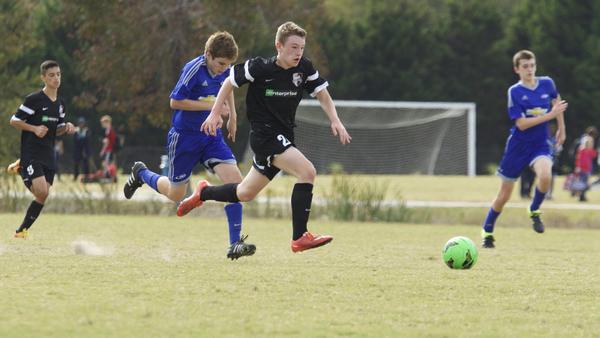

The grassroots football landscape has transformed dramatically over the past decade. Coaches who once relied purely on personal playing experience now face expectations around tactical periodisation, age-appropriate training methodologies, and digital performance tracking. Yet many volunteer coaches remain stuck at their initial qualification level, not because they lack ambition, but because they struggle to find time, resources, or clear pathways for development.
Research from The FA shows that only 38% of grassroots coaches progress beyond their initial Level 1 qualification within five years. This stagnation doesn't reflect a lack of commitment - grassroots coaches dedicate an average of 12 hours weekly to their teams. Rather, it highlights systemic barriers: prohibitive course costs, scheduling conflicts with work and family, and limited awareness of available development opportunities.
Creating a culture of continuous professional development transforms coaching quality, player experiences, and team performance. When coaches actively pursue football coach education, they don't just collect certificates - they gain practical tools to solve real training ground challenges, from managing mixed-ability groups to implementing age-appropriate tactical concepts.
Understanding the Barriers to Coach Development
Grassroots coaches face distinct obstacles that don't affect their professional counterparts. Time constraints top the list - most volunteer coaches juggle full-time employment, family responsibilities, and team management duties. FA coaching courses typically require weekend attendance over multiple months, creating logistical nightmares for parents with young children or shift workers.
Financial and Geographical Barriers
Financial barriers compound these challenges. An FA Level 2 qualification costs approximately £340, plus travel expenses and potential childcare costs. For volunteers managing teams on limited budgets, this represents a significant personal investment without guaranteed return. Many coaches report feeling guilty about spending money on their own development when their team needs new equipment or tournament fees. Clubs can address this through dedicated fundraising activities specifically supporting coach education.
Geographical isolation affects rural coaches particularly severely. County FA courses concentrate in urban centres, requiring lengthy travel for coaches in remote areas. A coach in rural areas might face a three-hour round trip to attend sessions, turning a four-hour course into an eight-hour commitment.
Confidence Gaps
Confidence gaps prevent many experienced coaches from pursuing formal qualifications. Parent-coaches who've successfully managed teams for years sometimes feel intimidated by formal education environments, worried their practical experience won't translate to classroom settings. This impostor syndrome particularly affects those who didn't play football at high levels themselves.
Building a Development Culture Within Your Club
Club-level initiatives create sustainable pathways for football coach education that address individual barriers. Forward-thinking clubs establish development funds specifically for coach qualifications, subsidising course fees through fundraising arrangements or sponsorship. The most effective programmes don't just pay for courses - they create structured pathways showing coaches exactly which qualifications suit their experience level and team responsibilities.
Mentorship and Shared Learning
Mentorship programmes pair newly qualified coaches with experienced practitioners, providing practical support that formal courses can't replicate. A Level 2 qualified coach might shadow an experienced manager during match days, observing team selection discussions, tactical adjustments, and post-match feedback sessions. This apprenticeship model accelerates learning while building confidence.
Shared learning sessions transform individual development into collective growth. Monthly club meetings, where coaches present training activities they've learned or discuss tactical concepts they're implementing, create peer-learning opportunities. A coach who attended a session on opposed passing drills can demonstrate the activity to colleagues, multiplying the value of their course attendance across multiple teams.
Resource Libraries
Resource libraries centralise learning materials, making development accessible outside formal courses. Clubs can compile recommended books, coaching videos, FA webinar recordings, and football coaching apps that support tactical planning. Digital platforms enable coaches to share session plans and training activities, creating collaborative development environments.
Leveraging Free and Low-Cost Development Opportunities
The FA's England Football Learning platform offers extensive free resources that many coaches overlook. The online learning hub provides modules on safeguarding, first aid awareness, mental health awareness, and age-appropriate coaching principles. These courses provide CPD hours that maintain coaching licence validity while developing crucial knowledge areas.
Webinars and Online Content
County FA webinars deliver targeted development on specific topics - defending principles, attacking patterns, goalkeeper coaching, or player psychology. These hour-long sessions fit more easily into busy schedules than full-day courses, and recordings allow coaches to learn at convenient times. Most County FAs offer 6-8 webinars monthly across various topics and experience levels.
YouTube channels from reputable sources provide tactical education at no cost. The FA's official channel, UEFA's coaching content, and established grassroots football coaching educators share training activities, tactical explanations, and coaching philosophy discussions. The key lies in discriminating between evidence-based content and unsubstantiated opinions.
Observation Opportunities
Observing other coaches accelerates development without formal course attendance. Arranging to watch training sessions at local clubs exposes coaches to different methodologies and activity structures. Most coaches welcome observers who approach respectfully and show genuine interest in learning. Taking notes on session structure, activity progressions, and coaching language provides practical insights immediately applicable to sessions.
Peer observation within clubs creates reciprocal learning opportunities. Two coaches might agree to observe each other's sessions monthly, providing constructive feedback on communication style, activity organisation, or differentiation strategies. This costs nothing but delivers personalised development targeting specific improvement areas.
Creating Personalised Development Plans
Generic approaches to football coach education rarely succeed. Coaches need individualised pathways reflecting their current qualification level, experience, team age group, and personal circumstances. A structured development plan transforms vague ambitions into achievable steps.
Auditing and Goal Setting
Start by auditing current knowledge and identifying specific gaps. A coach might feel confident delivering technical practices but struggle with tactical periodisation or managing challenging player behaviours. Pinpointing these specific weaknesses allows targeted development rather than scattergun course attendance.
Set realistic timescales, acknowledging personal constraints. A parent with young children might target one formal qualification annually, supplemented by monthly webinar attendance and regular peer observation. A retired coach with more flexibility might pursue multiple qualifications within shorter timeframes.
Breaking Down Qualifications
Break larger qualifications into manageable milestones. Rather than viewing Level 2 as a single overwhelming commitment, recognise it as discrete modules covering different competencies. Completing the online theory component first, then attending practical weekends separately, makes the qualification feel more achievable.
Document learning in coaching journals that capture insights, questions, and applications. After attending a course or webinar, coaches should note three specific ideas they'll implement in their next session. This reflection transforms passive learning into active development, ensuring new knowledge translates to changed practice.
Integrating Technology into Coach Development
Digital tools democratise access to coaching education, removing geographical and temporal barriers. Football coaching apps provide session planning templates, animated drill libraries, and tactical boards that support coaches in implementing new concepts learned through formal education.
Video Analysis and Online Communities
Video analysis tools enable coaches to review their own sessions, identifying areas for improvement that might escape notice during live delivery. Recording training sessions (with appropriate parental consent) allows coaches to evaluate their positioning, communication clarity, and activity organisation. This self-analysis develops reflective practice habits that accelerate improvement.
Online coaching communities connect grassroots coaches globally, creating peer support networks that combat isolation. Facebook groups, coaching forums, and WhatsApp communities allow coaches to ask questions, share resources, and discuss challenges with thousands of fellow practitioners. The collective knowledge within these communities often matches or exceeds formal course content.
Tactical Analysis and Management Tools
Tactical analysis software helps coaches understand professional game patterns that inform grassroots coaching. While grassroots coaches shouldn't directly replicate professional tactics, understanding how elite teams build possession or defend transitions provides conceptual frameworks applicable at youth levels. Understanding tactical formations and their applications helps coaches make informed decisions about team shape and player positioning.
A team management app reduces administrative burden, freeing time for development activities. When coaches spend less time chasing player availability or manually creating team sheets, they gain capacity for course attendance, webinar viewing, or peer observation. An efficient organisation creates development time rather than requiring coaches to find additional hours.
Fostering Collaborative Learning Networks
Isolation stunts coach development. Creating networks where coaches regularly interact, share ideas, and solve problems collaboratively accelerates growth beyond individual capability. These networks function most effectively when structured around regular interaction rather than ad-hoc communication.
Network Structures
Establish a monthly coach forum meeting to discuss specific topics. One session might focus on defending principles, with each coach sharing their approach to teaching defensive shape. Another might address player motivation, exploring strategies for engaging reluctant participants. Structured agendas ensure meetings deliver value rather than devolving into general chat.
Cross-club partnerships expose coaches to different philosophies and methodologies. Arranging joint training sessions where teams from different clubs combine allows coaches to observe peers working with unfamiliar players. This removes the comfort of working with familiar groups, challenging coaches to adapt their communication and organisation.
Age-group-specific networks connect coaches working with similar developmental stages. Under-9 coaches face distinct challenges around attention spans and technical limitations that differ markedly from under-16 contexts. Networks focused on specific age bands enable more targeted discussion than generic coaching forums.
Position-specific development groups allow coaches to deepen expertise in particular areas. A goalkeeper coach network might meet quarterly to share handling progressions, distribution practices, or one-versus-one techniques. This specialisation benefits clubs lacking dedicated goalkeeper coaches, as outfield-focused coaches gain specific knowledge to support their keepers.
Recognising and Celebrating Development Achievements
Acknowledgement motivates continued learning. Clubs should publicly celebrate coaching qualifications, webinar attendance, and development milestones. This recognition validates the time and financial investment coaches make while modelling continuous improvement for players and parents.
Creating Visible Pathways
Create visible development pathways showing progression routes from unqualified volunteer to advanced qualifications. Display boards showing each coach's current qualifications and development goals make learning visible and normal. Players benefit from seeing their coaches actively learning, reinforcing that improvement requires ongoing effort at all levels.
Link coach development to team opportunities where appropriate. Coaches pursuing advanced qualifications might receive first consideration for older age groups or representative team positions. This creates tangible incentives for development while ensuring more qualified coaches work with players at crucial developmental stages.
Share coaching insights with the wider club community. Coaches returning from courses might deliver brief presentations at club meetings, sharing key learnings with parents and fellow coaches. This reinforces their own learning while spreading knowledge across the club.
Addressing Specific Development Needs by Experience Level
New coaches require different support than experienced practitioners. Tailoring development approaches to experience levels ensures relevant, applicable learning that addresses actual needs rather than perceived gaps.
Unqualified to Advanced Coaches
Unqualified parent-coaches need foundational knowledge around safeguarding, age-appropriate practices, and basic session structure. Pairing them with experienced mentors while they pursue FA Introduction to Coaching or Playmaker qualifications prevents overwhelming them with advanced tactical concepts before they've mastered fundamental coaching skills.
FA Level 1 qualified coaches benefit from topic-specific development around technical teaching progressions, small-sided game formats, and player psychology. Webinars focusing on specific technical elements - passing, receiving, dribbling - help them develop deeper expertise in fundamental skills that dominate grassroots football.
FA Level 2 qualified coaches should explore tactical periodisation, opposed practice design, and performance analysis. These coaches possess foundational skills but need support in implementing more sophisticated training methodologies that bridge recreational and competitive football.
Experienced coaches with advanced qualifications require ongoing challenges through specialist courses - UEFA B licence, FA Youth Award, or position-specific qualifications. These coaches might also transition into mentorship roles, developing others while maintaining their own learning through teaching.
Making Development Sustainable Long-Term
Short-term enthusiasm for coach development often fades without structural support. Embedding development into club culture requires systems that outlast individual personalities or committee changes.
Structural Investment
Allocate specific budget percentages to coach development annually. Committing 10-15% of club income to coaching education ensures consistent funding regardless of committee composition. This financial commitment signals that development isn't optional but central to club identity.
Establish development coordinators responsible for identifying opportunities, communicating courses, and supporting coaches through qualification processes. This role shouldn't fall to already-overloaded chairpersons or secretaries but receive dedicated attention from someone passionate about coaching improvement.
Planning and Scheduling
Create succession planning that identifies future coaching needs and develops individuals to fill them. If an under-16 coach will step down in two years, identify and support an under-14 coach to pursue qualifications, preparing them for that transition. This proactive approach prevents scrambling for qualified coaches when vacancies arise.
Build development time into seasonal calendars. Designating specific weeks for coach education - perhaps during school holidays when regular training pauses - normalises course attendance and reduces scheduling conflicts. Coaches can plan work leave and family commitments around these designated development periods.
Measuring Development Impact
Tracking development outcomes demonstrates value and identifies areas needing additional support. Clubs should monitor both participation metrics and qualitative improvements in coaching practice.
Qualification and Competency Tracking
Record qualification levels across all coaches, tracking progression over time. A club might aim for 100% of coaches holding minimum Level 1 qualifications within three years, with 40% progressing to Level 2. These targets create accountability while celebrating incremental progress.
Survey coaches about confidence levels in specific competencies - session planning, tactical knowledge, behaviour management, player feedback. Comparing survey results annually reveals whether development initiatives address actual needs or miss the mark.
Feedback and Outcomes
Gather parent and player feedback about coaching quality through anonymous surveys. Questions about session organisation, communication clarity, and player enjoyment provide indirect measures of coaching improvement. Improvements in these areas often correlate with enhanced coach development.
Monitor player development outcomes, including technical assessments, match performance, and progression to higher levels. While many factors influence player development, sustained coaching improvement should correlate with enhanced player outcomes over multi-year periods.
Overcoming Resistance to Development
Not all coaches embrace continuous learning. Some feel their experience suffices, others resist change, and some genuinely lack the capacity for additional commitments. Addressing resistance requires understanding underlying causes rather than mandating participation.
Understanding Different Types of Resistance
Experience-based resistance often masks insecurity about formal education. Coaches who've successfully managed teams for years might fear that pursuing qualifications will expose knowledge gaps. Emphasising that qualifications validate and enhance existing expertise rather than starting from zero reduces this anxiety.
Time-based resistance requires creative solutions rather than dismissal. Offering financial support for online courses that coaches can complete flexibly, or arranging childcare during in-person sessions, demonstrates that the club values their development enough to remove barriers.
Cost-based resistance needs a transparent discussion about available support. Many coaches assume they must self-fund all development, unaware of club subsidies, County FA bursaries, or employer training budgets that might apply. Proactively communicating available financial support prevents cost from becoming an insurmountable barrier.
Philosophical resistance from coaches who question qualification value needs respectful engagement. Sharing specific examples of how qualifications improved practice - "The Level 2 session on opposed practices completely changed how possession training is structured" - provides concrete evidence of benefits beyond theoretical arguments.
Conclusion
Continuous professional development transforms grassroots football from well-meaning volunteers delivering ad-hoc sessions into structured, evidence-based coaching that maximises player development. The barriers preventing coaches from pursuing football coach education - time constraints, financial limitations, geographical isolation, and confidence gaps - require systematic solutions rather than individual heroics.
Clubs that prioritise coach development through subsidised qualifications, mentorship programmes, collaborative learning networks, and recognition systems create cultures where continuous improvement becomes normal rather than exceptional. When development pathways are visible, supported, and celebrated, coaches progress from initial qualifications through advanced certifications while immediately applying new knowledge to their practice.
Technology plays an increasingly vital role in democratising access to coaching education. Digital platforms, online courses, video analysis tools, and TeamStats team management capabilities remove traditional barriers while providing practical support for implementing learned concepts. The most effective development approaches blend formal qualifications with informal peer learning, online resources with in-person mentorship, and individual study with collaborative problem-solving.
The ultimate beneficiaries of enhanced coach development aren't the coaches themselves but the thousands of young players experiencing better-structured sessions, clearer communication, age-appropriate challenges, and more supportive learning environments. Every hour a coach invests in their own development multiplies across dozens of players over multiple seasons, creating ripple effects that extend far beyond individual teams or single seasons. For clubs ready to support their coaches' development journey while streamlining team administration, a team management app provides the infrastructure that frees time for learning and creates environments where continuous improvement thrives.
═══════════════════════════════════════════════════════════════