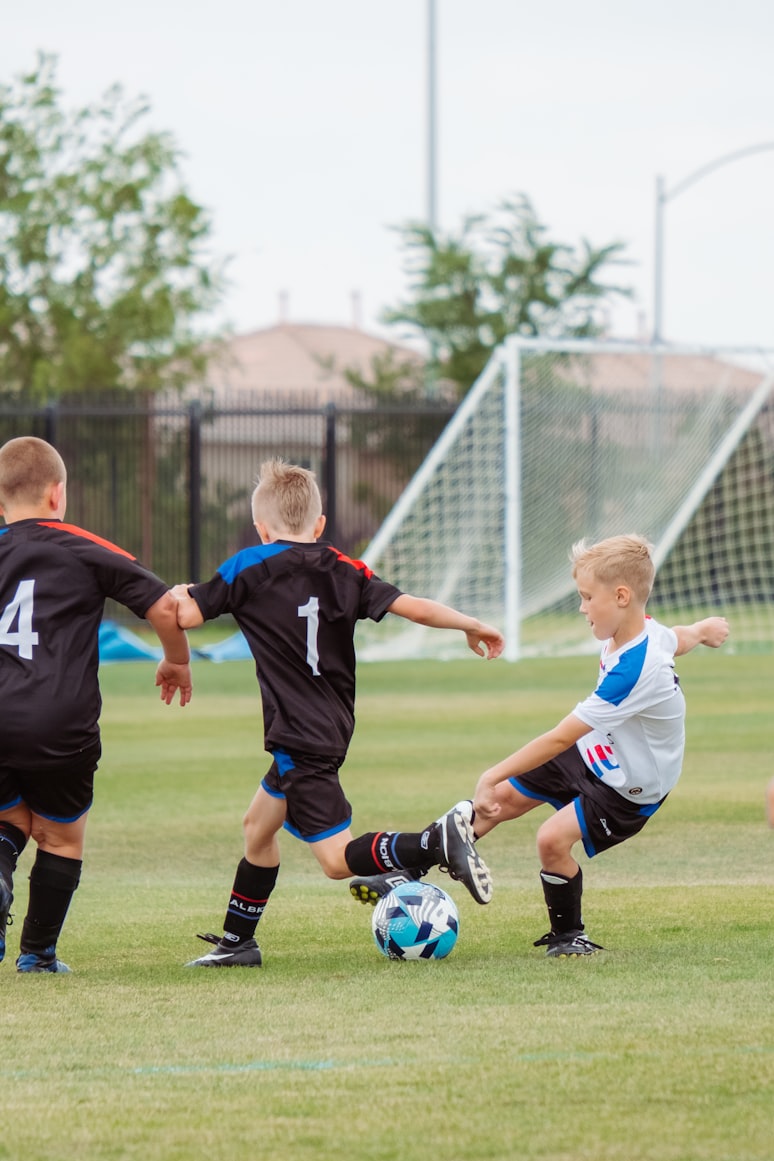

Consistent attendance represents one of the most persistent challenges facing grassroots coaches. Youth attendance football issues affect team cohesion, tactical development, and individual player progression. Understanding why players miss training and implementing systematic strategies to improve participation creates stronger, more successful squads whilst enhancing each player's development experience.
Understanding Youth Attendance Football Challenges
Poor attendance creates cascading problems throughout youth teams. When players miss sessions irregularly, coaches struggle to build tactical understanding, teammates cannot develop playing partnerships, and absent individuals fall behind their peers technically. Addressing attendance requires understanding both its developmental importance and the underlying causes of inconsistent participation.
Why Attendance Matters for Development
Skill progression requires consistent training exposure. Technical abilities develop through repetition over time, and sporadic attendance prevents players from accumulating the practice volume needed for improvement. Players attending irregularly often feel frustrated by their slower development compared to teammates training consistently, creating negative cycles where falling behind reduces motivation to attend.
Team cohesion and tactical understanding depend on regular participation. Understanding different football formations and implementing coordinated defensive or attacking patterns requires players to train together repeatedly. When squad composition varies significantly between sessions, coaches cannot progress tactical complexity, limiting the team's competitive capability.
Player confidence and belonging suffer when attendance becomes irregular. Players attending sporadically often feel disconnected from team culture, uncertain of their standing within the squad, and anxious about their technical gap relative to regular attendees. This psychological distance further reduces attendance motivation, requiring deliberate intervention to reverse.
Common Causes of Poor Attendance
Competing activities and priorities represent the most frequent attendance challenge in modern grassroots football. Young players face demands from academic work, other sports, music lessons, family commitments, and social activities. Parents must balance multiple children's schedules, creating logistical puzzles where football sometimes loses priority.
Lack of engagement or enjoyment directly impacts youth attendance football patterns. When players find training boring, excessively difficult, or socially uncomfortable, they avoid sessions through various excuses. This disengagement often masks deeper issues with coaching approach, team culture, or individual struggles requiring targeted intervention.
Parent schedules and logistics create practical barriers even for committed players. Working parents struggle to facilitate evening training, particularly when facilities are distant or multiple children need transportation simultaneously. Single-parent families face particularly acute challenges in coordinating attendance logistics.
Weather and seasonal factors affect outdoor youth football significantly. Winter training in cold, dark, wet conditions tests commitment severely, whilst summer holidays disrupt routine attendance patterns. Recognising these seasonal challenges enables proactive planning that maintains participation through difficult periods.
Creating Training Environments That Attract Players
The most effective attendance strategy involves making training sessions players genuinely want to attend rather than feel obligated to attend.
Making Sessions Enjoyable and Varied
Balancing structure with fun maintains engagement across different player motivations. Some players thrive on competitive drills and challenging scenarios, whilst others prioritise social interaction and recreational enjoyment. Effective sessions incorporate both elements, ensuring all personality types find value in attendance.
Age-appropriate activities acknowledge different developmental stages and attention capacities. Younger players need frequent activity changes, game-based learning, and limited static instruction, whilst older youth players handle more sophisticated technical work and tactical discussions. Understanding specific format requirements like 7-a-side formations helps coaches design age-appropriate training that maintains engagement.
Incorporating player interests demonstrates responsiveness that builds attendance motivation. When coaches occasionally adapt sessions around player requests - specific skills to develop, position-specific work, or tactical scenarios they've observed - players feel heard and valued, increasing their investment in regular participation.
Building Team Culture and Belonging
Social connections between players create attendance motivation independent of football itself. Players who consider teammates friends attend more consistently than those who view training purely as skill development. Creating opportunities for social interaction - before sessions, during breaks, occasional non-football team activities - builds relationships that sustain attendance through periods when football itself might not motivate.
Inclusive environments for all abilities prevent less skilled players from avoiding training through embarrassment or frustration. When coaching approaches emphasise individual improvement rather than absolute performance levels, and team culture celebrates effort over ability, all players feel comfortable attending regardless of their technical standing.
Team rituals and traditions develop belonging that promotes consistent youth attendance football. Pre-session routines, celebration habits, inside jokes, and team identity markers create psychological investment in the collective that motivates regular participation.
Communication Strategies for Better Attendance
Effective communication about attendance expectations, schedules, and tracking creates clarity that supports consistent participation.
Clear Expectation Setting
Attendance policies established from the season start create a shared understanding about participation standards. When coaches communicate expectations clearly - minimum attendance percentages, advance absence notification requirements, consequences for poor attendance - players and parents can make informed decisions about commitment levels they can realistically maintain.
Communicating importance without pressure requires careful balance. Coaches must convey that consistent attendance matters for development and team success whilst avoiding guilt-inducing language that creates anxiety or resentment. Framing attendance as an opportunity rather than an obligation maintains positive motivation.
Managing parent expectations involves explaining the developmental impacts of regular participation whilst acknowledging competing family priorities. Parents who understand how attendance affects their child's progress typically prioritise football more highly than those who view it as a casual recreational activity.
Effective Scheduling and Advance Notice
Consistent training times enable family routine integration that supports regular attendance. When sessions occur on the same day and time weekly, families can structure other commitments around football rather than constantly renegotiating schedules. This predictability significantly reduces attendance friction.
Season calendars distributed early allow families to plan around known football commitments. When parents receive fixture lists, training dates, and key events months ahead, they can arrange holidays, other activities, and work commitments to accommodate football participation.
Early fixture communication prevents last-minute attendance problems when matches conflict with family plans. Teams competing in organised football leagues benefit particularly from transparent scheduling that enables families to plan attendance proactively.
Digital Tools for Attendance Management
Team management apps streamline attendance tracking, making it visible to coaches, players, and parents. This transparency creates accountability whilst enabling early identification of declining attendance patterns requiring intervention.
Automated reminders and notifications reduce forgetfulness-based absences. Digital systems can send session reminders 24-48 hours ahead, prompting players and parents to confirm attendance or notify absences. This automation removes the communication burden from coaches whilst improving attendance reliability.
Transparency about availability helps coaches plan sessions appropriately. When coaches know expected attendance ahead of sessions, they can design activities suitable for numbers and adjust tactical work based on which players will attend.
Addressing Individual Attendance Issues
When specific players demonstrate poor attendance patterns, individual intervention often proves more effective than team-wide approaches.
Identifying At-Risk Players Early
Spotting attendance decline patterns enables proactive intervention before minor issues become entrenched habits. When coaches track attendance systematically through football coaching apps, they can identify concerning trends - gradually increasing absences, specific days consistently missed, or sudden drops after previous consistency.
Proactive outreach conversations demonstrate the coach's investment in individual players while identifying underlying attendance causes. Private discussions where coaches express concern about declining attendance, ask about challenges, and offer support often resolve issues that would otherwise escalate.
Understanding underlying causes distinguishes genuine barriers from motivation problems requiring different responses. Family logistics, academic pressures, injury concerns, social difficulties, or simple disengagement each demand tailored approaches rather than generic attendance lectures.
Flexible Approaches for Different Circumstances
Supporting players with genuine constraints maintains squad inclusion whilst acknowledging real-world complexities. Players facing temporary academic pressures, family situations, or injury recovery might need flexible attendance expectations during difficult periods, with clear plans for returning to regular participation.
Maintaining standards prevents attendance erosion through excessive individual accommodations. Whilst flexibility supports players facing genuine difficulties, overly permissive approaches enable other players to reduce commitment without consequence, gradually normalising poor attendance across the squad.
Alternative participation options help maintain player engagement during periods when regular attendance proves impossible. Video analysis of matches, tactical discussions outside training, or modified practice participation keep players connected to the team whilst managing their constraints.
Engaging Parents as Attendance Partners
Parents control youth player attendance practically, making their buy-in essential for consistent participation.
Helping Parents Understand Development Impact
Education about consistent participation helps parents prioritise football appropriately within competing demands. When parents recognise that sporadic attendance significantly impairs their child's development and team contribution, they typically adjust family schedules to enable more regular participation.
Long-term benefits versus short-term convenience framing helps parents make decisions supporting developmental objectives. Missing occasional training for genuinely important family events makes sense, but consistently prioritising minor conveniences over training creates patterns that limit potential.
Supporting family commitment involves acknowledging that football represents one priority among many, whilst helping families understand how consistent participation creates better experiences and outcomes for their children. This balanced perspective respects family autonomy whilst advocating for the importance of.
Making Attendance Logistically Easier
Carpooling coordination removes transportation barriers for families struggling with logistics. When coaches facilitate parent connections for ride-sharing, they reduce practical obstacles while building a parent community that supports broader team culture.
Facility location considerations affect attendance significantly. Training venues requiring long travel times or difficult access create barriers that reduce participation, particularly for families with limited transportation options or multiple children needing transport simultaneously.
Time slot optimisation balances various family constraints. Evening sessions work better for some families, weekend mornings for others. When possible, surveying parent preferences and selecting times maximising attendance potential benefits overall participation.
Attendance Policies and Fair Implementation
Clear policies consistently applied create equitable environments where attendance standards apply uniformly across squads.
Setting Reasonable Standards
Age-appropriate expectations acknowledge different developmental stages and commitment capabilities. Younger players might reasonably miss more sessions than older players, whilst elite development pathway players typically maintain higher attendance than purely recreational participants. Understanding what constitutes appropriate youth football commitment at each age helps set realistic standards.
Balancing commitment with flexibility prevents overly rigid policies that punish players for circumstances beyond their control, whilst maintaining standards that ensure adequate developmental exposure. Policies distinguishing between excused and unexcused absences, or setting minimum rather than perfect attendance requirements, achieve this balance.
Playing time and attendance connections create meaningful consequences that motivate consistent participation. When coaches transparently link match opportunities to training attendance - not punitively but recognising that players attending regularly develop better and understand tactics more completely - they create rational motivation for improved youth attendance football.
Consistent Policy Application
Fair treatment across squads requires applying attendance policies uniformly, regardless of player ability or status. When star players receive exemptions unavailable to others, team culture suffers, and attendance policies lose credibility.
Communicating consequences clearly before problems arise prevents surprised reactions when policies are enforced. Players and parents should understand attendance expectations and related consequences from the season start, creating informed consent rather than unexpected punishment.
Managing difficult conversations about attendance requires balancing empathy with standards maintenance. Coaches must approach these discussions supportively, understanding individual circumstances whilst maintaining expectations that serve broader team and player development interests.
Motivational Strategies for Sustained Attendance
Beyond removing barriers and setting expectations, positive motivation strategies enhance youth attendance football patterns.
Recognition and Reward Systems
Celebrating consistent attendance validates players who prioritise regular participation. Simple recognition - player of the week acknowledging excellent attendance alongside technical effort, certificates for full attendance periods, or verbal praise during sessions - reinforces that attendance matters and is noticed.
Avoiding over-commercialisation prevents shifting motivation from intrinsic to extrinsic through excessive material rewards. Small tokens of recognition work effectively, but substantial prizes risk creating attendance motivated purely by rewards rather than genuine engagement with football itself.
Intrinsic versus extrinsic motivation understanding guides effective recognition approaches. Ultimately, sustained attendance stems from players enjoying football, valuing team belonging, and wanting to improve - intrinsic factors that external rewards should complement rather than replace.
Goal Setting and Progress Tracking
Individual development plans that require consistent training exposure help players understand the connection to personal improvement. When players set technical or tactical goals with coaches and recognise that these objectives demand regular practice, they develop more committed attendance patterns.
Team objectives requiring participation create collective motivation supporting individual consistency. When squads pursue promotion, tournament qualification, or tactical sophistication requiring coordinated work, players recognise their attendance impacts teammates' success, adding social motivation to personal development incentives.
Visible progress demonstrations maintain motivation by showing players their improvement resulting from consistent attendance. Regular skill assessments, video analysis showing technical advancement, or tactical understanding improvements provide evidence that attendance investment yields tangible returns.
Conclusion
Encouraging consistent youth attendance football requires multi-faceted approaches addressing practical barriers, building engaging training environments, communicating effectively, and creating positive motivation. No single intervention solves attendance challenges universally, but systematic attention to these various factors typically yields significant improvements benefiting individual players and team collective development.
The most effective attendance strategies combine removing obstacles with building a genuine desire to participate. When training becomes something players want to attend because they enjoy sessions, value teammates, and recognise their improvement, consistent participation follows naturally rather than requiring constant encouragement or enforcement.
Sign up to access digital tools specifically designed for grassroots coaches managing attendance challenges, tracking participation patterns, and building the communication systems that support consistent youth football attendance throughout demanding seasons.
═══════════════════════════════════════════════════════════════