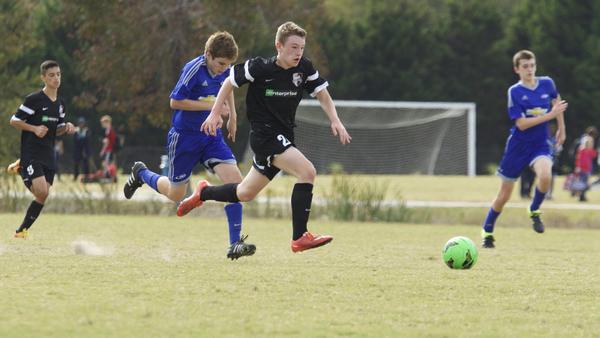

Strategic thinking separates reactive coaching from proactive leadership. Grassroots football managers face constant tactical puzzles - opponent adjustments, player absences, weather disruptions, and confidence crises. Coaches who develop strategic thinking anticipate these challenges before they materialise, adapting systems and preparing alternatives, while others scramble for solutions mid-match.
Research from the FA's Coach Development Programme shows that coaches who engage in structured strategic reflection improve player development outcomes by 34% compared to those who rely solely on instinct. Football strategic coaching transforms coaching from week-to-week survival into purposeful, long-term player and team development.
What Strategic Thinking Actually Means in Football Coaching
Beyond Match Tactics
Strategic thinking extends beyond match tactics. It encompasses season planning, squad development trajectories, training periodisation, and cultural building. A strategically-minded coach sees connections between September's passing drills and March's league positioning, between team selection philosophy and player retention rates.
The distinction matters practically. Tactical thinking addresses immediate problems: "Their winger keeps beating our full-back." Strategic thinking asks broader questions: "How do we develop defenders who can handle one-versus-one situations by season's end?"
Three Time Horizons
Football strategic coaching operates across three time horizons:
Immediate (match-to-match): Opponent analysis, team selection, in-game adjustments
Medium-term (monthly/seasonal): Technical development priorities, formation evolution, squad rotation patterns
Long-term (multi-season): Playing philosophy establishment, youth pathway development, club culture building
Most grassroots coaches operate almost entirely in the immediate horizon, reacting to weekend fixtures without connecting decisions to broader development goals. Football coaching apps help track these connections by documenting training focus, match performance, and developmental progress across seasons.
Building Pattern Recognition Through Match Analysis
Key Patterns to Track
Strategic thinking relies on pattern recognition - identifying recurring situations and understanding cause-and-effect relationships. Coaches develop this skill through systematic match observation, not just watching football but analysing it with specific questions.
Key patterns to track:
Defensive vulnerability moments: When does the team concede? Immediately after attacking corners? During transition phases? First ten minutes of halves?
Attacking effectiveness windows: Which game situations produce scoring chances? Set pieces? Wide overloads? Counter-attacks from defensive thirds?
Energy fluctuation cycles: When do players tire? How does this affect defensive shape or pressing intensity?
Psychological triggers: What events cause confidence drops or discipline lapses?
Systematic Documentation
Document these observations consistently. After twenty matches, patterns emerge that reveal strategic priorities. A team that concedes 60% of goals in the final fifteen minutes needs fitness work and late-game concentration protocols, not new defensive tactics.
One Under-14s manager tracked every goal his team conceded across a season, categorising by phase of play, time, and preceding events. The data revealed that 70% of goals followed turnovers in the attacking third - not a defensive organisation problem but a possession security issue requiring strategic training focus adjustment.
TeamStats enables coaches to log match events, tag patterns, and review accumulated data across seasons, transforming vague impressions into actionable strategic intelligence.
Developing Scenario Planning Skills
Pre-Match Framework
Strategic coaches prepare for multiple futures simultaneously. Before each match, they mentally rehearse three or four potential scenarios and pre-plan responses, reducing cognitive load during high-pressure moments.
Pre-match scenario planning framework:
Best-case scenario: Team dominates possession and creates chances. Strategic question: How do we maintain intensity and avoid complacency? Do we rotate players to manage minutes? When do we shift focus to developmental objectives?
Expected scenario: Competitive, balanced match. Strategic question: What tactical adjustments tilt momentum? Which substitutions change game dynamics? What set-piece variations exploit opponent weaknesses?
Worst-case scenario: Early goal conceded, opponent sits deep. Strategic question: What formation change creates overloads? Which players handle pressure best? How do we prevent frustration from affecting discipline?
Disruption scenario: Key player injured, weather turns, and referee inconsistency. Strategic question: Who steps into critical roles? What simplified tactics maintain organisation? How do we keep players mentally composed?
Benefits of Preparation
This preparation transforms reactive coaching into a strategic response. When scenarios unfold, coaches implement pre-considered solutions rather than improvising under stress.
A grassroots manager shared how scenario planning changed his team's resilience: "Previously, going a goal down caused panic - desperate changes that unsettled the team further. Now the 'chasing the game' formation is decided, and everyone knows exactly who enters and when. The players sense that calmness, and points have been recovered in eight matches this season."
Understanding Systems Thinking in Team Development
Five Interconnected Systems
Strategic coaches recognise that team performance emerges from interconnected systems, not isolated components. Improving passing accuracy requires technical training but also positional understanding, communication protocols, and confidence to attempt progressive passes.
The five interconnected systems in grassroots football:
Technical system: Individual skills - passing, receiving, shooting, defending
Tactical system: Positional play, formations, game model understanding
Physical system: Fitness, strength, injury prevention, recovery
Psychological system: Confidence, resilience, concentration, team cohesion
Organisational system: Training quality, communication clarity, player availability, equipment access
Strategic Problem Identification
Strategic thinking identifies leverage points - interventions that create cascading improvements across multiple systems. Implementing structured warm-ups improves the physical system (injury prevention), psychological system (routine and focus), and organisational system (efficient session starts).
One Under-16s coach noticed poor passing accuracy in matches despite strong training ground performance. Strategic analysis revealed the issue wasn't technical but psychological - players feared mistakes after early-season criticism from parents. Addressing the psychological system (implementing positive reinforcement protocols and FA Silent Support guidelines) improved passing statistics by 23% without additional technical training.
This systems perspective prevents coaches from endlessly drilling techniques when the real constraint lies elsewhere. Strategic thinking asks: "What's actually limiting performance?" rather than assuming more repetition solves everything.
Creating Decision-Making Frameworks
Example Framework Components
Strategic coaches develop consistent decision-making frameworks that align with their coaching philosophy. These frameworks provide clarity during complex situations and ensure decisions reinforce long-term objectives rather than just solving immediate problems.
Example framework for team selection decisions:
Development priority (40% weighting): Which selection maximises individual player growth opportunities?
Match competitiveness (30% weighting): Which lineup gives the best chance in this specific fixture?
Squad harmony (20% weighting): How does this selection affect team morale and player engagement?
Tactical experimentation (10% weighting): Can new systems or positions be tested without excessive risk?
This framework doesn't eliminate difficult decisions but makes them systematic and defensible. When a parent questions why their child didn't start, the coach can reference a consistent philosophy rather than appearing arbitrary.
Consistent Philosophy Applications
Different frameworks suit different contexts. A Sunday league team prioritising enjoyment might weigh squad harmony at 50%, whilst an academy-level youth team might emphasise development at 60%. The specific percentages matter less than having explicit criteria that guide consistent decision-making.
Strategic frameworks also help with:
Training focus allocation: Balancing technical, tactical, physical, and psychological elements
Substitution timing: When to prioritise development minutes versus competitive needs
Formation selection: Matching systems to opponent characteristics versus player development requirements
Feedback delivery: Balancing challenge and support in player conversations
Implementing Reflection Protocols
Post-Match Reflection Template
Strategic thinking requires structured reflection - deliberate analysis of what happened, why it happened, and what it means for future decisions. Without reflection protocols, coaches repeat mistakes or fail to identify successful patterns worth replicating.
Post-match reflection template:
Performance analysis (10 minutes): What were the three most significant moments? What patterns emerged? What surprised the team?
Decision evaluation (10 minutes): Which coaching decisions worked? Which didn't? What would change with hindsight?
Player development notes (10 minutes): Who showed growth? Who struggled? What does this reveal about training needs?
Strategic implications (10 minutes): What does this match teach about the system, squad, or development priorities? What adjustments should be considered?
Long-Term Insight Development
This 40-minute investment after each match compounds into profound strategic understanding across a season. Coaches who skip reflection rely on memory, which selectively retains dramatic moments whilst missing subtle patterns that reveal strategic truths.
One grassroots coach maintains a season-long reflection journal, reviewing it monthly to identify themes. This practice revealed that the team consistently performed better when training emphasised game-realistic scenarios rather than isolated drills - a strategic insight that reshaped the entire coaching approach.
Digital tools streamline reflection processes. Team management apps allow coaches to log match notes, track player performance metrics, and review historical data, making pattern identification systematic rather than relying on imperfect recall.
Developing Opponent Analysis Capabilities
Practical Analysis Framework
Strategic coaches study opponents not to obsess over their strengths but to identify tactical opportunities and prepare players mentally. Effective opponent analysis balances awareness with confidence, informing strategy without creating anxiety.
Practical opponent analysis for grassroots coaches:
Formation and shape: What system do they use? How does it change between attack and defence?
Key players: Who influences their play most? What happens when they're marked tightly or unavailable?
Strengths: What do they do well? Can their strengths be avoided or can they be forced into uncomfortable situations?
Vulnerabilities: Where do they struggle? Can these weaknesses be exploited with available players and tactics?
Set-piece tendencies: What are their corner and free-kick routines? Who takes them? Who attacks the ball?
Strategic Information Sharing
This analysis needn't be exhaustive. Spending two hours watching opponent footage provides diminishing returns for grassroots coaches. A focused 20-minute observation identifying three key insights often proves more valuable than overwhelming players with information.
Share opponent analysis strategically with players. Young players benefit from simple, confidence-building messages: "They struggle defending crosses, so we'll get wide and deliver quality balls into the box." Overloading players with tactical detail creates confusion and hesitation.
Building Long-Term Development Pathways
Multi-Year Player Progression
Strategic thinking extends beyond individual seasons, mapping multi-year player development journeys. Coaches who think strategically about progression help players develop systematically rather than randomly.
Example three-year development pathway for a central midfielder (ages 11-14):
Year 1 focus: Receiving under pressure, body orientation, basic positional discipline
Year 2 focus: Progressive passing, defensive transitions, reading game situations
Year 3 focus: Tempo control, tactical flexibility, leadership communication
This pathway informs training design, matches responsibilities, and provides feedback conversations. The coach knows that a Year 1 midfielder shouldn't be criticised for limited passing range - that's next year's development focus. Current priorities centre on receiving skills and positioning.
Team Development Journeys
Long-term thinking also applies to team development. A coach inheriting an Under-12s team might envision a three-year journey: Year 1 establishing possession principles, Year 2 adding positional rotations, Year 3 implementing a complete game model. Each season builds systematically on previous foundations.
Stakeholder Communication
This approach requires patience and stakeholder communication. Parents and club administrators often demand immediate results, but strategic coaches articulate their long-term vision, explaining how current work connects to future success. Documentation helps - showing development metrics across seasons demonstrates progress even when league position fluctuates.
Integrating Data Into Strategic Decisions
High-Value Data Points
Strategic coaches use data to validate intuitions, challenge assumptions, and identify blind spots. Grassroots football generates abundant data - match statistics, training attendance, fitness markers, player feedback - but most coaches don't systematically collect or analyse it.
High-value data points for football strategic coaching:
Training attendance patterns: Which players miss frequently? Does this correlate with match performance or development rates?
Match minutes distribution: Is the full squad being developed or is there reliance on a core group? How does this affect long-term player retention?
Goal timing analysis: When are goals scored and conceded? What does this reveal about fitness, concentration, or tactical patterns?
Positional versatility tracking: Which players can perform multiple roles? How does this affect tactical flexibility?
Development milestone achievement: Are players progressing against individual development plans? Where are bottlenecks occurring?
Data-Enhanced Judgment
Data doesn't replace coaching judgment but enhances it. One Under-15s manager tracked player availability across a season, discovering that Monday evening training had 65% attendance versus 90% for Wednesday sessions. Switching training nights improved session quality and team cohesion - a strategic decision impossible without data.
Modern platforms make data collection effortless. Rather than maintaining spreadsheets, coaches can use systems that automatically track attendance, log match events, and generate insights, freeing mental energy for strategic thinking rather than administrative tasks.
Cultivating Strategic Thinking in Player Leadership Groups
Player Development Methods
Strategic coaches develop strategic thinking in players, particularly older youth and adult teams. Player-leaders who think strategically make better on-field decisions, communicate more effectively, and extend coaching influence when managers can't intervene.
Developing player strategic thinking:
Involve players in match preparation: Ask captains or senior players to contribute opponent analysis insights or tactical suggestions
Delegate in-game problem-solving: Challenge players to identify and solve tactical problems during matches rather than waiting for coaching instructions.
Facilitate player-led reflection: After matches, ask players what they noticed, what worked, and what didn't, before sharing coaching observations.
Encourage questioning: Welcome players asking "why" about tactical decisions, formations, or training focus.
Life Skills Transfer
This approach transforms players from passive recipients of instruction into active participants in strategic thinking. A midfielder who understands why the team presses in certain zones makes better split-second decisions than one simply following instructions.
One grassroots coach implemented weekly "tactical talks" where players aged 16+ discussed football they'd watched, analysing tactics and considering applications to their own team. This practice dramatically improved players' game understanding and on-field communication quality.
Strategic player development also prepares young people for life beyond football, building analytical thinking, problem-solving, and leadership capabilities that transfer to education and careers.
Balancing Strategic Vision With Tactical Flexibility
Strategic-Tactical Balance
Strategic coaches maintain a clear long-term vision whilst remaining tactically flexible. This balance prevents rigid adherence to plans when circumstances demand adaptation, but also avoids reactive lurching between approaches that prevents sustained development.
The strategic-tactical balance:
Strategic consistency: Core principles, playing philosophy, and development priorities remain consistent across the season
Tactical flexibility: Formations, specific roles, match plans adapt to opponents, player availability, and evolving capabilities
A team might strategically commit to possession-based football (constant) whilst tactically adjusting between 4-3-3 and 3-4-3 formations depending on opponent characteristics (flexible). The philosophy stays consistent; the tactical expression varies.
Distinguishing Setbacks From Fundamental Problems
This balance requires distinguishing between temporary setbacks and fundamental problems. Three consecutive defeats might reflect fixture difficulty and key injuries (temporary) rather than flawed strategy (fundamental). Strategic coaches don't abandon their approach after short-term adversity but do reassess when evidence suggests deeper issues.
Conversely, tactical stubbornness despite mounting evidence wastes seasons. A coach persisting with high-pressing tactics when players lack the fitness or understanding to execute them effectively needs strategic reassessment, not just better motivation.
Creating Strategic Coaching Habits
Weekly Habit Framework
Strategic thinking becomes natural through deliberate habit formation. Coaches who integrate strategic reflection into weekly routines develop deeper insights than those who only think strategically during crises.
Weekly strategic coaching habits:
Sunday evening (30 minutes): Review weekend matches, document key observations, update player development notes
Monday evening (20 minutes): Analyse upcoming opponent, identify tactical opportunities, plan training focus
Wednesday evening (15 minutes): Review training week progress, adjust remaining sessions based on player response
Friday evening (20 minutes): Finalise match strategy, prepare scenario plans, visualise key moments
Habit Formation Support
These habits total 85 minutes weekly - significant but manageable for volunteer coaches. The consistency matters more than duration. Coaches who invest 20 focused minutes weekly outperform those who sporadically spend hours in unstructured analysis.
Habit formation also benefits from environmental design. Keep a coaching journal accessible, set phone reminders for reflection time, or join coaching discussion groups that encourage strategic thinking. These structures make strategic habits easier to maintain during busy periods.
Conclusion
Strategic thinking transforms grassroots football coaching from reactive problem-solving into purposeful, long-term development. Coaches who build pattern recognition through systematic analysis, prepare scenarios before matches, understand interconnected systems, and implement consistent decision-making frameworks create more resilient teams and accelerate player growth.
The football strategic coaching mindset requires initial time investment - establishing reflection protocols, documenting observations, analysing patterns - but compounds into profound advantages. Teams led by strategic coaches adapt faster, develop more completely, and maintain performance consistency because their coaching operates from accumulated insight rather than weekly improvisation.
Strategic thinking also makes coaching more sustainable and enjoyable. Coaches with clear frameworks and development pathways experience less stress, make decisions with greater confidence, and see tangible progress even during difficult periods. The work becomes purposeful rather than overwhelming.
For grassroots coaches balancing volunteer commitments with work and family responsibilities, strategic thinking might seem like an unaffordable luxury. In reality, it's the most efficient approach - preventing wasted training time, reducing match-day stress, and accelerating development so that every coaching hour generates maximum impact. Strategic coaches work smarter, not harder, because they've invested in understanding what actually drives team and player improvement.
═══════════════════════════════════════════════════════════════