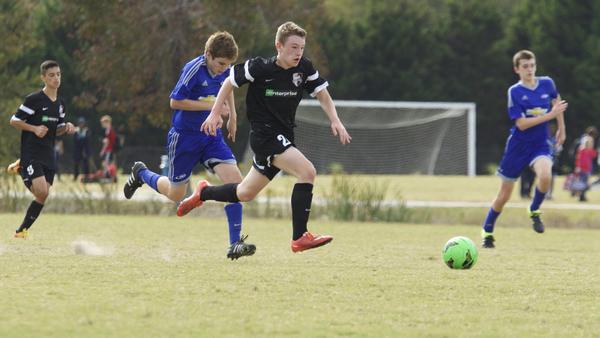

Developing young footballers extends far beyond technical skills and physical conditioning. One of the most valuable qualities coaches can nurture is leadership, and the most effective method for cultivating leadership in youth football is through tactical responsibility. When players understand their roles within team tactics and take ownership of their positional duties, they naturally develop the decision-making skills, confidence, and communication abilities that define great leaders.
Leadership football coaching requires a structured approach that connects tactical understanding with personal development. Rather than simply appointing captains or hoping leadership emerges naturally, coaches can deliberately create leadership opportunities through tactical responsibilities that challenge players to think, communicate, and organise their teammates.
Understanding Leadership in Youth Football
What Makes a Football Leader
Leadership in grassroots football manifests differently than at professional levels. Young leaders don't need to deliver inspirational speeches or display years of tactical wisdom. Instead, youth football leadership centres on communication, reliability, and supporting teammates through challenging moments.
Effective young leaders demonstrate several key qualities: they communicate clearly with teammates during matches, maintain focus when results aren't favourable, and understand their tactical responsibilities well enough to help others. These players often serve as extensions of the coach on the pitch, translating tactical instructions into action and encouraging peers to maintain positional discipline.
Importantly, leadership differs from captaincy. Whilst wearing the armband carries symbolic value, true leadership exists throughout the team. A goalkeeper organising the defensive line demonstrates leadership. A midfielder directing teammates into space shows leadership. A striker working tirelessly to press defenders exhibits leadership. Leadership football coaching recognises that multiple players can lead simultaneously through different tactical responsibilities.
The Role of Tactical Responsibility
Tactical responsibility creates the foundation for leadership development because it requires players to think beyond their individual performance. When a centre-back understands they must organise the defensive line, they develop spatial awareness and communication skills. When a holding midfielder knows they must shield the defence and initiate attacks, they learn decision-making under pressure.
This connection between tactics and leadership occurs because tactical formations inherently demand cooperation and communication. Players cannot execute tactics effectively without talking to teammates, recognising patterns of play, and making decisions that benefit the team rather than seeking personal glory.
Responsibility breeds confidence in young players. When coaches entrust players with specific tactical duties and support them through the learning process, players develop self-belief. This confidence extends beyond the pitch, helping young people navigate challenges in school, social situations, and future careers.
Assigning Tactical Roles to Develop Leaders
Positional Leadership Opportunities
Different positions offer distinct leadership development opportunities. Goalkeepers naturally develop organisational skills because they see the entire pitch and must direct defenders constantly. Many successful team captains emerged from goalkeeping positions precisely because the role demands constant communication and tactical awareness.
Centre-backs serve as communication hubs, organising defensive shape and initiating attacks from the back. The number six position in midfield offers exceptional leadership development opportunities, as players in this role must read the game defensively whilst distributing possession effectively to attacking teammates.
Full-backs develop leadership through their dual responsibilities in modern football tactics, balancing defensive duties with supporting attacks. Strikers lead through work rate, pressing defenders to win possession and creating space for teammates even when not directly involved in goal-scoring opportunities.
Age-Appropriate Tactical Responsibilities
Leadership football coaching must adapt to developmental stages. Under-9 to Under-11 players benefit from simple, clear responsibilities: "Stay close to your marker," "Pass to players in space," or "Talk to your teammates when you see danger." These foundational concepts introduce tactical awareness without overwhelming young minds.
Under-12 to Under-14 players can handle more complex responsibilities. Coaches can introduce 9-a-side tactics that require positional rotation, pressing triggers, and build-up patterns. Players at this age begin understanding how their actions affect teammates' positioning and can adjust behaviour based on match situations.
Under-15 players and older can embrace sophisticated tactical responsibilities, including reading opposition tactics, making in-game adjustments, and taking genuine ownership of team performance. At this stage, leadership football coaching involves players in tactical planning, encouraging them to suggest approaches and reflect critically on team performance.
Practical Coaching Methods for Leadership Development
Setting Clear Tactical Expectations
Effective leadership development begins with clarity. Before matches, coaches should explicitly define each player's tactical responsibilities: "You're responsible for marking their number ten when we don't have the ball," or "When we win possession, you need to provide a passing option between the lines." Clear expectations eliminate confusion and enable players to evaluate their own performance against specific criteria.
Training sessions must rehearse these responsibilities repeatedly. If a midfielder needs to drop between centre-backs during build-up play, coaches should create training exercises that practice this movement dozens of times. Repetition builds muscle memory, allowing tactical responsibilities to become instinctive rather than requiring conscious thought during matches.
Post-match reviews should focus on tactical execution and leadership moments, not just results. Did the captain communicate effectively when the team conceded? Did midfielders maintain their shape when under pressure? Celebrating tactical discipline reinforces the connection between responsibility and leadership growth.
Creating Leadership Through Small-Sided Games
Small-sided games serve as leadership laboratories. 7-a-side formations require every player to engage defensively and offensively, creating constant decision-making opportunities. In these condensed formats, communication becomes essential - players must talk constantly to maintain tactical discipline in tight spaces.
Coaches should rotate leadership responsibilities during training. One week, designate a defender to organise the team's pressing strategy. The following week, assign a midfielder to control tempo. This rotation ensures all players develop leadership skills rather than relying on one or two individuals.
Encourage vocal communication by making it a requirement rather than a suggestion. Set targets: "I want to hear ten pieces of coaching from teammates this half." Create scenarios where players must solve tactical problems collectively, developing the communication habits that transfer to match situations.
Using Team Management Tools
Modern team management apps support leadership development by clarifying responsibilities and tracking progress. Coaches can assign specific tactical roles to players through digital platforms, ensuring everyone understands their duties before matches. Parents can view these assignments, helping reinforce learning at home.
Digital tools enable coaches to document leadership moments - screenshots of excellent positioning, video clips of effective communication, or statistics showing tactical discipline. This evidence makes leadership development tangible rather than abstract, helping players recognise their growth over time.
Accountability increases when responsibilities are documented. Players can review their assigned duties before matches, reflect on execution afterwards, and set goals for improvement. This systematic approach transforms leadership development from hoping players improve naturally into a structured coaching process.
Building Communication Skills Through Tactics
Encouraging On-Pitch Communication
Leadership football coaching must explicitly teach communication skills. Many young players struggle to talk during matches, either from shyness or uncertainty about what to say. Coaches can provide specific phrases: "Time!" when a teammate has space, "Man on!" when pressure approaches, or "Switch!" when changing the point of attack.
Create a culture where positive feedback is expected. After good passes, players should acknowledge teammates. When mistakes occur, leaders respond with encouragement rather than criticism. This positive environment increases communication frequency because players feel safe speaking up.
Address mistakes constructively by focusing on learning rather than blame. When tactical breakdowns occur, gather players immediately and ask questions: "What did we need to do differently?" Encourage players to identify solutions themselves, developing critical thinking alongside tactical understanding.
Pre-Match and Post-Match Leadership
Extend leadership opportunities beyond playing time. Before matches, ask experienced players to lead warm-ups or explain tactical approaches to younger teammates. These moments build confidence in public speaking and reinforce tactical understanding.
Post-match, facilitate peer feedback sessions where players discuss what worked tactically and what needs improvement. Structure these discussions around specific questions: "How well did we maintain our defensive shape?" or "When did we create our best attacking opportunities?" Player-led analysis deepens tactical understanding whilst developing leadership skills.
Reflection on tactical decisions helps players connect actions to outcomes. Ask midfielders to explain why they chose certain passes, or defenders to describe their positioning decisions. This metacognitive approach builds the analytical skills that distinguish leaders from followers.
Common Challenges and Solutions
When Young Players Struggle With Responsibility
Not every player embraces tactical responsibility immediately. Some lack confidence, others struggle with tactical concepts, and a few simply prefer focusing on their individual game. Coaches must support these players patiently, adjusting responsibilities to match current abilities whilst maintaining growth expectations.
For players lacking confidence, start with simple, achievable responsibilities. Rather than asking a shy defender to organise the entire back line, begin with "Talk to the player next to you about marking runners." Celebrate small successes, gradually expanding responsibilities as confidence grows.
When players struggle with tactical concepts, invest additional training time. Use visual aids, simplified explanations, and repeated practice. Consider whether the responsibility is age-appropriate - pushing tactical complexity too early can discourage rather than develop players.
Some players resist responsibility because they prefer playing instinctively. Coaches must explain how tactical discipline actually enhances individual expression by creating clearer attacking opportunities and defensive security. Elite players combine tactical awareness with technical ability - one doesn't diminish the other.
Balancing Multiple Leaders
Teams function best with multiple leaders, but this can create challenges if roles aren't clearly defined. Avoid conflicts by assigning different leadership domains: one player leads defensive organisation, another coordinates midfield, a third drives attacking tempo. This distribution prevents leadership clashing whilst ensuring all areas of the pitch have vocal direction.
Recognise different leadership styles. Some players lead vocally, others through consistent example. Both approaches prove valuable - the quiet, hardworking player who never gives up demonstrates leadership as clearly as the captain issuing instructions.
Distribute responsibilities fairly across the squad. Rotate leadership opportunities so all players experience making decisions under pressure. This inclusive approach builds squad depth whilst preventing over-reliance on a few individuals.
Measuring Leadership Growth
Tracking Development Over Time
Leadership development isn't measured solely through wins and losses. Observable behaviours provide clearer indicators: frequency of communication during matches, ability to maintain tactical discipline when tired, willingness to encourage teammates after setbacks, and capacity to make good decisions under pressure.
Tactical understanding indicators include recognising when to press versus when to hold position, choosing appropriate passing options based on team shape, and adjusting individual play to support team tactics. Players demonstrating these skills show genuine leadership growth regardless of technical ability.
Team impact measurements reveal leadership influence. Do teammates perform better when playing alongside this individual? Does the team maintain better shape when this player is vocal? Does the squad show more resilience after this person addresses them? These questions identify true leaders beyond superficial metrics.
Celebrating Leadership Moments
Recognition reinforces positive behaviour. When players demonstrate leadership - organising teammates effectively, maintaining discipline when frustrated, or supporting a struggling peer - acknowledge it immediately. Public praise for leadership moments helps all players understand what coaches value.
Build confidence through positive reinforcement rather than only correcting errors. Young players develop faster when receiving four positive comments for every corrective one. This ratio doesn't mean ignoring mistakes, but contextualising them within broader success.
Leadership transcends goals and assists. Celebrate the defender who organised a clean sheet, the midfielder who controlled tempo effectively, or the striker whose pressing created turnovers. These tactical contributions demonstrate leadership as clearly as scoring goals.
Conclusion
Developing leadership through tactical responsibility represents one of the most valuable contributions coaches make to young players' lives. When players understand their roles within team tactics, take ownership of positional responsibilities, and learn to communicate effectively with teammates, they develop skills that extend far beyond football.
Leadership football coaching requires patience, clarity, and commitment to player development over immediate results. Coaches must create opportunities for tactical responsibility, support players through challenges, and celebrate growth in communication, decision-making, and tactical understanding.
The investment proves worthwhile. Players who develop leadership through tactical responsibility become confident young people capable of handling pressure, supporting others, and thinking critically about complex challenges. These qualities serve them throughout life, long after their playing careers end.
For coaches committed to developing young leaders, structured approaches make the difference. Clear tactical expectations, deliberate practice opportunities, and systematic tracking of progress transform leadership from an abstract quality into a coachable skill. Get started with tools that help document responsibilities, track development, and build the foundation for leadership growth throughout your squad.
═══════════════════════════════════════════════════════════════