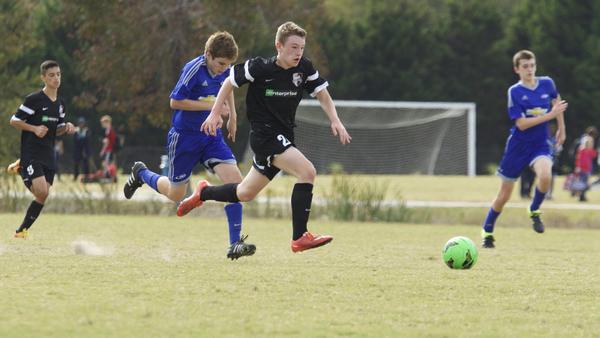

In grassroots football, effective communication between coaches and players can transform individual development and team performance. Yet many coaches struggle to convey feedback in ways that truly resonate with young athletes. Traditional text-heavy reports often fail to capture attention or inspire action, leaving players disengaged from their own progress. Visual football reports offer a powerful solution, transforming raw data into compelling, accessible feedback that motivates players and drives improvement.
TeamStats has revolutionised how grassroots football clubs communicate with players and parents through intuitive visual reporting tools. By combining performance data with engaging visual design, coaches can create reports that young players actually want to read, understand, and act upon.
Understanding Player Engagement Through Visual Communication
Why Visual Reports Matter in Grassroots Football
Young players process information differently from adults. Research consistently shows that visual content is processed 60,000 times faster than text, making visual football reports particularly effective for youth engagement. When players receive feedback through charts, graphs, and diagrams rather than dense paragraphs, they're more likely to understand their performance, remember key insights, and feel motivated to improve.
In grassroots football, where volunteer coaches juggle multiple responsibilities, clear visual communication also saves time. Instead of writing lengthy explanations, coaches can use visual elements to convey complex tactical concepts or performance trends at a glance. This efficiency benefits everyone - coaches spend less time on administration, whilst players receive timely, actionable feedback.
The accessibility of visual reports also supports inclusivity. Players with different learning styles, reading abilities, or language backgrounds can all engage with well-designed visual content. This democratisation of feedback ensures every player, regardless of their academic strengths, can understand how they're progressing on the pitch.
The Psychology Behind Effective Visual Feedback
The human brain is wired for visual processing. When players see their performance represented through colour-coded charts or progress bars, they form immediate emotional connections to the data. A rising line on a graph celebrating improved passing accuracy triggers pride and motivation. A heat map showing excellent defensive positioning builds confidence and tactical understanding.
Effective visual football reports leverage this psychology by presenting information in formats that resonate emotionally whilst remaining factually accurate. The key lies in balancing analytical rigour with emotional intelligence - celebrating strengths prominently whilst framing areas for improvement as opportunities rather than failures.
Visual feedback also creates stronger memory retention. Players who see their match statistics presented visually are more likely to remember specific moments and understand patterns in their play. This enhanced recall supports better training focus and more effective self-reflection between matches.
Essential Elements of Engaging Visual Football Reports
Key Performance Indicators to Visualise
Not all statistics deserve equal prominence in player reports. The most engaging visual football reports focus on metrics that matter to individual development whilst remaining age-appropriate. For young players, this might include:
Touches on the ball and involvement in play
Successful passes and pass completion percentage
Defensive actions such as tackles and interceptions
Attacking contributions, including shots and assists
Distance covered and work rate indicators
The art lies in selecting metrics that tell a meaningful story about each player's performance without overwhelming them with data. A midfielder might benefit from seeing their pass completion visualised alongside positioning heat maps, whilst a striker might engage more with shooting accuracy charts and chance creation statistics.
Using football coaching apps allows coaches to track these metrics systematically and generate visual reports automatically, ensuring consistency across all players whilst saving considerable administrative time.
Choosing the Right Visual Formats
Different data types demand different visual treatments. Match statistics often work best as bar charts or line graphs, allowing players to see trends over multiple matches. Positioning data translates beautifully into heat maps, showing where players spent time on the pitch and highlighting tactical awareness.
Progress trackers prove particularly motivating for youth players. A visual representation showing improvement over the season - whether in fitness metrics, technical skills, or tactical understanding - provides tangible evidence of development. These visuals work especially well when designed with clear milestones, celebrating achievements whilst maintaining focus on future goals.
Infographics serve excellently for tactical feedback. Instead of describing in text where a player should position themselves during defensive transitions, a simple diagram with colour-coded positioning guides communicates the concept instantly. This visual approach to tactical coaching accelerates learning and ensures clarity.
Colour Psychology in Report Design
Colour choices significantly impact how players perceive their reports. Green universally signals positive performance, making it ideal for highlighting strengths and improvements. Amber or orange effectively indicates areas needing attention without triggering negative emotions. Red should be used sparingly and only for critical issues requiring immediate focus.
Maintaining consistency in colour usage across all reports helps players quickly interpret their feedback. When passing accuracy is above 80% always appears in green, and players immediately understand their performance level without reading detailed explanations. This visual shorthand accelerates comprehension and reduces cognitive load.
Accessibility considerations matter tremendously in report design. Approximately 8% of males experience some form of colour vision deficiency, so relying solely on colour to convey meaning excludes these players. Effective reports combine colour with patterns, icons, or clear textual labels, ensuring all players can engage with the content regardless of how they perceive colour.
Designing Reports for Different Age Groups
Reports for Young Players (Under 10s)
Younger players need simplified visuals with minimal text. Their reports should emphasise fun and encouragement, using friendly graphics, large fonts, and straightforward metrics. A simple star rating system or emoji-based feedback often resonates better than numerical statistics at this age.
Focus on participation metrics rather than outcome measures. Charts showing how many times they touched the ball, their effort level, or their teamwork contributions prove more developmentally appropriate than goal tallies or win-loss records. The objective at this stage centres on building love for the game rather than competitive analysis.
Reports for Development Age Groups (U11-U16)
As players mature, reports can introduce more sophisticated analysis whilst maintaining accessibility. This age group benefits from seeing tactical concepts visualised - formation diagrams, passing networks, or defensive shape analysis help develop football intelligence alongside physical skills.
Balancing detail with clarity remains crucial. Whilst these players can handle more complex data, overwhelming them with statistics reduces engagement. The best approach introduces new metrics gradually, building analytical thinking skills over time. A team using a comprehensive team management app can track increasing sophistication in reports as players progress through age groups.
Reports for Senior Youth Players (U17+)
Older youth players preparing for adult football need reports that mirror professional standards. Detailed performance analysis, advanced metrics, and comprehensive tactical breakdowns help bridge the gap between youth and senior football. These reports can include comparative data, showing how individuals perform relative to teammates or league averages.
At this level, reports serve dual purposes - improving current performance whilst developing professional habits. Learning to interpret detailed performance data, understand advanced statistics, and respond constructively to analytical feedback prepares players for the demands of higher-level football.
Creating Action-Oriented Visual Reports
Transforming Data Into Actionable Insights
The most effective visual football reports don't just present numbers - they guide players toward specific improvements. After visualising passing accuracy data, include a clear visual indicator of target improvement. If defensive positioning needs adjustment, provide a simple tactical diagram showing desired positioning in key situations.
Action-oriented reports answer three questions visually: What happened? Why did it happen? What should happen next? A heat map might show limited right-side involvement (what), tactical instructions kept the player left-focused (why), and a new positional diagram suggests working both flanks (what next). This progression from observation to insight to action maximises report utility.
Celebrating strengths receives equal importance to highlighting development areas. Visual reports should dedicate prominent space to what players do well, using positive framing and encouraging language. This balanced approach maintains motivation whilst driving improvement.
Including Visual Training Recommendations
Static reports describing performance prove valuable, but dynamic reports suggesting specific training activities prove transformative. After identifying passing accuracy as a development priority, include visual drill suggestions - diagrams showing rondo setups, passing pattern exercises, or opposed practice scenarios.
These visual training recommendations bridge the gap between analysis and action. Players leave not just understanding what needs improvement, but knowing exactly how to address it. This practical approach demonstrates coaching expertise whilst empowering player autonomy in their development.
Technical Considerations for Report Design
Tools and Software for Visual Reports
Creating engaging visual football reports requires the right tools. Manual creation using presentation software proves time-consuming and inconsistent, whilst professional design software demands expertise that most volunteer coaches lack. Purpose-built platforms designed for grassroots football strike the ideal balance - offering professional-quality visual outputs without requiring design skills.
Digital platforms also enable automation, generating reports from match statistics with minimal manual input. This efficiency allows coaches to focus on analysis and coaching rather than report formatting. Mobile-friendly designs ensure players and parents can access reports anytime, anywhere, on the devices they already use daily.
Integration with broader team management systems creates additional value. When the same platform handles best football formations, match scheduling, and visual reporting, coaches benefit from unified data and streamlined workflows. This integration eliminates duplicate data entry whilst ensuring all reports draw from the same reliable source.
Ensuring Consistency Across Reports
Template-based approaches ensure all players receive reports with a consistent structure, visual style, and metric definitions. This consistency helps players understand their reports more quickly while building familiarity with performance tracking over time. When every report follows the same format, players focus on content rather than navigation.
Maintaining club branding in reports builds professional identity and strengthens team culture. Incorporating club colours, logos, and visual identity into reports creates pride and ownership. Players receiving professionally branded reports understand their club values quality in all aspects of the football experience.
Accessibility and Inclusivity
Designing for colour blindness requires thoughtful visual choices. Using patterns or textures alongside colours, ensuring sufficient contrast, and providing textual labels guarantees that all players can interpret reports. Online accessibility checkers help verify that designs work for players with various colour vision types.
Clear typography choices significantly impact readability. Sans-serif fonts work better on screens than serif alternatives. Sufficient font sizes, appropriate line spacing, and generous margins reduce eye strain and support players with dyslexia or other reading challenges. These considerations ensure reports serve all players effectively.
Multi-language considerations matter in diverse communities. Whilst visual elements transcend language barriers to some extent, key labels and explanations benefit from translation options. Digital platforms can offer multi-language support, ensuring all families engage with player development regardless of their English proficiency.
Distributing and Sharing Visual Reports Effectively
Digital Distribution Methods
Email delivery remains the most common distribution method, though its effectiveness depends on timing and presentation. Send reports within 48 hours of matches while memories remain fresh. Use clear subject lines indicating content ("Tom's Match Report - Week 5") and ensure reports render properly in email clients.
Mobile app notifications offer superior engagement, allowing instant distribution when reports become available. Push notifications prompt immediate viewing, whilst in-app access ensures reports remain accessible for future reference. This approach aligns with how modern families consume information - quickly, on mobile devices, integrated with other communication.
Secure sharing platforms protect player data whilst enabling convenient access. Password-protected links, parent-specific login credentials, or closed team networks ensure reports reach intended recipients without compromising privacy. This security proves especially important when reports include performance data or tactical information.
Timing and Frequency of Reports
Post-match reports delivered promptly maintain relevance and impact. However, overwhelming players with constant reporting reduces engagement. The optimal frequency balances regular feedback with report significance - weekly match reports, monthly development reviews, and comprehensive season-end summaries create a rhythm that maintains engagement without causing fatigue.
Different report types suit different purposes and timings. Quick post-match visual summaries satisfy immediate curiosity, whilst detailed monthly reviews allow deeper analysis. End-of-season reports celebrate progress and set goals for upcoming campaigns. This varied approach keeps reporting fresh and purposeful.
Encouraging Parent and Player Engagement
Visual reports shouldn't exist in isolation - they should spark conversations between players, parents, and coaches. Design reports with discussion prompts or reflection questions, encouraging families to review content together. This collaborative approach to player development strengthens the coach-player-parent triangle essential to grassroots football success.
Interactive elements, where platforms support them, boost engagement further. Allowing players to add comments, set personal goals, or mark favourite moments transforms passive reports into active development tools. This interactivity builds ownership and responsibility for personal improvement.
Common Mistakes to Avoid in Visual Report Design
Over-Complicating the Message
The temptation to include every available statistic undermines report effectiveness. Information overload confuses rather than enlightens, leaving players uncertain about priorities. The best visual football reports show restraint, highlighting key insights and presenting them with crystal clarity.
Keeping reports focused requires discipline. Before including any visual element, ask: "Does this help the player improve?" If the answer isn't clearly yes, remove it. Every chart, every graph, every diagram should serve a specific developmental purpose.
Neglecting the Emotional Impact
Numbers don't develop players - motivated, confident athletes develop themselves with coach guidance. Reports that emphasise shortcomings without celebrating strengths damage confidence and reduce motivation. The most effective visual reports dedicate equal or greater space to reinforcing what players do well, whilst framing improvements as exciting challenges rather than deficiencies.
Balancing criticism with encouragement requires careful visual design. Position positive feedback prominently - perhaps at report beginnings or in larger visual elements. Present development areas constructively, using language and visuals that convey possibility rather than failure. This emotional intelligence separates good reports from transformative ones.
Ignoring Mobile Viewing
With families increasingly accessing content on smartphones, reports must work perfectly on small screens. Desktop-optimised reports with tiny text or complex layouts become unusable on mobile devices, undermining their purpose entirely. Responsive design isn't optional - it's fundamental to modern reporting.
Touch-friendly elements matter on mobile devices. Buttons and interactive elements need sufficient size for finger navigation. Pinch-to-zoom functionality should enhance rather than be required for basic readability. Testing reports on actual mobile devices ensures quality across all viewing contexts.
Transform Your Player Communication Today
Designing engaging visual football reports represents a powerful opportunity to enhance player development, strengthen coach-player relationships, and elevate overall club professionalism. By transforming raw performance data into accessible, motivating visual feedback, coaches empower players to take ownership of their improvement journey.
The principles outlined here - from understanding visual psychology to implementing age-appropriate designs, from creating action-oriented insights to avoiding common pitfalls - provide a comprehensive framework for visual report excellence. Yet implementing these principles effectively requires the right tools and platforms.
Modern grassroots football demands modern communication methods. Sign up for TeamStats to access intuitive visual reporting tools designed specifically for youth football coaches. Transform how your players engage with feedback, celebrate their progress, and accelerate their development through the power of professional visual communication.
═══════════════════════════════════════════════════════════════