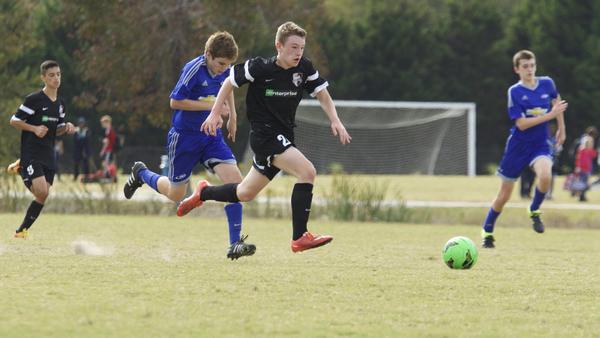

Every strong football team builds its identity through consistency, not just in match performances, but in how it trains. Modern coaching no longer depends solely on experience or intuition. Instead, clubs of all levels are embracing data feedback to fine-tune training design, track progress, and individualise player development.
This shift means football session planning has evolved from guesswork into a measurable science, whether you’re leading an under-12 squad or managing adult amateurs, combining real performance data with smart training design bridges the gap between analysis and action.
Platforms like TeamStats are transforming how coaches approach training preparation. By turning statistics into insights, they help ensure every drill, session, and microcycle contributes directly to improved match outcomes.
From Instinct to Insight: How Data Shapes Modern Coaching
For decades, coaches relied on visual observation, notebooks, and memory. That method still matters, but today’s tools provide a level of clarity that even seasoned coaches appreciate. Data feedback helps quantify what’s actually happening on the pitch rather than what we think we see.
Metrics such as passing accuracy, recovery runs, duels won, and sprint distance allow coaches to make football session planning both targeted and efficient. With structured tracking in TeamStats’ Team Management App, you can immediately connect match performance with upcoming training priorities.
When viewed collectively, these numbers reveal patterns, perhaps your midfielders tire after the 70th minute, or your defenders win fewer aerial duels under pressure. Data gives structure to instinct, and that combination forms the foundation of effective coaching.
Why Data Feedback Should Drive Your Training Design
Football coaching is about improving what happens between whistles. Data feedback creates an evidence-based roadmap for doing just that. By studying how your team performs across games and sessions, you can design practices that address weaknesses while reinforcing strengths.
Some of the most valuable advantages include:
Precision: Every training activity targets measurable needs.
Consistency: Each week’s session builds logically on previous outcomes.
Accountability: Players understand how their progress links directly to performance metrics.
Motivation: Measurable improvement keeps engagement high.
A well-structured football session planning model, supported by ongoing feedback, turns raw statistics into practical action plans.
Identifying Key Data Sources
Not all data carries equal weight. The trick lies in knowing which indicators actually influence outcomes and which serve only as background noise.
TeamStats integrates several useful categories of match and training data:
Performance Metrics: Possession, passing accuracy, tackles, interceptions, and goals scored.
Physical Load: Distance covered, sprint frequency, recovery time, and fatigue levels.
Technical Execution: Drills completed successfully, crossing accuracy, or finishing rates.
Tactical Metrics: Positional heatmaps, transitions, and pressing efficiency.
Each data type serves a purpose in football session planning. Together, they paint a full picture of how the team performs collectively and individually.
Step 1: Analyse Match Data Before Planning
The first step in designing an effective training session is to analyse match data objectively. Every fixture provides feedback that highlights what needs refinement.
Use TeamStats’ performance tracking tools to evaluate areas such as passing consistency, defensive positioning, and transition play. You might discover that your full-backs struggle to recover after overlapping runs or that midfielders lose duels late in games.
Once identified, these insights should guide next week’s training structure. Instead of running general drills, sessions become problem-solving exercises built directly from performance feedback.
Step 2: Set Clear, Measurable Objectives
Every training session should have specific goals tied to observable data. Avoid vague targets like “improve attacking.” Instead, define objectives like:
Increase successful final-third passes by 15%.
Reduce defensive errors leading to chances.
Improve shooting accuracy inside the penalty area.
These measurable outcomes ensure football session planning remains purposeful. When tracked through TeamStats, you’ll be able to compare subsequent performances and see tangible development over time.
Step 3: Create Drill Progressions Based on Data
Once the data has revealed performance gaps, build your sessions around drills designed to address them. TeamStats enables coaches to export key figures and cross-reference them against training notes, ensuring no element of improvement goes unmeasured.
For example:
Low pass completion rate: Focus on rondos, small-sided games, and positional awareness drills.
Poor defensive communication: Incorporate situational defending and pressing coordination.
Fatigue in final 15 minutes: Introduce endurance-based tactical conditioning.
When feedback and planning align, training becomes both efficient and enjoyable.
Using Data to Personalise Player Development
Team performance starts with individual improvement. Analysing player-level statistics helps you adapt training plans to suit varying abilities and physical conditions.
TeamStats allows filtering by player, showing trends in technical and physical data over time. If a striker’s shot conversion drops, sessions can shift towards composure and finishing under pressure. If a midfielder covers impressive ground but records fewer successful tackles, the focus becomes timing and body positioning.
Personalised football session planning ensures each player’s needs are recognised without disrupting the wider team programme.
Building Weekly Training Cycles Around Feedback
Consistent structure makes feedback actionable. Consider a repeating three-part weekly model:
Monday – Review and React
Study match data with staff and players.
Identify key focus areas.
Plan specific drills to address the week’s weaknesses.
Wednesday – Implement and Reinforce
Conduct targeted sessions focusing on tactical or technical issues.
Integrate competitive elements like mini-scrimmages for realism.
Friday – Refine and Prepare
Short, sharp sessions built around execution, transitions, and set-piece management.
Review data one final time before matchday.
This structured rhythm allows feedback to drive training week after week, making improvements consistent and measurable.
The Role of Technology in Modern Training
Data-driven coaching depends on reliable technology. TeamStats integrates tools that automatically calculate match statistics, generate graphs, and produce comparative reports. This turns analysis into a straightforward process rather than a post-match chore.
When paired with GPS trackers or smartphone-based logging, the platform provides the foundation for modern football session planning. Coaches can instantly identify overloads, inefficiencies, or improvements across players and teams.
Combining performance data with intuitive design means even grassroots clubs can work with the precision of professional academies.
Evaluating Training Effectiveness
Measuring training success is just as vital as designing the session itself. Every drill should lead to measurable progress. TeamStats’ performance comparison feature lets you compare pre-training and post-training results, for instance, if tackling efficiency increased or if shot accuracy improved by session five.
This feedback loop transforms the coaching process from reactive to proactive. Instead of repeating outdated routines, you refine every session based on real outcomes.
Linking Data Feedback to Tactical Adjustments
The tactical application of data goes beyond drills. When match data highlights consistent issues, such as slow build-up play or defensive vulnerability to wide attacks, these patterns can inform broader tactical adjustments.
If, for example, your midfield records high passing accuracy but low forward progression, that could indicate a need to tweak your formation or encourage more vertical play. Similarly, low pressing success may suggest fatigue or poor spacing, both of which can be corrected through targeted conditioning.
The integration of data into football session planning transforms training from repetition into evolution, adapting dynamically as your team develops.
Balancing Physical and Tactical Data
Football performance depends on both the mind and the body. A technically strong player who struggles physically won’t meet the demands of intense competition. Likewise, overtraining can lead to injuries or burnout.
Tracking physical load through TeamStats helps coaches strike the right balance between tactical learning and physical conditioning. Analysing metrics like sprint frequency and recovery time allows better session design, preventing overuse while maintaining sharpness.
For example, if data shows players consistently drop intensity after 60 minutes, recovery training and stamina-focused sessions should take priority.
Making Feedback Understandable for Players
Data means little if players can’t interpret it. Coaches should translate feedback into clear, relatable messages rather than overwhelming players with numbers.
Instead of presenting raw data tables, use visuals, something TeamStats provides through intuitive dashboards and performance charts. Explain how each figure connects to real football scenarios.
For example:
“Your passing accuracy improved to 85%, showing better decision-making under pressure.”
“We won 70% of defensive duels last match, that’s our best yet.”
When players see progress quantified and visualised, they engage more deeply with football session planning and its purpose.
Using TeamStats Across Multiple Teams
For clubs managing several age groups or squads, consistency in data collection is essential. TeamStats allows centralised management of all teams, ensuring that every coach works from the same framework and principles.
This is particularly valuable in an academic or development environment. Club directors can compare trends across teams, ensuring that coaching philosophies and training methods remain aligned.
Visit the Leagues Directory or explore club-specific examples like the Midland Junior Premier League to see how structured analysis supports growth and organisation at scale.
Integrating Feedback into Player Reviews
Data feedback isn’t just for coaches, it’s also a communication tool for players. Structured player reviews build accountability and trust.
When reviewing a player’s season using TeamStats:
Start with positive trends (e.g. improved passing ratios).
Highlight specific metrics tied to training progress.
Agree on clear targets for the next phase.
For instance, “Improve shot conversion by 10% through targeted finishing drills.” Linking personal objectives to session design keeps players motivated while making feedback constructive and measurable.
Promoting Collaboration Among Staff
Effective football session planning depends on shared understanding. When multiple coaches contribute to training, permission-based collaboration becomes essential.
Using TeamStats’ staff management features, clubs can assign specific responsibilities, one coach handling fitness data, another tracking set-piece performance, and a third managing match-day analytics.
This collaborative structure ensures consistency and prevents overlap. Each coach’s data feeds into a unified dashboard, giving the head coach a full view without micromanaging.
Combining Data with Tactical Education
While numbers drive clarity, understanding still depends on football intelligence. Integrating tactical learning into training ensures players apply data insights effectively.
After reviewing match data, consider holding short tactical walkthroughs using whiteboards or small-sided games. Reinforce data-based objectives practically, such as improving defensive shape or pressing triggers.
The TeamStats platform complements this approach by housing previous match analytics, giving visual context to theoretical lessons.
The Role of Communication and Feedback Loops
Communication transforms data from passive information into active improvement. A strong feedback loop connects coaches, players, and analytics seamlessly.
Collect Data: After matches or sessions, upload performance details.
Interpret: Use TeamStats’ visual tools to identify patterns.
Design: Build training plans addressing identified weaknesses.
Implement: Run targeted sessions that focus on those elements.
Reassess: Record results and measure progress.
Repeating this cycle ensures every week’s work is measurable and directly contributes to long-term development.
Encouraging Accountability and Transparency
Data feedback also strengthens team culture. When metrics are shared openly, accountability naturally follows. Players take ownership of their performance, and coaches base decisions on facts rather than opinions.
Transparency builds trust, both within the coaching staff and between the club and parents. It helps justify selection choices and fosters a professional atmosphere, even in community-level football.
Using Metrics for Long-Term Club Development
Over a season, patterns become clearer. By tracking cumulative trends, clubs can refine their entire coaching philosophy.
For instance:
Teams improving their possession metrics may benefit from introducing positional play systems.
Consistent fatigue indicators could inspire changes to training intensity cycles.
High card counts might prompt discipline-focused sessions.
When analysed seasonally, TeamStats’ reports reveal how far the club has progressed, or where it needs reinforcement. This long-term view ensures that football session planning remains aligned with the club’s mission.
Real-World Example: Structuring Sessions for Defensive Stability
Let’s say a club notices through TeamStats data that they’re conceding goals from set pieces. Instead of general defensive training, data feedback would encourage specific planning:
Session 1: Marking assignments and positioning drills.
Session 2: Reaction speed training for second-ball recovery.
Session 3: Tactical simulation with live corners and free-kicks.
By directly responding to identified weaknesses, the team maximises every training minute.
Supporting Grassroots Coaches with Accessible Data
Grassroots coaches often juggle limited resources and time. Data tools like TeamStats remove much of the admin burden while improving quality. Recording stats, reviewing matches, and planning sessions can all be done in one place, no spreadsheets required.
What Is Grassroots Football? guide highlights how accessible technology is redefining coaching at the community level. It’s no longer about budget; it’s about commitment to improvement.
Reinforcing Club-Wide Consistency
Consistency across age groups, teams, and coaching styles builds identity. Data ensures that all coaches speak the same language, even if their squads differ in age or ability.
By centralising football session planning within TeamStats, clubs can:
Standardise performance benchmarks.
Share drills, session templates, and feedback notes.
Maintain data archives for long-term analysis.
The result is a unified system that scales effortlessly from under-9s to senior teams.
Encouraging Development Through Competition Analysis
Knowing your own data is crucial, but understanding your opponents’ trends provides an extra advantage.
By comparing performance stats from leagues such as the Eastern Junior Alliance or Echo Junior Football League, coaches can anticipate styles, strengths, and weaknesses before matches.
This contextual preparation influences training focus for the week, whether that’s defending against wide play, preparing for set-piece-heavy teams, or reinforcing defensive transitions.
Integrating Statistical Review into Season Debriefs
End-of-season reviews should never rely on memory alone. TeamStats compiles full statistical summaries, performance averages, win ratios, player progression, and attendance figures that inform the next year’s strategy.
Use these reports to refine football session planning for pre-season preparation, ensuring no lessons are lost. The next cycle starts smarter and stronger.
Linking Performance Data with Fundraising and Visibility
Strong data tracking also enhances communication with sponsors and parents. Demonstrating measurable improvement boosts credibility, which can be highlighted in reports, newsletters, or funding applications.
The Grassroots Football Fundraising Ideas guide explains how clubs can use progress data to attract local business support. Transparent reporting shows that the club invests in meaningful development.
Future Trends: AI and Predictive Coaching
The next frontier in football data involves predictive analysis. Soon, systems like TeamStats will forecast player fatigue, performance trends, and injury risk before they happen.
These insights will make football session planning even more precise, allowing coaches to pre-empt performance dips and tailor workloads scientifically. Grassroots football stands to benefit just as much as professional teams once these technologies become mainstream.
Final Thoughts
Designing training sessions through data feedback isn’t about replacing coaching intuition, it’s about enhancing it. With the help of TeamStats, clubs of any size can base every drill, session, and season around evidence rather than guesswork.
Smart football session planning creates confident teams, empowered coaches, and visible improvement across every level of play. When numbers, tactics, and teamwork align, development becomes inevitable.
The game has always rewarded those who prepare well. Now, thanks to platforms like TeamStats, preparation has never been more informed.