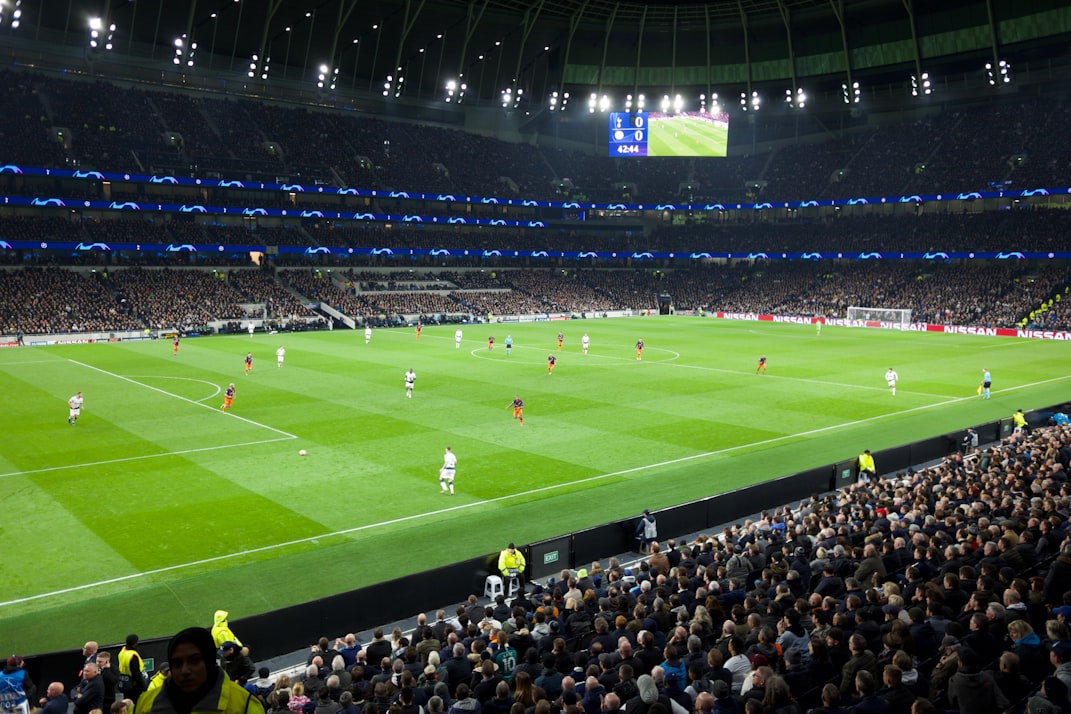

Grassroots football clubs across the UK generate more carbon emissions than most managers realise. A typical youth football club with 150 players produces approximately 15-20 tonnes of CO2 annually, equivalent to driving a car 75,000 miles. That figure accounts for travel to fixtures and training, facility energy use, kit production, and equipment purchases. For clubs serious about environmental responsibility, reducing this football carbon footprint isn't just about ticking boxes - it represents genuine cost savings and sets an example for young players about sustainable living.
The challenge for volunteer-run organisations lies in identifying practical changes that don't require significant investment or administrative burden. Many clubs assume environmental initiatives demand expensive infrastructure upgrades or complex monitoring systems. The reality proves far simpler. Strategic adjustments to how clubs organise fixtures, communicate with families, and manage facilities can reduce carbon emissions by 30-40% within a single season whilst simultaneously cutting operational costs.
Understanding Your Club's Emissions Profile
Before implementing changes, clubs need to understand where emissions originate. Research from the Football Association's sustainability programme shows that travel accounts for 60-70% of a grassroots club's carbon output. A youth team travelling to an away fixture 15 miles distant generates approximately 45kg of CO2 when families drive separately. Multiply that across 20 fixtures per season and multiple age groups, and transport quickly becomes the dominant factor.
Facility Energy Impact
Facility energy use represents the second-largest source, particularly for clubs with permanent clubhouses or those renting facilities with poor insulation. Floodlit training sessions on winter evenings can consume 30-40 kWh per session - roughly equivalent to running an average home for two days. Equipment and kit production contribute the remaining 15-20%, with synthetic football boots carrying a carbon footprint of approximately 14kg per pair and polyester kits around 5-7kg each.
The good news: clubs control or influence every element of this equation. Unlike professional organisations dealing with stadium infrastructure or international travel, grassroots football operates at a scale where individual actions create measurable impact.
Reducing Travel Emissions Through Smart Fixture Planning
Travel represents both the largest carbon source and the area where clubs can achieve the quickest wins. Coordinating with local leagues to schedule geographically clustered fixtures cuts unnecessary mileage significantly. The Midland Junior Premier League demonstrated this approach by grouping teams into regional zones, reducing average travel distances by 35% across a season. Clubs should advocate for similar arrangements with their County FA or league organisers.
Car-Sharing Programs
Car-sharing transforms emissions profiles dramatically. When four families share transport instead of taking separate vehicles, carbon output drops by 75% for that journey. The barrier isn't willingness - most parents support the concept - but coordination. Digital platforms like TeamStats enable managers to share fixture locations, identify families travelling from similar areas, and coordinate lifts through integrated messaging systems. Clubs implementing structured car-sharing programmes report participation rates of 60-70% once the administrative friction disappears.
Public Transport and Active Travel
Public transport deserves consideration for accessible fixtures, particularly in urban areas. A coach carrying 20 players and parents to an away fixture produces approximately 60% less CO2 per person than individual car journeys. The upfront cost appears higher, but clubs can offset this through reduced parking fees and the opportunity for team bonding during travel. Some forward-thinking clubs have negotiated group rates with local bus companies for regular routes.
Walking or cycling to training sessions eliminates emissions entirely whilst promoting player fitness. Clubs should audit how many families live within a mile of training venues - typically 40-50% in urban settings. Organised 'walk to training' groups, supervised by parent volunteers, make this practical even for younger age groups. Some leagues have introduced 'Green Travel Challenges' that awarded points to teams based on sustainable travel choices, resulting in 28% reductions in car journeys to training.
Optimising Facility Use and Energy Consumption
Floodlit training sessions consume substantial energy, but clubs can reduce this impact without compromising quality. LED floodlights use 50-60% less electricity than traditional halogen systems whilst providing superior illumination. Many County FAs offer grant funding for LED conversions, with payback periods typically under three years through reduced electricity costs. Clubs should investigate programmes through their local authority or the Football Foundation.
Training Schedule Optimization
Training schedules deserve scrutiny. Extending daylight training into autumn by starting sessions earlier reduces floodlight hours significantly. A club moving training from 6:30 pm to 5:30 pm in September and October saves approximately 30-40 hours of floodlight use annually per pitch. This requires coordination with schools and working parents, but football team management apps enable efficient polling of family availability to identify optimal times.
Clubhouse Efficiency
Clubhouse energy efficiency affects year-round costs. Simple measures deliver substantial returns: programmable thermostats prevent heating empty buildings, draught excluders reduce heat loss, and switching to renewable energy tariffs cuts carbon intensity by 80-90%. Some leagues have partnered with green energy suppliers to offer member clubs discounted renewable tariffs, with 65% of clubs switching within the first year.
Water Heating Systems
Water heating represents hidden consumption. Electric water heaters for showers consume 3-4 kWh per use. Installing timer systems ensures heaters only operate on match days, and low-flow shower heads reduce water heating requirements by 30-40% without affecting user experience. These modifications cost under £200 and typically pay for themselves within 18 months.
Sustainable Kit and Equipment Choices
Football kit production carries significant environmental costs, but clubs can make informed choices when addressing their football carbon footprint. Polyester jerseys require approximately 70% less energy to produce than cotton alternatives and last longer under repeated washing. Several UK manufacturers now offer recycled polyester options with 50-60% lower carbon footprints than virgin material. The price premium of 10-15% proves worthwhile when kits last multiple seasons.
Kit Longevity Focus
Kit longevity matters more than initial material choices. Clubs replacing kits annually for aesthetic reasons rather than necessity waste both money and resources. Establishing a two-year replacement cycle for playing kits and three years for training wear reduces kit-related emissions by 40-50%. Implementing proper care guidelines - washing at 30°C, air drying rather than tumble drying - extends kit life significantly.
Durable Equipment Purchasing
Equipment purchasing decisions compound over time. Choosing durable training gear over cheap alternatives that require frequent replacement reduces long-term carbon impact. A quality football costs £20-25 and lasts 2-3 seasons with proper care, whilst budget options at £10 often need replacing within months. The same principle applies to cones, bibs, and training equipment.
Second-Hand Markets
Second-hand equipment markets deserve exploration. Grassroots football generates substantial waste through serviceable equipment discarded when clubs fold or age groups transition. Establishing connections with other local clubs creates opportunities to acquire goals, training equipment, and even kit at minimal cost. Some County FAs operate equipment libraries where clubs can borrow specialist items needed occasionally rather than purchasing them.
Digital Administration and Communication
Paper-based administration contributes surprisingly large carbon footprints when clubs print fixture lists, team sheets, training schedules, and registration forms throughout a season. A club producing 200 sheets weekly across a 40-week season uses approximately 8,000 sheets - roughly 40kg of CO2 when accounting for paper production and printing energy. Digital communication eliminates this entirely whilst improving accessibility and reducing administrative burden.
Digital Platform Benefits
Team management platforms centralise fixture information, training schedules, and team selection in accessible digital formats. Parents receive automatic notifications about changes, eliminating the need for printed updates. Managers can share tactical information, match reports, and player development notes without generating paper waste. Clubs transitioning to fully digital administration report 90-95% reductions in printing costs alongside carbon savings.
Electronic Forms and Programs
Registration and consent forms represent another area ripe for digitisation. Electronic signature systems enable clubs to collect safeguarding consents, medical information, and emergency contacts without printing. This approach also improves data security and GDPR compliance whilst making information instantly accessible to coaches when needed.
Match day programmes carry nostalgic appeal but questionable environmental credentials. Clubs printing 100 programmes for home fixtures generate approximately 15kg of CO2 per season through paper production and printing. Digital alternatives accessed via QR codes provide richer content - including video highlights, player profiles, and live updates - without material waste. Progressive clubs have found that younger players and parents actually prefer digital formats.
Engaging Players and Families in Sustainability
Environmental initiatives succeed when clubs frame them as community values rather than administrative mandates. Young players respond enthusiastically to sustainability challenges when presented as team goals. Some leagues have introduced 'Green Goal' competitions where teams earn points for sustainable practices - car-sharing, litter collection after matches, and equipment recycling. Participation exceeded 80% because the initiative connected environmental action to team identity.
Education and Communication
Education creates a lasting impact beyond the club setting. Brief discussions during training sessions about why the club has implemented car-sharing or chosen recycled kits help players understand environmental responsibility. This needn't involve lengthy presentations - three-minute conversations before training begins plant seeds that influence behaviour at home and school.
Parent involvement proves crucial for travel-related initiatives. Clear communication about the club's environmental goals and specific actions families can take - sharing lifts, walking to training, bringing reusable water bottles - generates support. Clubs should quantify achievements: "Our car-sharing programme saved 2.5 tonnes of CO2 last season - equivalent to planting 115 trees." Concrete numbers make abstract concepts tangible.
Recognition Systems
Recognition systems reinforce positive behaviours. Monthly awards for 'greenest team' based on sustainable travel choices or lowest equipment waste create friendly competition. This approach works particularly well with youth teams, where players take pride in contributing to team achievements beyond match results.
Measuring and Communicating Progress
Tracking carbon reduction requires baseline measurements and consistent monitoring when managing a football carbon footprint. Clubs needn't invest in complex carbon accounting systems - simple spreadsheets tracking key metrics suffice. Recording total miles travelled to fixtures, floodlight hours used, and paper consumption provides adequate data to identify trends and measure improvement. Several County FAs offer free carbon calculator tools designed specifically for grassroots football.
Annual Reporting
Annual reporting demonstrates commitment and maintains momentum. Sharing progress at AGMs or through club newsletters - "We reduced travel emissions by 35% this season through car-sharing" - validates volunteer efforts and encourages continued participation. Transparency about challenges alongside successes maintains credibility.
External Recognition
External recognition provides additional motivation. The FA's sustainability awards programme acknowledges clubs demonstrating environmental leadership. Several grassroots football leagues have introduced sustainability criteria into charter standard assessments, making environmental performance a factor in club development pathways.
Cost Savings Connection
Connecting sustainability efforts to cost savings strengthens the business case. Clubs should calculate financial benefits alongside carbon reductions: "LED floodlights cut our electricity costs by £450 annually whilst reducing emissions by 3 tonnes." When environmental responsibility also improves financial sustainability through fundraising efficiency, the case becomes compelling for even the most budget-conscious clubs.
Practical Implementation Timeline
Clubs shouldn't attempt simultaneous implementation of all sustainability measures - this overwhelms volunteers and risks initiative fatigue. A phased approach over 12-18 months proves more effective.
Phase One: Quick Wins
Start with high-impact, low-cost changes: digital communication, car-sharing coordination, and training schedule optimisation. These require minimal investment whilst delivering measurable results within weeks.
Phase Two: Facility Improvements
Quarter two should focus on facility improvements: LED lighting assessments, heating controls, and renewable energy tariff comparisons. These involve longer decision-making processes and potentially capital investment, but grants and financing options make them accessible to most clubs. The energy savings typically offset costs within 2-3 years.
Phase Three: Procurement Policies
Equipment and kit decisions naturally align with replacement cycles. Rather than immediate changes, clubs should establish sustainable procurement policies that guide future purchases. When kit requires replacement, specify recycled materials. When equipment wears out, prioritise durability over initial cost. This approach avoids wasteful premature replacement whilst ensuring long-term sustainability.
Year Two: Consolidation
Year two should emphasise consolidation and refinement. Review what worked, adjust what didn't, and expand successful initiatives. Clubs that reach this stage often find sustainability practices have become embedded in club culture rather than requiring conscious effort.
Conclusion
Reducing a football carbon footprint doesn't require revolutionary changes or substantial investment. The combination of smarter travel coordination, facility efficiency improvements, sustainable equipment choices, and digital administration can cut emissions by 30-40% within a single season. These changes simultaneously reduce operational costs, improve organisation, and teach young players valuable lessons about environmental responsibility.
The clubs making the greatest progress share common characteristics: they start with high-impact changes rather than attempting everything simultaneously, they engage players and families in the journey, and they measure progress to maintain momentum. Most importantly, they recognise that sustainability initiatives needn't conflict with football development - properly implemented, they enhance club operations whilst reducing environmental impact.
For volunteer managers already stretched thin, the prospect of adding sustainability to existing responsibilities might seem daunting. However, modern tools designed for grassroots football make implementation straightforward. Digital platforms that coordinate car-sharing, centralise communication, and eliminate paper administration address both environmental and organisational challenges simultaneously through football coaching apps that streamline operations. The question isn't whether clubs can afford to prioritise sustainability - it's whether they can afford not to, given the cost savings and community benefits these changes deliver.
═══════════════════════════════════════════════════════════════