Goalkeepers face unique physical demands and injury risks that require specialised training approaches. Whilst outfield players develop through running, passing, and shooting drills, goalkeepers repeatedly dive, land, and absorb shot impacts during sessions. Understanding goalkeeper safety football principles ensures coaches protect these vital players whilst developing the technical skills their position demands. Proper safety protocols prevent common injuries, build sustainable technique, and create confidence that allows young goalkeepers to thrive.
Understanding Goalkeeper-Specific Injury Risks
Common Injuries in Goalkeeping
Hand and wrist injuries represent the most frequent goalkeeper complaints. Finger dislocations, sprains, and fractures occur when balls strike hands at awkward angles or fingers catch in the ground during dives. Thumb injuries prove particularly problematic, often requiring extended recovery periods that sideline goalkeepers for weeks.
Shoulder injuries develop from repetitive diving, distribution throws, and awkward landings. Rotator cuff strains, shoulder dislocations, and chronic impingement affect goalkeepers who perform high volumes of diving without proper technique progression or recovery management. These injuries often result from inadequate strength preparation or diving on surfaces too hard for developing bodies.
Lower body impact injuries, including hip pointers, bruised knees, and ankle sprains, occur during diving saves and collision situations. Without proper padding and landing technique, goalkeepers absorb significant forces through bony prominences, causing painful contusions that affect subsequent performance and increase psychological hesitation.
Overuse injuries from repetitive movements plague goalkeepers who train excessive volumes without variation. Tennis elbow from distribution throws, patellar tendonitis from jumping, and lower back pain from repeated bending characterise these gradual-onset conditions. Early recognition and load management prevent these niggles from becoming chronic issues requiring extended rest.
Why Goalkeepers Need Specialised Safety Protocols
The high-impact nature of goalkeeping distinguishes it from outfield positions. Whilst field players might experience occasional falls, goalkeepers intentionally launch themselves at the ground repeatedly during sessions. This fundamental difference necessitates specific goalkeeper safety football considerations, including surface selection, protective equipment, and technique progression that outfield training rarely requires.
Repetitive strain patterns develop because goalkeeper training focuses on limited movement types performed repeatedly. Unlike outfield players who vary activities throughout sessions, goalkeepers might perform 50+ diving repetitions, creating cumulative stress on specific joints and soft tissues. Managing this repetition through volume limits and recovery periods prevents overuse injuries.
Isolation during training creates unique safety challenges. Goalkeepers often work separately from team sessions with specialist coaches or alone. This isolation means injuries might not receive immediate attention, and technique flaws persist unnoticed without qualified observation. Ensuring appropriate supervision during goalkeeper-specific work proves essential for safety.
Equipment-related risks, including goal posts, nets, and training apparatus, pose collision hazards. Goalkeepers work in confined spaces near fixed structures that create injury potential. Understanding team management apps helps clubs systematically track equipment maintenance schedules, ensuring safe training environments for all positions.
Essential Safety Equipment for Goalkeepers
Gloves and Hand Protection
Proper glove selection by age significantly influences hand injury prevention. Younger goalkeepers (Under-7 to Under-11) need gloves with finger protection features - internal spines or external supports that prevent hyperextension during awkward ball contacts. Adult-style gloves without protection expose developing hands to unnecessary injury risk.
Fit matters tremendously for safety and performance. Gloves that are too large allow excessive finger movement inside the glove, creating hyperextension risk and reducing control. Too-small gloves restrict blood flow and limit finger flexibility. Proper fitting leaves approximately 0.5cm space at fingertips when hands are flat, allowing natural movement without excess material.
Maintenance and replacement directly affect protective capacity. Worn palm padding loses shock absorption, whilst damaged finger spines provide inadequate support. Establishing replacement schedules based on usage frequency rather than cosmetic appearance ensures continued protection. Gloves used for training and matches simultaneously need replacing every 2-3 months during active seasons.
Palm padding considerations balance protection with feel. Thicker padding absorbs impacts better but reduces ball sensitivity, crucial for catching and handling. Age-appropriate padding selection favours more protection for younger goalkeepers, developing catching confidence, and gradually transitioning toward thinner palms as technical proficiency increases.
Protective Padding and Gear
Padded shorts and hip protection prevent painful bruising during diving practice. Purpose-designed goalkeeper shorts incorporate foam padding over hip bones, tailbones, and upper thighs. This padding dramatically reduces impact pain, allowing goalkeepers to train diving technique confidently without fear of injury that creates hesitation and poor mechanics.
Elbow and knee padding offer additional protection during diving sequences. Whilst not universally necessary, padding benefits younger goalkeepers learning diving progressions or those training on harder surfaces. Lightweight compression sleeves with protective panels provide cushioning without restricting movement or feeling bulky.
Appropriate footwear affects both performance and safety. Goalkeeper-specific boots often feature reinforced toe boxes for powerful kicking and additional ankle support for lateral movements. Ensuring proper fit and appropriate stud configuration for surface conditions prevents ankle injuries and provides stable platforms for explosive movements.
Optional protective equipment, including compression clothing, mouthguards, and impact-resistant base layers, suits individual preferences and risk profiles. Whilst not mandatory, these items provide additional protection layers for goalkeepers with injury histories or those working in high-intensity training environments.
Safe Diving and Landing Progressions
Teaching Proper Diving Technique
Starting position fundamentals establish safe diving mechanics from the outset. Goalkeepers should begin dives from balanced athletic stances with weight slightly forward, enabling controlled launches rather than unbalanced falling. This ready position allows powerful leg drives that propel bodies horizontally whilst maintaining control throughout the diving sequence.
Side-on approach rather than diving head-first protects vulnerable body parts. Proper diving technique initiates with the leg closest to the ball driving powerfully to propel the body sideways. This approach positions the shoulder and hip to absorb landing forces rather than exposed wrists, elbows, or knees receiving direct impacts.
Arm positioning and hand placement determine catch security and landing safety. Hands should reach toward the ball with fingers spread and palms facing forward, creating the largest catching surface whilst protecting fingers from hyperextension. The top hand guides the ball whilst the bottom hand provides support, ensuring controlled catches rather than attempted one-handed grabs that increase injury risk.
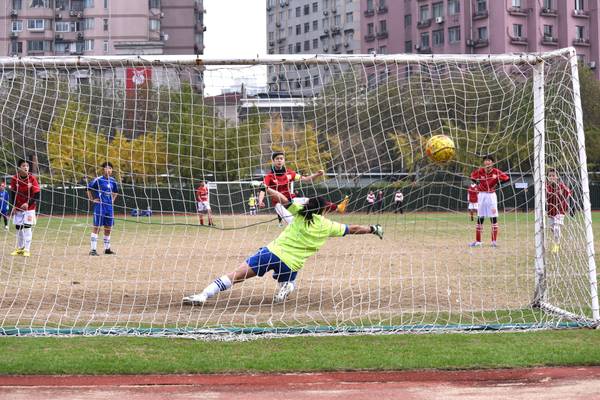
Landing sequence and body positioning complete safe diving mechanics. Goalkeepers should land first on the side of one leg, then the hip, then the shoulder in sequential order, distributing impact forces across the body rather than concentrating stress on single points. Proper landing technique prevents shoulder injuries whilst allowing quick recovery for potential second saves.
Progressive Surface Training
Starting on soft surfaces builds diving confidence without fear. Initial diving practice should occur on crash mats, foam pits, or heavily cushioned surfaces that eliminate landing impact completely. This environment allows focus on technical mechanics without pain concerns that create hesitant, self-protective movements, compromising proper form.
Gradual progression to grass follows once the technique becomes consistent. Transitioning from mats to thick grass with underlying cushioning, then to standard grass surfaces over several weeks, allows physical adaptation whilst maintaining technical quality. Rushing this progression causes regression to poor mechanics as pain avoidance overrides learned patterns.
Weather and pitch considerations affect training surface safety significantly. Frozen, extremely hard, or waterlogged pitches increase injury risk and should prompt alternative training locations or modified sessions. Goalkeeper safety football protocols require flexibility to adapt training environments based on conditions rather than rigidly adhering to planned sessions when conditions become hazardous.
Building confidence safely through progressive difficulty ensures sustainable technical development. Starting with stationary balls, progressing to slow-rolling balls, then increasing speed gradually over multiple sessions, creates success-based learning. Premature advancement to challenging saves before mastering fundamentals increases injury risk whilst undermining confidence essential for position success.
Shot-Stopping Safety Protocols
Hand Positioning for Different Shot Types
Low shots and ground coverage require specific hand positioning, preventing finger injuries. Hands should form barriers with palms facing the ball, fingers pointing downward, and pinkies touching the ground. This "scoop" position protects finger joints from hyperextension if balls skip or bounce unexpectedly, whilst maximising coverage area.
Chest-height saves utilise the "W" hand position, with thumbs nearly touching behind the ball and fingers spread around its sides. This positioning creates a secure catching surface whilst distributing impact forces across multiple fingers rather than isolated joints. Younger goalkeepers often struggle with thumb positioning, requiring patient correction and age-appropriate ball sizes that small hands can control.
High balls and catching technique demand timing and body positioning as much as hand placement. Teaching goalkeepers to position their bodies behind flight paths provides backup if catches fail, preventing balls from passing beyond them. Understanding 7-a-side formations helps goalkeepers recognise defensive support positioning, reducing panic during aerial challenges.
One-handed saves and parrying represent last-resort techniques requiring careful instruction. These saves suit situations where two-handed catches prove impossible due to distance or awkward positioning. However, one-handed contact increases finger injury risk, making proper technique and situation selection crucial for safety.
Managing High-Velocity Shots
Age-appropriate shot speeds protect developing hands from excessive impact forces. Younger goalkeepers should face shots from reduced distances or deliberately controlled speeds that hands can absorb comfortably. Progressive exposure to harder shots over multiple seasons allows physical adaptation whilst building shot-stopping confidence and technique.
Distance regulations during training prevent unnecessary exposure to dangerous shot velocities. Minimum distances of 10-12 metres for Under-11 groups and 15-18 metres for older youth players ensure shot speeds remain manageable. Violating these distances for dramatic training effects risks serious hand injuries that sideline goalkeepers unnecessarily.
Building shot-stopping resilience gradually through structured progression prevents injury whilst developing courage. Starting with foam balls, progressing to size-appropriate standard balls, and carefully managing shot velocity creates positive experiences that build confidence. Traumatic early experiences with excessive shot speeds create lasting hesitation, affecting entire careers.
Protecting against finger injuries requires teaching proper hand strengthening exercises and catching progressions. Finger flexibility work, grip strengthening, and progressive catching challenges prepare hands for goalkeeping demands. These preparatory exercises embedded into warm-ups reduce injury rates significantly compared to unprepared hands facing full-speed shots.
Distribution Training Without Injury Risk
Safe Throwing Mechanics
Overarm throw technique mirrors baseball pitching mechanics, requiring similar warm-up protocols and volume management. Proper technique involves rotating the torso, stepping toward the target, and following through naturally rather than forcing arm-only throws that strain elbows and shoulders. Young goalkeepers need technical instruction to prevent poor habits causing overuse injuries.
Underarm bowling technique provides safer alternatives for younger goalkeepers lacking shoulder strength for overarm throws. This technique generates adequate distance whilst dramatically reducing shoulder stress. Progressive transition to overarm throws occurs as physical maturity provides the necessary strength and coordination.
Warm-up requirements for distribution prevent arm injuries just as pre-session routines protect whole bodies. Specific arm circles, progressive throwing distances, and graduated intensity prepare shoulders, elbows, and wrists for distribution demands. Rushing distribution practice without warming creates injury vulnerability.
Volume management prevents overuse injuries from excessive throwing repetitions. Limiting throw attempts to 15-20 per session for younger goalkeepers and 30-40 for older players balances skill development with joint protection. Throwing represents unnatural movement patterns for human anatomy, requiring conservative volume limits regardless of perceived fitness.
Kicking Technique and Load Management
Goal kicks and clearances demand proper technique, preventing hip and lower back injuries. Teaching goalkeepers to approach balls at slight angles rather than straight-on, plant supporting feet alongside rather than behind balls, and follow through naturally reduces joint stress. Poor kicking mechanics create immediate injury risk and chronic pain over time.
Drop kicks and volleys require additional coordination and timing instruction. These advanced distribution techniques suit older youth goalkeepers who have mastered basic goal kicks. Premature introduction before developing necessary coordination increases injury risk whilst generating frustration from poor execution.
Progressive distance training prevents overexertion injuries. Young goalkeepers should not attempt full-pitch clearances until they possess the physical capacity for these efforts. Gradually extending kick distances over seasons as strength develops prevents excessive strain on growing hips, groin, and lower backs.
Preventing hip and groin injuries requires managing total kicking volume across training and matches combined. Limiting combined goal kicks to 30-40 attempts weekly for youth goalkeepers protects vulnerable growth plates and developing soft tissues. Excessive kicking volume represents the primary cause of chronic groin pain affecting young goalkeepers.
One-on-One Situations and Collision Safety
Positioning and Timing to Reduce Contact
Reading attacker intentions allows goalkeepers to position optimally, minimising collision necessity. Teaching goalkeepers to observe attacker touches, running angles, and body language develops anticipation that enables proactive positioning rather than desperate last-moment reactions, creating injury risk.
Making yourself big safely involves spreading arms and legs wide whilst maintaining balance and retreat capacity. This technique forces attackers into difficult finishing angles without committing goalkeepers to vulnerable ground positions. Sustainable goalkeeper safety football coaching emphasises intelligent positioning over reckless bravery.
Deciding when to stay on feet versus diving depends on distance, angle, and attacking speed. Generally, staying upright suits one-on-ones within six metres, maintaining retreat options and covering multiple potential shots. Diving becomes appropriate at greater distances where committing to anticipated shot directions offers the best save opportunities.
Retreat angles and escape routes form essential one-on-one strategies. Teaching goalkeepers to retreat along angles slightly favouring the near post maintains position between ball and goal whilst providing lateral movement options. These retreat patterns reduce head-on collisions with approaching attackers significantly compared to stationary confrontational positioning.
Contact Situations and Self-Protection
Brace positioning protects vital areas during unavoidable collisions. Goalkeepers should tuck their chins toward their chests, protecting necks, bring elbows close to their bodies, protecting ribs, and maintain tight body positions, presenting minimal collision surface area. This defensive posture significantly reduces injury severity when contact occurs.
Head protection awareness proves crucial given collision injury consequences. Teaching goalkeepers to turn their heads away from expected contact points and protect their faces with arms prevents serious head injuries. Whilst football culture sometimes valorises brave shot-blocking, youth goalkeeper safety football standards prioritise long-term health over momentary heroics.
Recovery and follow-through after collisions require immediate assessment protocols. Coaches must evaluate goalkeeper wellness following contact before allowing continued participation. Creating cultures where admitting dizziness, pain, or disorientation feels acceptable rather than weak ensures injured players receive proper medical attention rather than continuing dangerously.
Teaching situational decision-making helps goalkeepers recognise when challenging for balls creates unacceptable injury risk. Some through-ball situations offer such minimal save probability that intelligent goalkeepers concede goals rather than risk serious injury in hopeless challenges. This mature decision-making develops through experience and coaching guidance emphasising long-term participation over desperate heroics.
Managing Training Volume and Intensity
Age-Appropriate Repetition Limits
Under-11s guidelines recommend a maximum of 30-40 goalkeeper-specific repetitions per session, including diving, shot-stopping, and distribution combined. This conservative approach protects developing bodies whilst providing adequate skill development opportunities. Additional goalkeeper work occurs through team training participation rather than isolated intensive sessions.
Under-12s to Under-16s recommendations allow increased volume up to 60-80 repetitions per specialist session, distributed across multiple exercise types, preventing excessive repetition of identical movements. These players can handle 2-3 dedicated goalkeeper sessions weekly, plus team training, totalling approximately 8-10 hours combined football weekly.
Recovery periods between intensive sessions prove as important as the sessions themselves for preventing overuse injuries. Goalkeeper-specific training should not occur on consecutive days unless one session emphasises very light technical work rather than intensive physical demands. Recovery allows tissue repair and adaptation, driving improvement whilst preventing injury accumulation.
Avoiding overuse injuries requires monitoring cumulative exposure across all goalkeeper activities. Combined training time from specialist sessions, team training, matches, and additional club or school commitments should not exceed the recommended weekly hour totals for age groups. Understanding comprehensive scheduling through systematic tracking prevents dangerous load accumulation.
Balancing Specialist and General Training
Integration with team training provides essential variety, preventing repetitive strain injuries common in goalkeeper-only work. Participating in possession drills, small-sided games, and tactical exercises develops football understanding whilst varying physical demands. Exclusively goalkeeping-focused training creates imbalanced development and overuse vulnerability.
Additional goalkeeper-specific sessions supplement rather than replace team involvement. Scheduling dedicated technique work separately from team sessions allows focused development without extending daily training duration excessively. This separation maintains total training volume within safe limits whilst providing specialisation opportunities.
Cross-training benefits, including swimming, athletics, and other sports, develop general athleticism whilst reducing goalkeeping-specific injury risk. Varied physical activities strengthen different muscle groups, teach diverse movement patterns, and maintain enthusiasm through novelty. Encouraging multi-sport participation throughout youth development creates more robust, adaptable athletes.
Rest day requirements remain non-negotiable regardless of position. All youth footballers, including goalkeepers, need a minimum of two complete rest days weekly for physical and mental recovery. Additional rest may be necessary during growth spurts, illness recovery, or periods of academic stress affecting overall well-being.
Mental Preparation and Confidence Building
Creating Psychologically Safe Learning Environments
Managing mistake responses determines whether goalkeepers develop resilient confidence or fragile anxiety. Coaches should normalise mistakes as learning opportunities, providing constructive feedback without excessive criticism that creates fear of failure. Mistakes in training represent valuable information about technique or decision-making requiring adjustment rather than character flaws requiring punishment.
Progressive difficulty challenges ensure success rates remain high enough to build confidence. Training activities should target approximately 70-80% success rates - challenging enough to drive improvement but achievable enough to maintain self-belief. Activities where goalkeepers fail repeatedly despite maximum effort damage confidence, whilst teaching little beyond managing frustration.
Positive reinforcement strategies highlighting technical improvements rather than outcome fixation build sustainable confidence. Praising proper diving technique, regardless of whether saves succeed, teaches goalkeepers that executing correct mechanics will eventually yield results. Outcome-focused feedback creates results-oriented anxiety rather than process-focused confidence.
Building resilience without pressure occurs through graduated competitive challenges. Introducing pressure gradually through small consequences, supportive competition formats, and recovery opportunities after mistakes teaches emotional regulation. Excessive pressure on young goalkeepers creates anxiety, interfering with skill execution and long-term position enjoyment.
Communication and Support Systems
Specialist goalkeeper coaching provides the technical expertise that general coaches often lack. Investing in qualified goalkeeper-specific instruction, whether through club appointments, external courses, or collaborative regional programmes, ensures young goalkeepers receive appropriate technical development. Unqualified goalkeeper coaching often perpetuates poor techniques, creating injury risk and performance limitations.
Peer support and goalkeeper partnerships reduce the isolation common in the position. Pairing goalkeepers during training for alternating work and feedback creates collaborative relationships whilst maintaining practice quality. This partnership approach builds camaraderie, preventing the loneliness some young goalkeepers experience when training separately from teammates.
Parent involvement and understanding support goalkeeper development beyond training sessions. Educating families about position-specific demands, equipment requirements, and technical progressions creates aligned support systems. Parents understanding why goalkeepers need protective padding or specialist gloves becomes advocates rather than obstacles to proper safety measures.
Recognising psychological stress signals enables early intervention, preventing mental health impacts. Changes in enthusiasm, anxiety about training, declining performance quality, or withdrawal from teammates may indicate overwhelming pressure, social difficulties, or external stressors affecting the goalkeeper. Creating open communication channels where players feel safe discussing struggles prevents escalation of resolvable issues.
Conclusion
Creating safe training environments for goalkeepers requires understanding position-specific injury risks, implementing protective equipment protocols, teaching proper techniques progressively, and managing training volumes appropriately. The specialised physical demands facing goalkeepers necessitate coaching approaches that prioritise safety alongside skill development, ensuring sustainable participation throughout youth development.
Systematic goalkeeper safety football practices build confidence enabling young goalkeepers to train intensively without fear, limiting their technical execution. Proper landing progressions, shot-stopping protocols, and distribution management prevent common injuries whilst establishing mechanics supporting long-term position success. Equipment selection, surface considerations, and volume management demonstrate coaching commitment to player welfare.
Implementing these safety principles need not overwhelm coaches or diminish training quality. Starting with fundamental equipment requirements and technique progressions, then gradually incorporating additional safety layers as understanding develops, creates accessible improvement pathways. TeamStats provides coaches with organisational tools that help manage goalkeeper-specific training schedules, track equipment maintenance, and coordinate specialist coaching input systematically.
Youth goalkeepers represent valuable, often under-resourced team members requiring specialised support for position success. Investing attention in their unique safety needs, technical development requirements, and psychological well-being creates confident, capable goalkeepers who thrive in this demanding position. Proper safety protocols enable these players to develop fully while protecting them from preventable injuries that could derail promising football careers before they properly begin.
═══════════════════════════════════════════════════════════════