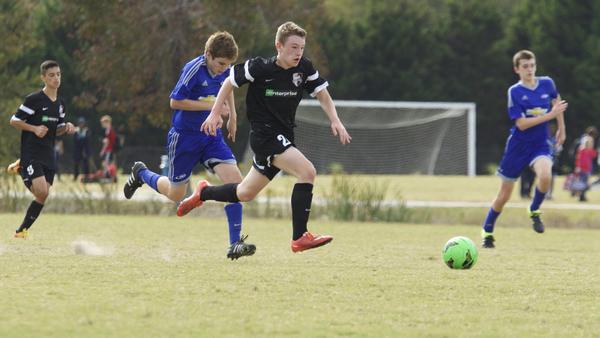

Possession begins and ends in midfield. Teams dominating this central area control matches, whilst those struggling for midfield organisation constantly surrender the ball and invite pressure. The difference rarely lies in individual technical ability alone but rather in collective shape, enabling effective ball retention. Understanding midfield balance football principles and implementing structured positioning transforms average technical players into effective possession-oriented teams capable of controlling matches through intelligent organisation.
Understanding Midfield Retention Principles
Midfield represents football's most congested zone, where tactical battles determine match outcomes.
The Role of Midfield in Possession
Central midfielders serve as distribution hubs connecting defensive and attacking units. They receive passes from defenders, retain possession under pressure, and deliver the ball to forwards in threatening positions. This intermediary function requires positioning that facilitates receiving from behind whilst maintaining options ahead. TeamStats data consistently shows teams maintaining superior midfield possession win significantly more matches than those surrendering central control.
Recycling possession through midfield allows teams to probe defensively organised opponents systematically. When initial attacking attempts fail, circulating the ball back through central areas resets attacks whilst maintaining territorial dominance. Effective midfield shapes enable this recycling without surrendering possession to pressing opponents.
Why Shape Matters for Retention
Passing angles determine whether players can maintain possession under pressure. When midfielders position themselves, creating obtuse angles for opponents but optimal angles for teammates, passing becomes significantly easier. Conversely, poor positioning where players align directly leaves passers vulnerable to interceptions along predictable passing lines.
Support positioning ensures ball carriers always have outlets. Isolated players facing opponents without nearby teammates inevitably lose possession. Structured shapes guarantee multiple passing options from any position, enabling teams to play through pressure rather than resorting to hopeful clearances.
Covering space effectively prevents opposition counter-attacks whilst maintaining possession. Midfield shapes must balance offensive ambition with defensive security, positioning players to support attacks whilst covering spaces should possession turn over. This midfield balance football concept separates teams maintaining control from those creating chances but conceding easily on transitions.
Key Elements of Effective Midfield Shapes
Certain principles underpin all successful midfield organisations regardless of specific tactical systems employed.
Triangles and Passing Options
Triangular positioning provides optimal support structures. When three players form triangles, the ball carrier always has two immediate options at different angles and distances. These geometrical relationships create natural passing lanes that opponents struggle to block simultaneously. Building midfield shapes around interlocking triangles ensures constant availability throughout central areas.
Varied passing distances within triangles provide tactical flexibility. Short options maintain possession safely under heavy pressure, medium passes progress play steadily, whilst long switches change attack directions rapidly. Incorporating all three distance options within cohesive shapes enables teams to adapt their approach based on defensive responses encountered.
Spacing and Positioning
Horizontal width prevents defensive congestion, simplifying opposition marking. When midfielders spread appropriately wide, opponents must choose between maintaining compact defensive shapes or spreading to match, creating exploitable spaces in either scenario. However, excessive width disconnects midfielders from teammates, so optimal spacing requires balancing spread against connectivity.
Vertical depth provides progressive passing options. Staggered positioning with some midfielders deeper and others advanced creates layers enabling step-by-step ball progression. This depth contrasts with flat lines where all midfielders occupy similar vertical positions, limiting progressive passing opportunities.
Avoiding congestion requires awareness of teammate positioning. Multiple players occupying identical spaces enables opponents to mark several players simultaneously. Conscious spacing, where midfielders recognise when areas become crowded and adjust positioning, maintains numerical advantages throughout zones.
Numerical Advantages
Overloading central areas creates mathematical superiority. If opponents deploy three midfielders and your team fields four centrally, your side naturally possesses more passing options and better coverage. This numerical dominance particularly benefits possession-focused systems prioritising central control. Many successful football formations employ midfield overloads, establishing retention foundations.
Drawing opponents out of position creates space elsewhere. When midfield shapes attract multiple defenders centrally, wide areas open for exploitation. Conversely, spreading midfielders wide invites opponents outward, creating central penetration opportunities. Intelligent shape selection and adaptation manipulate defensive positioning systematically.
Common Midfield Configurations
Different structures suit varied tactical philosophies and player strengths.
Single Pivot Systems
One holding midfielder anchoring shape provides defensive security, whilst two advanced midfielders offer attacking support. The lone pivot must possess excellent positioning, passing range, and defensive awareness as they cover significant space individually. This structure suits teams with one exceptional defensive midfielder capableof anchoring play independently.
The formation's retention benefits include natural triangles with centre-backs and advanced midfielders, enabling smooth ball progression from defence. However, the single pivot can become isolated when opponents press aggressively, potentially creating retention vulnerabilities under intense pressure.
Double Pivot Structures
Two central midfielders sharing defensive responsibilities provide balanced coverage and retention security. This partnership allows mutual support where one can advance whilst the other holds position, or both can drop deep, receiving from defenders under high pressure. The structure naturally creates wide triangles with full-backs and central defenders.
Midfield balance football fundamentals often favour double pivots as they provide security without sacrificing progression. Neither midfielder carries sole responsibility for any single function, enabling flexible role sharing based on match situations. This adaptability suits teams facing varied opposition tactical approaches.
Diamond Midfield Formation
Four midfielders arranged in diamond shapes emphasise central control and retention. The base anchor provides defensive security, wide points offer lateral support, and the attacking tip links midfield to forwards. This concentration of bodies centrally creates significant passing options and numerical advantages in congested areas.
Narrow positioning creates retention benefits through short passing distances and multiple support angles. However, the diamond sacrifices width, potentially limiting attacking variety and leaving flanks vulnerable defensively. Teams employing diamonds often rely on full-backs providing width whilst midfielders focus on central dominance.
Three-Player Midfield Lines
Flat three-player midfield lines create balanced coverage across the pitch's width. This orthodox structure provides familiarity and simplicity whilst offering reasonable retention capabilities. Staggering this line with one deeper and two advanced creates additional depth, improving progressive passing options.
Width considerations become paramount in three-player systems. Positioning too narrow allows opponents to control wide areas; spreading excessively disconnects midfielders from teammates. Optimal spacing responds dynamically to opponent positioning and ball location, requiring constant awareness and adjustment.
Building Retention Through Movement
Static shapes rarely suffice; intelligent movement enhances structural advantages.
Rotation and Interchange
Position swapping confuses opponents whilst maintaining shape integrity. When midfielders exchange positions intelligently, defenders tracking individual players find themselves pulled from preferred positions. However, rotations must preserve overall shape balance; random movement creates disorganisation rather than tactical advantage.
Coordinated rotations require communication and understanding. Perhaps one midfielder advances whilst another drops, maintaining similar overall positioning but with different individuals occupying spaces. This interchange provides fresh angles and exploits opponents fixated on individual players rather than spaces.
Supporting Runs
Forward movement timing affects retention significantly. Arriving too early leaves runners marked and unavailable as passing options; arriving late means passes targeting spaces become intercepted. Synchronising runs with ball progression creates optimal receiving opportunities whilst maintaining support.
Backwards support ensures ball carriers facing pressure always have safe outlets. When forward options close, midfielders dropping deeper provide passing options, preventing forced errors. This covering movement exemplifies midfield balance football - supporting attacks whilst maintaining possession security.
Lateral positioning creates angles when vertical passing lanes close. Midfielders moving horizontally across the pitch open passing options when forward and backward angles become blocked. This side-to-side movement proves particularly valuable against compact defences closing central spaces.
Creating Angles
Body orientation affects receiving effectiveness dramatically. Midfielders positioned sideways can see both passing options and approaching opponents; those facing backwards see only one direction. Coaching proper body positioning during reception significantly improves retention under pressure.
Receiving positions between opponent lines create penetration opportunities. When midfielders find pockets of space behind one defensive line but ahead of another, they receive facing forward with time to progress play. Identifying and exploiting these spaces represents advanced tactical understanding, transforming adequate possession into dangerous attacks.
Progressive passing lanes emerge through intelligent positioning. Rather than standing still awaiting passes, effective midfielders constantly adjust positioning, creating angles enabling forward play. This proactive movement differs fundamentally from reactive adjustments after receiving possession.
Adapting Shapes to Opposition
Rigid structures fail against varied tactical approaches; adaptation proves essential.
Against High Press
Dropping deeper provides time and space when opponents press aggressively. Midfielders positioning closer to centre-backs offer safe passing outlets whilst creating spaces behind pressing opponents that forwards can exploit. This deeper positioning prioritises retention over immediate progression, valuing possession security against intense pressure.
Wide positioning stretches pressing structures. When midfielders spread horizontally, opponents must choose between maintaining compact pressing shapes with gaps emerging or spreading to cover width, sacrificing pressing intensity. Either choice creates exploitable weaknessesthat intelligent teams leverage systematically.
Quick circulation defeats pressing through speed rather than space. Rapid passing sequences move the ball faster than opponents can press effectively, creating brief moments where ball carriers enjoy time and space. This approach requires excellent technical execution and understanding but enables retention against aggressive opposition. Training these patterns through coaching apps helps teams develop necessary speed and precision.
Against Low Block
Higher positioning increases attacking presence when opponents sit deep. Midfielders advancing closer to defensive lines provide support for forwards whilst creating overloads in attacking thirds. This forward positioning sacrifices some defensive security but proves necessary for breaking down compact defensive structures.
Penetrative runs from midfield become crucial against deep opponents. Static positioning allows defenders to mark midfielders comfortably; forward runs into spaces between defensive lines create dilemmas where defenders must choose between tracking runners or maintaining shape. Either choice creates opportunities that intelligent teams exploit.
Patience in the build-up proves essential. Low blocks aim to frustrate opponents into forcing errors; maintaining possession through midfield, calmly probing for openings, demonstrates tactical discipline. Teams surrendering possession through impatience gift opponents exactly what defensive strategies intend to provoke.
In Transition Moments
Immediate shape recovery following possession loss prevents counterattacks. Midfielders must instantly assess whether pressing immediately to regain possession or dropping into defensive positions proves most appropriate. This split-second decision-making requires tactical understanding developed through focused training.
Counter-pressing positions midfielders aggressively when possession turns over in attacking areas. Immediately pressuring opponents in dangerous positions often regains possession before opponents organise counter-attacks. However, this aggressive approach requires team-wide commitment; isolated midfield pressing leaves defensive gaps that opponents exploit easily.
Training Exercises for Midfield Organisation
Specific drills develop understanding and execution of effective midfield shapes.
Possession Drills
Rondos with midfield focus teach retention under pressure. Positioning exercises within circles emphasising midfield-specific movements - dropping, supporting, and rotating - directly develop retention capabilities. Varying circle sizes and player numbers create different pressure levels, challenging players progressively.
Position-specific exercises isolate particular midfield roles. Perhaps defensive midfielders practice receiving from centre-backs under forward pressure, or attacking midfielders train turning with possession facing the goal. These focused drills develop individual competencies contributing to collective retention effectiveness.
Pattern play practice establishes coordinated movement sequences. Rehearsing specific passing patterns with predetermined movements builds understanding of shape principles and timing. Whilst match scenarios rarely follow rehearsed patterns exactly, these exercises establish foundational understanding teams adapt during competitive play.
Positional Games
Small-sided scenarios focused on midfield areas provide realistic retention challenges. Perhaps 6v4 possession games in central zones replicate typical midfield numerical situations. These exercises develop both individual skills and collective understanding within manageable complexity levels.
Constrained spaces force quick decision-making and tight technical execution. Playing possession games in smaller areas replicates the congestion characterising midfield zones during matches. Success in these challenging environments requires exactly the retention capabilities teams need during competitive fixtures.
Shadow Play
Movement patterns without opposition allow focus on positioning and coordination. Teams walking through midfield shapes, demonstrating supporting runs and rotational movements, builds understanding before introducing opposition complexity. This simplified approach particularly suits younger players developing foundational concepts.
Building understanding through repetition establishes automatic positioning responses. When midfielders repeatedly practice proper supporting positions, these movements become instinctive rather than requiring conscious thought. This automaticity proves crucial during matches where cognitive demands leave little capacity for deliberate positional calculations.
Age-Appropriate Shape Development
Developmental stages influence suitable complexity levels and teaching approaches.
Youth Teams (Under-11 to Under-14)
Simplified structures suit developing tactical understanding. Perhaps basic triangular shapes with clear roles - one defensive, two attacking - provide sufficient complexity without overwhelming young players. The 7-a-side format naturally suits simplified midfield organisations for younger age groups.
Basic positioning principles establish foundations for future development. Teaching concepts like "always provide an option" or "create angles for teammates" gives simple rules guiding positioning without overwhelming detail. These principles remain relevant regardless of specific tactical systems employed later.
Gradual complexity introduction respects cognitive development. Perhaps starting with static positioning before introducing simple movements, then progressing toward coordinated rotations. This progressive approach builds understanding systematically rather than attempting to teach everything simultaneously.
Older Youth (Under-15+)
Complex rotations challenge maturing tactical understanding. Older players can handle sophisticated positional interchanges, synchronised movements, and adaptive positioning responding to opponent actions. This advanced content develops the tactical sophistication required for competitive football at higher levels.
Opposition-specific adjustments demonstrate tactical flexibility. Perhaps analysing upcoming opponents' pressing patterns and designing shape adaptations exploiting identified weaknesses. This analytical approach develops football intelligence alongside physical and technical capabilities.
Common Mistakes and Solutions
Recognising typical errors enables targeted correction.
Too Static
Players maintaining fixed positions regardless of ball location or opponent positioning struggle to create useful passing options. Encourage constant adjustment, creating angles and support. Movement must serve purposeful objectives - creating space, offering support, or exploiting opponent positioning - rather than random motion.
Poor Spacing
Clustering together enables opponents to mark multiple players simultaneously whilst leaving other areas exposed. Emphasise maintaining appropriate distances from teammates, creating optimal passing angles without disconnecting fromthe collective structure. Regular feedback highlighting spacing issues gradually improves spatial awareness.
Lack of Support
Ball carriers facing opponents without nearby outlets inevitably lose possession or play risky passes, creating turnovers. Drilling the principle that someone must always support the ball carrier establishes this fundamental requirement. Perhaps conditioning possession drills where turnovers result from insufficient support rather than technical errors reinforces this principle effectively.
Ignoring Width
Narrow positioning simplifies opponent defensive organisation by allowing compact shapes covering all players easily. Encouraging midfielders to use pitch width stretches defences, creating spaces for penetration. This width particularly matters for teams prioritising possession and patient build-up rather than direct attacking approaches.
Conclusion
Effective midfield organisation provides the foundation for sustained possession and match control. Creating shapes featuring appropriate spacing, natural triangles, and balanced positioning enables retention under pressure whilst facilitating progressive play. The specific configuration employed matters less than adherence to underlying principles - supporting angles, appropriate distances, and coordinated movemen,t maintaining structural integrity.
Midfield balance football requires conscious attention to both offensive ambition and defensive security. Shapes prioritising solely attacking support leave teams vulnerable to transitions; those emphasising exclusively defensive security limit attacking potential. Optimal organisations provide both dimensions simultaneously through intelligent positioning and movement.
Developing these capabilities requires structured training emphasising positional understanding alongside technical execution. Teams investing time practising midfield shapes, coordinated movements, and adaptive positioning consistently outperform more talented but organisationally naive opponents. The difference lies not in individual brilliance butin collective intelligence, creating environments where retention becomes natural rather than a constant struggle. Implementing systematic shape work through purposeful drills and clear tactical instruction unlocks possession capabilities, transforming team performance fundamentally.
═══════════════════════════════════════════════════════════════