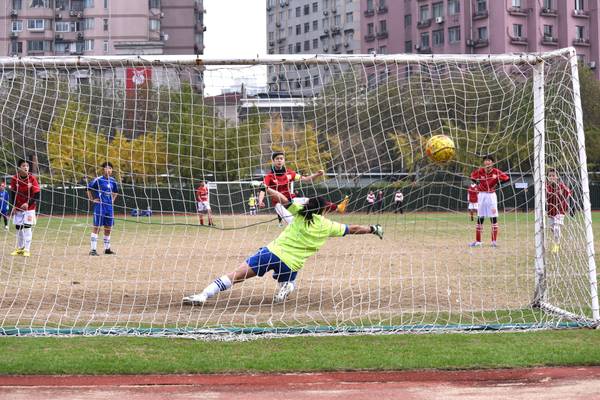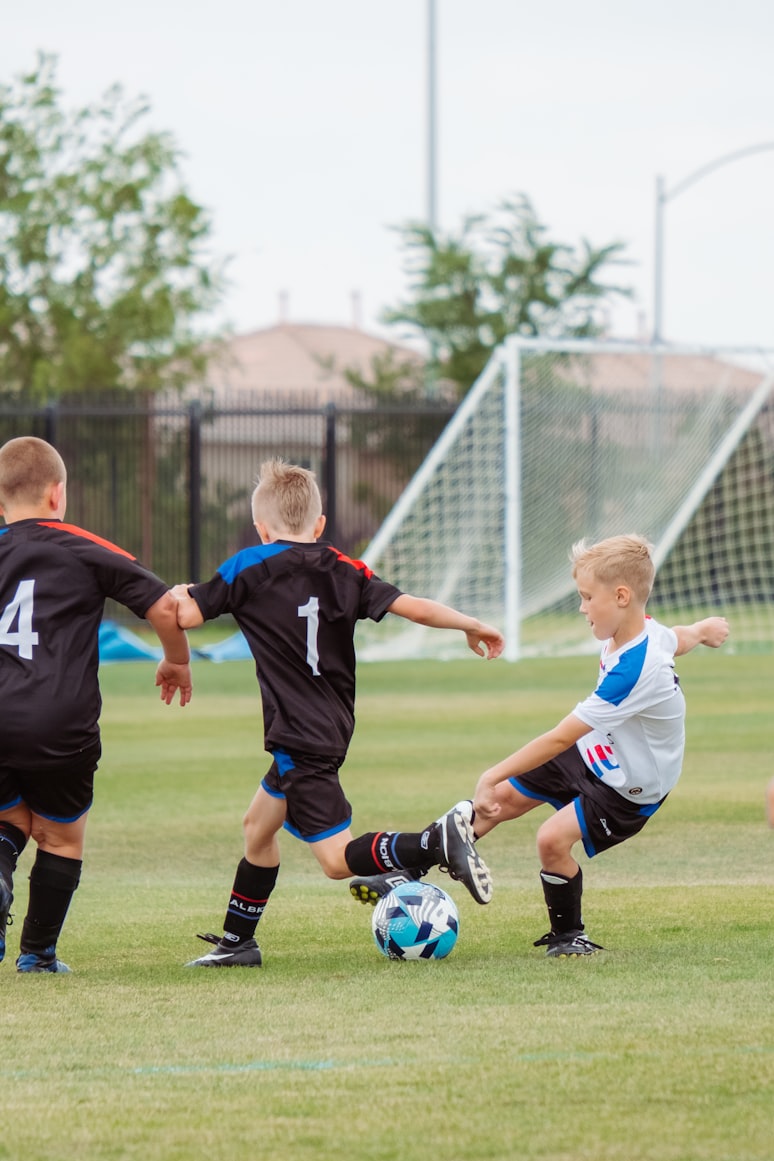

The final whistle blows on the last fixture of the season, and most grassroots football teams pack away their kit bags without looking back. Yet the difference between teams that improve year-on-year and those that repeat the same mistakes often comes down to what happens in the weeks after the season ends. End-of-season feedback, when done properly, transforms how teams perform, how players develop, and how managers approach the next campaign.
The challenge facing volunteer managers and parent-coaches is conducting reviews that actually drive improvement rather than becoming box-ticking exercises. Many teams hold rushed meetings where everyone says "well done" before disappearing for the summer. Others avoid feedback altogether, worried about causing conflict or lacking the time to do it properly. Neither approach helps players develop or teams progress.
Effective end-of-season feedback requires structure, honesty, and a clear focus on development rather than criticism. The most successful grassroots teams treat these reviews as essential development opportunities, not administrative burdens. When managers approach feedback with the right framework and mindset, they create genuine improvements that show up in results, player confidence, and team culture the following season.
Why Most End-of-Season Reviews Fail
The typical grassroots football review follows a predictable pattern. The manager gathers parents and players after the final match, mentions a few highlights from the season, thanks everyone for their commitment, and sends them home. Three months later, pre-season training begins with exactly the same issues that plagued the previous campaign.
Common Review Patterns
This happens because most reviews focus on what happened rather than why it happened and what needs to change. Recounting memorable matches or listing statistics tells teams nothing about how to improve. Players need specific feedback on their development areas. Managers need an honest assessment of tactical approaches. Parents need clarity on how they can better support the team.
Time pressure compounds the problem. Volunteer managers juggling work and family commitments struggle to find hours for thorough reviews. Without dedicated time, feedback becomes superficial. One grassroots manager in the Midland Junior Premier League noted that the first attempt at structured reviews took three evenings to complete properly - but the following season saw the team concede 40% fewer goals because defenders finally understood their positional responsibilities.
Barriers to Effective Feedback
Fear of conflict also undermines effective feedback. Managers worry that honest assessments will upset players or parents, particularly when discussing why certain players received limited game time or why tactical approaches didn't work. This avoidance means issues fester rather than resolve. The most effective managers recognise that respectful, specific feedback prevents far more conflict than vague pleasantries.
Structuring Feedback for Different Audiences
End-of-season feedback serves multiple audiences with different needs. Players require individual development guidance. Parents need context about their child's progress and next steps. The management team needs tactical and organisational reflection. Treating these as one conversation dilutes the value for everyone.
Individual Player Reviews
Player feedback works best through one-to-one conversations lasting 15-20 minutes per player. These sessions should cover three specific areas: technical development, tactical understanding, and attitude/commitment. Vague praise like "you had a good season" provides no actionable guidance. Specific observations like "first touch improved significantly in the second half of the season, particularly when receiving the ball under pressure" give players clear evidence of progress.
The most effective player reviews follow a consistent structure. Start with genuine strengths demonstrated during the season, supported by specific examples from matches or training. Move to development areas, again with concrete examples and clear guidance on how to improve. Finish with goal-setting for the next season, ensuring players leave with specific actions they can work on during the summer.
For youth players, involve parents in these conversations, but direct the feedback to the players themselves. This respects the player's ownership of their development whilst ensuring parents understand how to support progress. A team management app can help track individual development notes throughout the season, making these reviews far more specific than relying on memory alone.
Parent Communication
Parents need separate communication that contextualises their child's feedback within team objectives and age-appropriate development expectations. Many grassroots parents lack football knowledge and worry unnecessarily about playing time or position changes. Clear communication about development priorities at each age group prevents misunderstandings.
This communication should explain the team's tactical approach during the season and how it aligned with player development goals. Parents need to understand why the team played a certain formation, why players rotated positions, or why some matches prioritised development over results. This transparency builds trust and helps parents support rather than undermine coaching decisions.
Proactive Parent Engagement
Address common parental concerns proactively. Explain selection criteria, outline expectations for the next season, and clarify how parents can best support their children's development. The Echo Junior Football League saw significant improvements in parent behaviour after clubs implemented structured end-of-season communications that set clear expectations before the new campaign began.
Management Team Reflection
The coaching and management team needs honest internal reflection separate from player and parent feedback. This session should analyse what worked tactically, what didn't, and why. Successful teams examine their football coaching apps and tools to identify patterns in performance data that weren't obvious during the season.
Consider questions like: Did the formation suit the players available? Were training sessions appropriate for the age group? Did communication with parents work effectively? Were match-day preparations adequate? This reflection should be brutally honest - the only audience is the management team itself, so there's no benefit in avoiding uncomfortable truths.
Creating Actionable Development Plans
Feedback only drives improvement when it converts into specific actions. The gap between "you need to improve your passing" and actual improvement is a clear development plan with measurable steps. Grassroots teams often skip this crucial step, leaving players unclear about how to progress.
Elements of Effective Plans
Effective development plans contain three elements: specific skills to develop, practical methods for improvement, and measurable success criteria. For a midfielder who needs to improve decision-making, the plan might specify: "Work on recognising when to pass forward versus sideways by watching 10 minutes of professional matches weekly, focusing on central midfielders. Success means making the correct decision 7 times out of 10 in training games by October half-term."
These plans must be realistic for grassroots football. Most players won't attend specialist coaching camps or work with personal trainers. Development plans should include activities players can do independently or with family members - ball mastery routines in the garden, watching specific aspects of professional matches, or playing different positions in recreational kickabouts.
Age-Appropriate Planning
For younger age groups, development plans should emphasise enjoyment and broad skill development rather than position-specific technical work. The FA's long-term player development framework recommends that Under-11 players focus on fundamental movement skills and ball mastery rather than tactical specialisation. End-of-season feedback at these ages should celebrate effort, improvement, and attitude rather than results or statistics.
Using Data Without Losing Perspective
Match statistics and performance data provide valuable insights for end-of-season reviews, but numbers without context mislead more than they inform. A striker who scored 15 goals had a better season than one who scored 5, unless the second striker played half the minutes, created twice as many chances for teammates, and faced stronger opposition.
Contextual Data Analysis
The most useful data for grassroots teams tracks improvement over time rather than absolute performance. Did the team's passing accuracy improve between September and May? Did defensive organisation reduce goals conceded in the second half of the season? These trends reveal whether the team is developing, regardless of league position or results.
TeamStats enables managers to track these trends throughout the season without adding administrative burden. Availability tracking shows which players committed most consistently to training and matches - often a better predictor of development than natural ability. Communication logs reveal whether organisational issues stemmed from unclear information or other factors.
Balanced Assessment
However, data should inform feedback rather than define it. Numbers can't capture leadership, resilience, or how a player's attitude improved team culture. The best reviews combine statistical evidence with qualitative observations from coaches who watched players develop week by week. This balanced approach prevents both over-reliance on statistics and purely subjective assessments that lack evidence.
Timing and Format Considerations
When and how feedback happens significantly affects its impact. Reviews conducted immediately after the final match, when emotions run high and everyone wants to start their summer break, rarely produce thoughtful reflection. Equally, waiting until pre-season begins means teams miss the summer development window.
Optimal Scheduling
The optimal timing is two to three weeks after the season ends. This gap allows emotions to settle whilst keeping the season fresh in everyone's minds. It also gives managers time to review match footage, analyse statistics, and prepare thoughtful feedback rather than rushing through conversations.
Format Selection
Format matters as much as timing. Individual player reviews work best face-to-face, where body language and dialogue create genuine conversation rather than one-way communication. Parents appreciate written summaries they can reference later, supplementing verbal conversations. Management team reflections benefit from extended sessions away from the training ground - many successful grassroots clubs hold end-of-season management meetings over a meal or at someone's home, creating space for honest discussion.
For teams using digital platforms, combining face-to-face conversations with written follow-up provides the best of both approaches. Players receive personal attention during the review meeting, then get written development plans they can reference throughout the summer. Parents receive detailed emails explaining team objectives and their child's specific development areas.
Addressing Difficult Conversations
Some end-of-season feedback conversations are inherently difficult. Telling a player they won't be selected for the team next season, explaining why a talented player's attitude holds them back, or discussing why a parent's touchline behaviour created problems requires careful handling.
Specificity and Respect
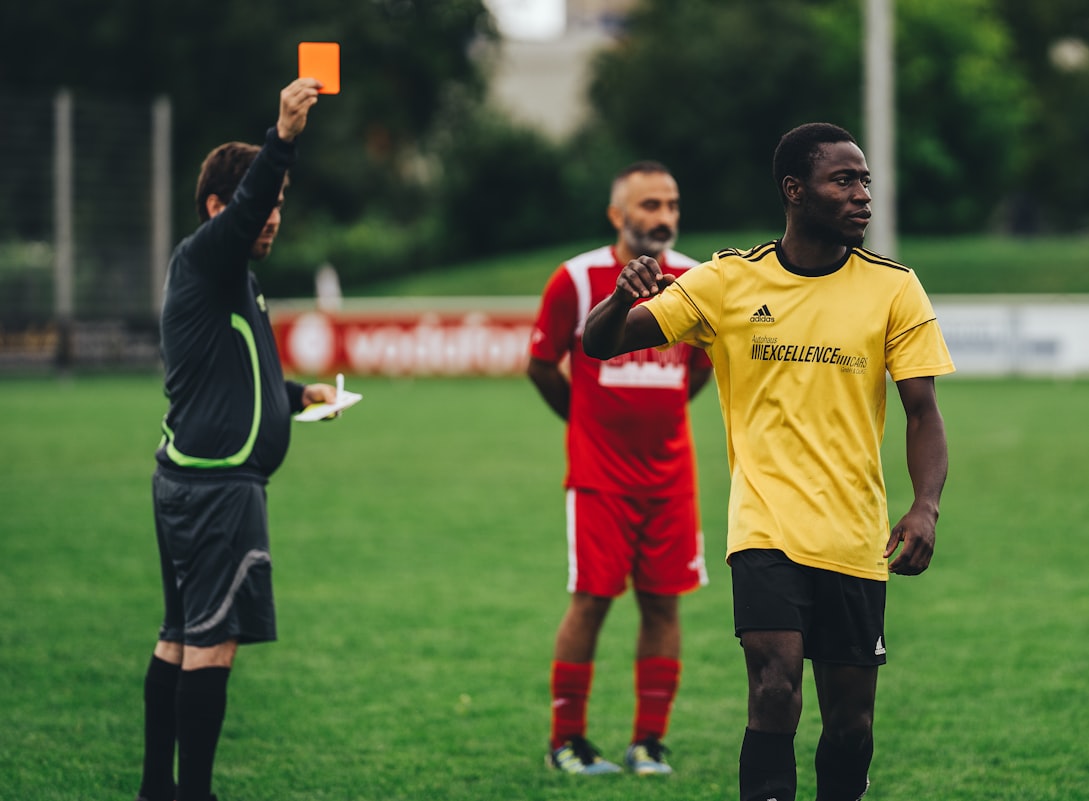
The key to difficult conversations is specificity and respect. Vague criticism like "your attitude needs to improve" invites argument and provides no actionable guidance. Specific observations like "you argued with the referee in four matches this season, which resulted in two yellow cards and affected your performance" give clear evidence and consequences.
Frame difficult feedback around impact rather than judgment. Instead of "you're lazy in training," try "when you don't complete the full warm-up, it affects your performance in the first 15 minutes of matches and sets a poor example for younger players." This approach focuses on observable behaviour and its consequences rather than character judgements.
Selection and Playing Time Discussions
For conversations about selection or playing time, explain the criteria clearly and offer pathways for improvement. A player dropped from the squad needs to understand specifically what must improve for reconsideration and how to demonstrate that improvement. Without this clarity, players and parents feel the decision is arbitrary or personal.
Preparation Strategies
Prepare for these conversations by writing down key points beforehand. This preparation ensures managers cover necessary topics without getting sidetracked by emotional responses. It also demonstrates respect - the player or parent can see their feedback warranted serious thought rather than off-the-cuff comments.
Turning Feedback into Pre-Season Planning
The most valuable end-of-season reviews directly inform pre-season planning. Tactical insights from the season review should shape training priorities. Player development needs should guide session planning. Organisational lessons should improve communication and logistics.
Direct Connection to Planning
Teams that excel at this connection create detailed pre-season plans before the summer break. If the review identified that the team struggled defending set pieces, pre-season training schedules include twice-weekly set piece practice for the first month. If player feedback revealed confusion about positional responsibilities, early-season sessions focus on tactical understanding rather than fitness.
This planning should also address non-playing aspects identified in reviews. If parent communication caused problems, establish clearer protocols before the season starts. If player availability tracking proved chaotic, implement better systems during pre-season. If the match day organisation felt rushed, create detailed checklists and assign responsibilities earlier.
Summer Implementation Opportunities
The gap between seasons offers the best opportunity for significant changes. Once the season begins, managers struggle to implement new approaches whilst managing weekly fixtures. Teams that use the summer to embed new systems, communication methods, or tactical approaches start the season far ahead of those who simply repeat previous patterns.
Building a Culture of Continuous Improvement
The ultimate goal of end-of-season feedback extends beyond immediate improvements. The best grassroots teams build cultures where honest feedback, reflection, and development become normal rather than annual events. This culture shift transforms how players respond to coaching, how parents support development, and how teams progress year after year.
Consistency and Modelling
Creating this culture starts with consistency. When players receive specific, respectful feedback every season, they learn to expect and value it rather than fear it. When managers demonstrate they act on feedback - implementing suggested improvements to training or organisation - players and parents see that reviews drive real change rather than empty exercises.
This culture also requires modelling. Managers who openly discuss their own development needs and mistakes give players permission to acknowledge their own areas for improvement without shame. Teams that celebrate effort and improvement as much as results create environments where feedback feels like support rather than criticism.
Long-Term Cultural Impact
The Eastern Junior Alliance has seen remarkable improvements in player retention and development since implementing structured end-of-season feedback across all member clubs. Clubs report that players arrive at pre-season with clear development goals and parents who understand their role in supporting progress. This systematic approach to feedback has become a defining characteristic of successful grassroots football clubs.
Conclusion
End-of-season feedback separates teams that improve from those that stagnate. The difference lies not in conducting reviews but in conducting them properly - with structure, specificity, and genuine commitment to development. When managers invest time in thoughtful player reviews, honest management reflection, and clear communication with parents, they create the foundation for measurable improvement the following season.
The most effective reviews focus relentlessly on actionable development rather than vague praise or criticism. They use data to inform rather than define feedback, balance honesty with respect, and convert insights into concrete pre-season plans. They recognise that different audiences need different conversations and that difficult feedback, when delivered properly, drives more improvement than comfortable platitudes.
For time-pressed volunteer managers, structured feedback might seem like another burden on top of already overwhelming responsibilities. Yet teams that commit to proper end-of-season reviews consistently report that this investment saves time during the season by preventing repeated mistakes, reducing conflicts, and creating clearer development pathways for players.
The weeks after the final whistle offer grassroots football's greatest opportunity for improvement. Teams that seize this opportunity through effective end-of-season feedback arrive at pre-season with clear plans, motivated players, and supportive parents. Those who skip this crucial step condemn themselves to repeating the same challenges season after season. For teams ready to streamline the review process and track development systematically, a team management app provides the infrastructure that makes comprehensive feedback manageable for volunteer managers. The choice between improvement and stagnation happens not on the pitch but in the quality of reflection that follows each campaign.
═══════════════════════════════════════════════════════════════