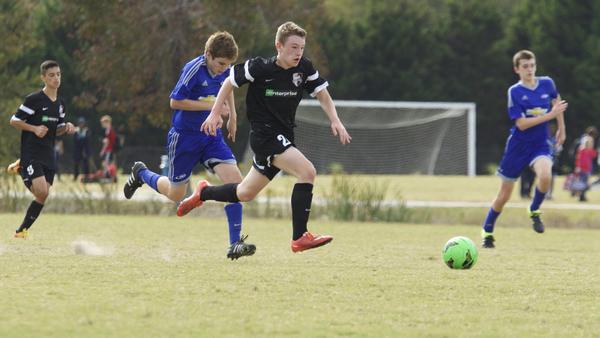

Effective tactical instruction separates successful youth football coaches from those who struggle to develop players. Whilst many coaches possess strong tactical knowledge, translating complex concepts into language that young players understand presents significant challenges. Clear communication transforms abstract strategic ideas into concrete actions that players can execute confidently during matches.
Grassroots football demands coaching approaches that consider developmental stages, attention spans, and varied learning styles. Coaches who master tactical communication create environments where players grasp positional responsibilities, understand team shape, and make intelligent decisions under pressure. Football tactical planning becomes significantly more effective when paired with communication methods that resonate with young athletes.
The Challenge of Tactical Communication in Youth Football
Age-Appropriate Language
Youth coaches must adjust tactical vocabulary based on player age and experience. Under-9 players respond better to simple, action-focused language like "stay close to your partner" rather than technical terms such as "maintain defensive compactness." As players mature, gradually introducing proper terminology builds their football education whilst ensuring immediate comprehension.
Avoiding coaching jargon proves essential for effective football tactical planning. Terms coaches consider standard - like "pressing triggers," "third-man runs," or "counter-pressing" - often confuse young players unfamiliar with such vocabulary. Explaining concepts using everyday language before introducing technical terms helps players connect ideas to actions they already understand.
Successful coaches develop simplified explanations for complex tactics. Instead of discussing "inverted wingers creating half-space penetration," younger players grasp "wide players cutting inside to shoot or pass" more readily. This translation skill determines whether tactical instructions translate into improved match performance.
Cognitive Development Considerations
Understanding how children process information at different ages fundamentally impacts tactical communication effectiveness. Younger players (under-7 to under-10) think concretely and struggle with abstract tactical concepts. They need physical demonstrations and immediate, specific feedback rather than lengthy explanations about positioning principles.
Older youth players (under-11 to under-16) gradually develop abstract thinking capabilities, enabling them to understand concepts like defensive cover, attacking support angles, and spatial relationships. However, attention spans remain limited, requiring coaches to deliver key tactical points efficiently without overwhelming players with excessive information.
Football tactical planning should account for cognitive development stages when designing communication approaches. Training sessions incorporating visual aids, hands-on demonstrations, and repeated practice in varied contexts support how young brains learn tactical concepts most effectively. Coaches expecting immediate mastery of complex ideas often frustrate players and themselves unnecessarily.
Principles of Effective Football Tactical Planning
Starting With Clear Objectives
Every tactical session requires well-defined objectives communicated clearly to players. Rather than vague goals like "improve our attacking play," specific objectives such as "create 2v1 situations on the wings" or "support the ball carrier with passing options" give players concrete targets to work towards during training.
Breaking complex tactical systems into manageable components prevents overwhelming players. Teaching a complete 4-3-3 formation system in one session proves impossible, but introducing individual player roles systematically over multiple weeks builds comprehensive understanding. This progressive approach to football tactical planning respects learning limitations whilst building towards sophisticated team tactics.
Prioritising key messages ensures players retain essential information. Identifying the three most important tactical points for each session, then reinforcing these consistently throughout training, produces better retention than covering ten different concepts superficially. Quality of understanding trumps quantity of information every time.
Creating a Shared Tactical Language
Establishing consistent terminology across all coaching staff prevents confusion and reinforces learning. When different coaches use varied terms for identical concepts, players struggle to build coherent tactical understanding. Regular coach meetings to agree on a common vocabulary ensure everyone delivers unified messages.
Building shared understanding requires patience and repetition. Introducing new tactical terms, demonstrating what they mean practically, then using them consistently across multiple sessions embeds vocabulary in players' football lexicon. Eventually, players use this language naturally when discussing tactics amongst themselves.
Reinforcement through varied contexts solidifies tactical vocabulary. Using the same terms during training exercises, pre-match briefings, half-time discussions, and post-match reviews creates multiple touchpoints that strengthen player comprehension and application of tactical concepts.
Visual Communication Methods
Using Demonstrations and Modelling
Physical demonstrations communicate tactical ideas more effectively than verbal explanations alone. Coaches demonstrating movements, positions, or decisions provide visual blueprints players can imitate. Breaking movements into sequential steps allows players to master components before combining them into complete actions.
Player demonstrations offer powerful learning opportunities when executed correctly. Asking players who grasp concepts to demonstrate for teammates reinforces their understanding whilst providing peers with relatable examples. However, coaches must ensure demonstrations show correct execution to avoid embedding mistakes in other players' learning.
Repetition and correction cycles establish proper tactical execution. Players attempting new tactical concepts inevitably make mistakes initially. Observing attempts, providing specific corrective feedback, then allowing further practice creates learning loops that gradually improve execution quality. Exploring 7-a-side formations through practical demonstration helps younger players understand positional relationships effectively.
Tactical Boards and Diagrams
Whiteboard sessions before training provide opportunities to preview tactical concepts in simplified visual formats. Drawing basic player positions, movement patterns, or passing sequences creates mental pictures players can reference when executing during practice. These sessions should remain brief (5-10 minutes maximum) to respect attention spans.
Simple visual representations work better than overly detailed diagrams for youth players. Basic shapes representing players, arrows showing movements, and clear labels identifying key positions communicate effectively without overwhelming viewers with excessive detail. Complexity can increase gradually as players develop tactical literacy.
Digital tools streamline football tactical planning and communication. Football coaching apps enable coaches to create, save, and share tactical diagrams with players and parents between sessions. This accessibility allows players to review concepts at home, reinforcing session learning and accelerating tactical development.
Video Analysis for Youth Players
Age-appropriate video sessions enhance tactical understanding when used judiciously. Short clips (2-3 minutes maximum) highlighting specific tactical situations maintain attention whilst illustrating concepts clearly. Showing successful execution from team matches provides relevant, meaningful examples players recognise.
Highlighting key moments within footage directs player attention to important tactical details. Pausing videos to ask questions - "What should the defender do here?" or "Where should our midfielder move?" - engages players actively rather than passive watching. This guided analysis develops tactical awareness more effectively than simply showing clips.
Positive reinforcement through video footage builds confidence and motivation. Whilst identifying improvement areas remains important, emphasising successful tactical execution during matches encourages players and validates training efforts. Balanced video analysis maintains constructive learning environments supporting player development.
Verbal Communication Techniques
The Power of Analogies and Metaphors
Relating tactical concepts to familiar ideas helps young players grasp abstract principles. Explaining defensive cover using the analogy of "protecting your friend's back when they're busy" makes spatial relationships concrete for children. Effective analogies connect football tactics to experiences players already understand intuitively.
Making abstract ideas tangible through metaphors accelerates learning. Describing team shape as "staying connected like links in a chain" helps players visualise maintaining proper distances between positions. These mental images provide reference points players can recall during matches when making positioning decisions.
Examples resonating with young players' experiences prove most effective. Comparing pressing coordination to "working together like a video game team" or describing passing patterns as "following a treasure map" uses language and concepts relevant to youth culture. Coaches who understand player worlds communicate tactical ideas more successfully.
Questioning Rather Than Telling
Guided discovery methods develop deeper tactical understanding than directive instruction alone. Asking questions like "What happens if we move closer together?" during training prompts players to think critically about tactical principles. Players discovering answers themselves retain concepts better than those simply told what to do.
Developing tactical intelligence through questioning requires patience and skill. Coaches must resist immediately providing answers when players struggle, instead offering guiding questions that lead players toward correct conclusions. This approach builds problem-solvers who understand why tactics work, not just how to execute them.
Encouraging player problem-solving creates ownership of tactical decisions. When players participate in determining team tactics or adapting strategies during matches, they invest more fully in execution. This collaborative approach to football tactical planning produces more engaged, tactically aware players throughout the squad.
Concise Instructions During Training
Keeping coaching points brief during sessions maintains focus and clarity. Delivering one or two specific instructions - "Support with an angle" or "Press when the ball travels" - proves more effective than lengthy explanations that lose player attention. Conciseness respects limited attention spans whilst ensuring key messages penetrate.
Focusing on one concept at a time prevents cognitive overload. Attempting to correct multiple tactical aspects simultaneously confuses players and dilutes learning. Addressing the most important tactical priority first, allowing practice, then progressively adding complexity produces superior results to addressing everything at once.
Checking understanding before continuing ensures concepts register before building further. Quick questions like "Who can explain what we're working on?" or "Show me where you should be" reveal comprehension levels. This feedback allows coaches to clarify misunderstandings immediately rather than discovering confusion later during matches.
Practical Training Methods for Tactical Learning
Progressive Training Structures
Building tactical understanding from simple to complex respects natural learning progressions. Starting with fundamental concepts in controlled environments, then gradually increasing difficulty and situational variability, allows players to master basics before tackling advanced applications. This systematic approach to football tactical planning prevents overwhelming players whilst maintaining engagement.
Isolated skill practice establishes technical foundations required for tactical execution. Players cannot execute sophisticated tactics without adequate technical ability, so balancing technical development with tactical instruction proves essential. Once basic skills solidify, integrating them into tactical scenarios becomes more realistic and productive.
Allowing sufficient repetition for pattern recognition enables players to recognise tactical situations during matches. Repeatedly practising specific scenarios - like recognising when to press, identifying passing options, or understanding defensive cover responsibilities - builds automatic responses that don't require conscious thought during game pace. TeamStats helps coaches plan progressive training blocks that systematically develop tactical competencies across the season.
Small-Sided Games for Tactical Development
Using game constraints to emphasise tactical concepts creates natural learning environments. Modifying rules - such as requiring three passes before shooting or limiting touches - focuses player attention on specific tactical principles whilst maintaining competitive engagement. Small-sided games teach tactics implicitly through play rather than explicit instruction alone.
Repetition in varied contexts transfers tactical learning to match situations. Practising the same tactical concept across different game formats and pitch areas helps players recognise underlying principles regardless of specific circumstances. This variability enhances tactical flexibility and decision-making quality during unpredictable match events.
Natural learning through play respects how young players develop best. Whilst direct instruction has its place, allowing players to discover tactical solutions through game experiences produces deeper understanding. Coaches facilitating this discovery process through thoughtful game design develop more creative, tactically intelligent players.
Position-Specific Tactical Sessions
Targeted instruction for different positions addresses specific tactical responsibilities efficiently. Separating defenders, midfielders, and attackers for portions of training allows focused communication about role-specific tactics without boring players with irrelevant information. Position groups can then combine to practice collective tactical execution.
Understanding individual responsibilities provides foundations for team tactical cohesion. Players must grasp their personal roles before understanding how those roles interconnect with teammates' responsibilities. Clear individual tactical expectations enable players to make informed decisions supporting team strategy during matches.
Building collective understanding from individual clarity creates comprehensive tactical systems. Once players understand personal responsibilities, explaining how positions interconnect and support each other completes the tactical picture. This layered approach prevents confusion whilst developing sophisticated team tactics over time. Understanding the number six position helps midfielders grasp their defensive responsibilities within team tactics.
Technology and Tools Supporting Tactical Communication
Team Management Platforms
Digital platforms revolutionise tactical communication by providing accessible repositories for training content. Uploading tactical diagrams, session plans, and instructional videos creates libraries players and parents can reference between training sessions. This accessibility extends learning beyond pitch time, accelerating tactical development.
Sharing tactical information with parents involves families in player development. When parents understand tactical concepts their children are learning, they can reinforce key points at home and support homework assignments. This partnership between coaches and families optimises learning environments for young players.
Building comprehensive tactical libraries over seasons creates valuable club resources. Documenting successful training exercises, tactical progressions, and communication strategies provides blueprints for current and future coaching staff. This institutional knowledge elevates overall club standards and ensures consistency as personnel change.
Mobile Apps for Player Education
Homework assignments between sessions reinforce tactical learning and maintain engagement. Setting brief tasks - like watching specific video clips, reviewing tactical diagrams, or completing quiz questions about tactical concepts - keeps tactics in players' minds throughout the week. A team management app facilitates this ongoing engagement by delivering content directly to players and tracking completion.
Reinforcing session learnings through digital content solidifies concepts before subsequent training. When players review material between sessions, they arrive better prepared to build on previous learning. This continuity accelerates tactical progression compared to starting fresh each session without interim reinforcement.
Interactive tactical content engages modern players accustomed to digital learning. Quizzes testing tactical knowledge, interactive diagrams allowing players to move virtual players around, and gamified learning experiences appeal to youth players whilst delivering educational value. Embracing technology meets players in their preferred learning mediums.
Common Communication Mistakes to Avoid
Information Overload
Attempting to teach too much too quickly represents one of the most common coaching errors. Enthusiasm for tactical development sometimes leads coaches to cover multiple concepts in single sessions, overwhelming players and ensuring nothing gets retained properly. Discipline in limiting session focuses improves learning outcomes dramatically.
Excessive detail drowns key messages in unnecessary complexity. Young players need simplified tactical frameworks they can execute confidently, not comprehensive tactical treaties they cannot process. Distinguishing essential information from nice-to-know details ensures communication hits targets effectively.
Losing core messages in complexity prevents tactical implementation during matches. When players cannot recall key points from training, they default to instinctive play rather than executing coached tactics. Ruthless prioritisation of important concepts over comprehensive coverage produces better match-day application.
Inconsistent Messaging
Changing terminology between sessions confuses players and undermines learning. If coaches call the same tactical concept by different names across sessions, players struggle to connect ideas and build coherent understanding. Consistency in language enables cumulative learning across multiple sessions.
Contradicting assistant coaches creates uncertainty about correct execution. When coaching staff provide conflicting tactical instructions, players receive mixed messages that prevent confident decision-making. Regular staff meetings to align tactical communication ensure unified messaging across all coaches.
Varied approaches from different coaches fragment player learning. Whilst individual coaching styles naturally differ, core tactical messages must remain consistent. Agreeing fundamental tactical principles club-wide provides stable frameworks within which individual coaching personalities can flourish without confusing players.
Assuming Understanding
Failing to check comprehension before progressing leaves players behind. Coaches cannot assume understanding simply because explanations were clear to them. Regular comprehension checks through questions, demonstrations, or practical applications reveal actual understanding levels and identify necessary clarification.
Moving forward before concepts solidify creates shaky tactical foundations. Rushing tactical progression to cover more content ultimately slows overall development because players lack secure understanding of fundamental concepts. Patience in establishing basics enables faster progression to advanced tactics later.
Missing individual learning differences prevents some players from accessing tactical concepts. Whilst group instruction proves efficient, coaches must recognise that some players need additional support, alternative explanations, or extra repetition to grasp concepts their teammates understand more readily. Differentiated communication ensures all players develop tactically.
Building Tactical Understanding Over Time
Season-Long Progression
Introducing tactical concepts gradually across the season respects learning limitations whilst building towards comprehensive team tactics. Early season focuses on fundamental principles like maintaining shape and understanding basic roles. Mid-season layers additional concepts onto these foundations. Late season refines execution and explores more sophisticated tactical variations.
Revisiting and deepening understanding reinforces earlier learning whilst adding complexity. Returning to fundamental concepts with increased depth after initial introduction helps players recognise their developing understanding and maintains strong foundations. This cyclical approach to football tactical planning produces more thorough comprehension than linear progression alone.
Connecting new tactical ideas to established knowledge helps players integrate learning cohesively. Explaining how new concepts relate to previously learned principles provides context and meaning. Players recognise they're building interconnected tactical systems rather than learning isolated, unrelated concepts.
Individual Learning Differences
Visual learners grasp tactical concepts best through demonstrations, diagrams, and video. Auditory learners benefit most from verbal explanations and discussions. Kinesthetic learners need physical practice to understand concepts through movement. Effective coaches recognise these preferences and provide multiple communication pathways to ensure all players access tactical learning.
Adapting communication styles based on player needs maximises coaching effectiveness. Some players require more repetition, others need different analogies, and some benefit from one-on-one explanation after group instruction. Flexibility in communication approach ensures no player gets left behind in tactical development.
Providing multiple pathways to understanding accommodates diverse learning styles within squads. Combining verbal instruction, visual aids, physical demonstration, and practical application in every session increases likelihood that all players grasp concepts regardless of individual learning preferences. This comprehensive approach optimises overall squad tactical development.
Measuring Communication Effectiveness
Observing Player Decision-Making
Match performance provides ultimate tests of tactical communication effectiveness. When players consistently execute coached tactics during competitive matches, communication clearly succeeded. Conversely, players reverting to instinctive play despite training suggests communication gaps requiring different approaches.
Training session execution indicates whether players understand tactical concepts in controlled environments. Successful execution during practice demonstrates comprehension but doesn't guarantee match application. Gradual progression from training to matches, introducing pressure and opposition progressively, bridges this transfer gap effectively.
Transfer of knowledge to game situations represents the crucial measure of tactical learning. Coaches must assess whether players apply tactical concepts learned in training during unpredictable match events. This transfer demonstrates genuine understanding rather than merely memorising coach instructions for specific drills.
Player Feedback and Questions
Creating safe environments where players ask questions without embarrassment encourages open communication. When players feel comfortable admitting confusion, coaches receive valuable feedback about communication clarity. Cultures penalising questions guarantee players hide misunderstandings until they manifest during matches.
Regular check-ins on understanding through informal conversations reveal learning gaps formal assessments might miss. Casual discussions about tactics during water breaks or before sessions provide insights into player comprehension levels. This ongoing feedback enables coaches to adjust communication approaches in real-time.
Adjusting based on player input demonstrates respect for learners and improves outcomes. When coaches modify explanations, try different analogies, or provide additional practice based on player feedback, they model growth mindset and responsive coaching. This collaborative approach to football tactical planning produces better learning environments and results.
Conclusion
Communicating tactical ideas clearly represents a fundamental coaching skill that separates effective youth football coaches from those who struggle despite strong tactical knowledge. Mastering communication techniques - including age-appropriate language, visual demonstrations, questioning strategies, and progressive training methods - transforms abstract tactical concepts into executable match actions.
Successful football tactical planning requires more than understanding tactics; it demands translating complex ideas into language young players comprehend and remember. Coaches who invest time developing communication skills alongside tactical knowledge create learning environments where players grasp positional responsibilities, understand team shape, and make intelligent decisions during matches.
Modern technology removes traditional communication barriers by providing platforms for sharing tactical content beyond training sessions. Tools enabling coaches to create visual resources, deliver homework assignments, and maintain consistent tactical messaging accelerate player development whilst involving families in the learning process. Embracing these resources whilst maintaining focus on fundamental communication principles positions grassroots coaches to develop tactically sophisticated players who understand not just what to do, but why tactical decisions matter.
═══════════════════════════════════════════════════════════════