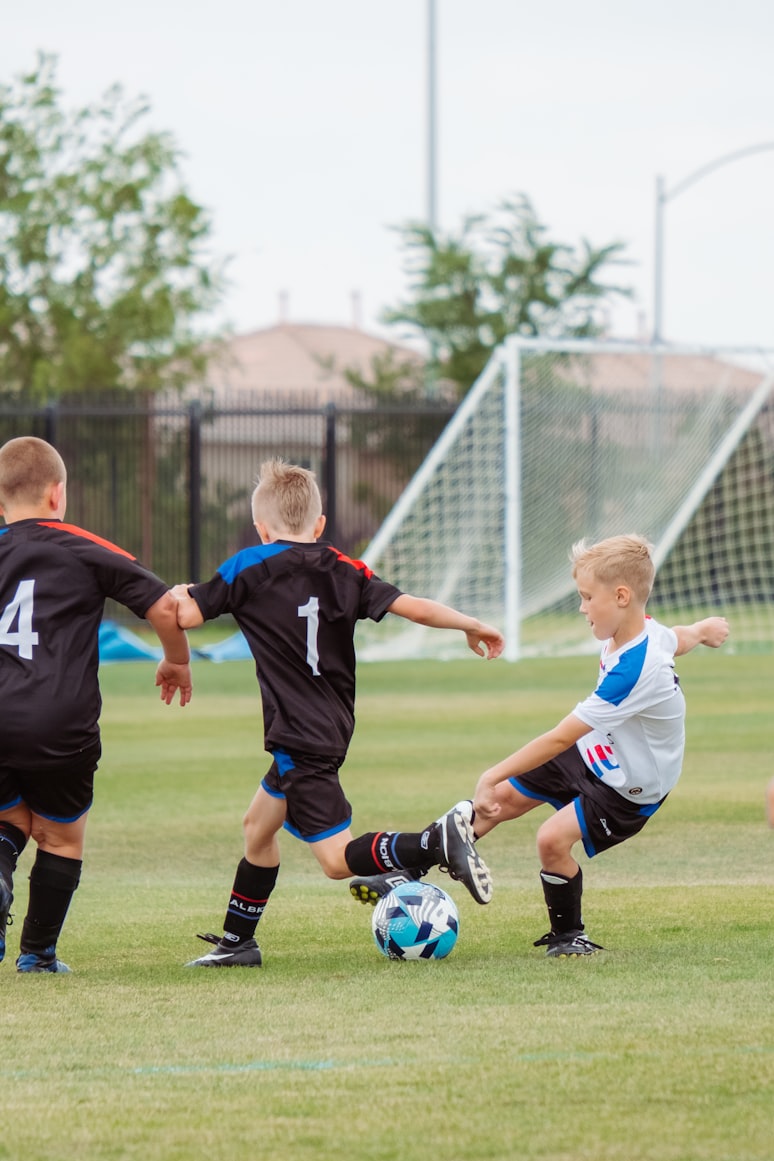

Schools sit at the heart of youth development, yet most grassroots clubs barely scratch the surface of what's possible through structured partnerships. The reality is stark: whilst professional academies have dedicated education and welfare officers managing school relationships, community clubs often rely on chance encounters and informal arrangements that collapse when a single volunteer moves on.
Football school partnerships offer something more valuable than just access to facilities or players. They create sustainable pathways that benefit both institutions - schools gain structured sports provision that supports their PE curriculum and wellbeing objectives, whilst clubs secure long-term player development opportunities and community integration. The most successful partnerships in UK grassroots football share common characteristics: formal agreements, shared safeguarding protocols, and mutual understanding of educational and sporting objectives.
Understanding What Schools Need From Football Partnerships
Primary School Challenges
Schools operate under different pressures than football clubs. Ofsted inspections, curriculum requirements, safeguarding obligations, and stretched PE budgets shape every decision a headteacher or PE coordinator makes. Approaching schools without understanding these priorities rarely succeeds.
Primary schools particularly struggle with PE delivery. Many lack specialist PE teachers, relying instead on class teachers who may have limited sports coaching experience. The government's PE and Sport Premium funding gives primary schools approximately £16,000-£20,000 annually to improve PE provision, but many schools lack the expertise to deploy this effectively. This creates a genuine opportunity for football clubs that can demonstrate structured, curriculum-aligned coaching programmes.
Secondary School Priorities
Secondary schools face different challenges. They need extracurricular activities that engage students across ability levels, not just elite athletes. Schools want programmes that support their broader educational goals - attendance, behaviour, academic attainment, and mental health. The most compelling club proposals address these wider outcomes, not just football development.
Safeguarding Requirements
Safeguarding sits above everything else. Schools cannot partner with organisations that don't meet stringent child protection standards. Every coach entering school premises needs an enhanced DBS check, safeguarding training, and appropriate insurance. Schools need to see these credentials before any conversation about football can progress.
Building Initial Contact With Local Schools
Identifying Decision-Makers
Cold emails to generic school addresses rarely work. Schools receive constant approaches from commercial organisations, charities, and community groups. The key is identifying the right person and demonstrating immediate understanding of their specific context.
The PE coordinator or head of PE is usually the primary contact, but in some schools, the assistant headteacher responsible for enrichment or pastoral care holds more influence. Research the school's website, recent Ofsted reports, and local news coverage to understand their current priorities and challenges.
Research and Targeted Outreach
Initial contact should be brief and specific. Rather than offering vague "partnership opportunities", propose a concrete pilot programme with clear educational benefits. For example: "Six weeks of lunchtime football coaching for Year 5 pupils, supporting PE curriculum objectives around teamwork and physical literacy. All coaches are FA-qualified with enhanced DBS checks."
Face-to-Face Opportunities
Face-to-face contact works better than email alone. Attending school sports days, parent evenings, or community events where school staff are present creates informal opportunities for conversation. Many successful football school partnerships began with a volunteer who happened to be a parent at the school, leveraging existing trust and understanding.
Structuring Formal Partnership Agreements
Essential Agreement Elements
Informal arrangements work until they don't. A change in school leadership, a safeguarding concern, or a simple miscommunication can collapse an entire programme overnight. Formal written agreements protect both parties and ensure continuity beyond individual relationships.
Effective partnership agreements cover several essential elements. The scope of activity needs a precise definition - which year groups, how many sessions, during school hours or after school, term-time only or including holidays. Responsibilities must be crystal clear: who provides equipment, who manages registers, who handles first aid, who communicates with parents.
Safeguarding Protocols
Safeguarding protocols require detailed documentation. The agreement should specify DBS check requirements, supervision ratios, behaviour management procedures, and incident reporting processes. Schools need written confirmation that the club's safeguarding policies meet FA standards and local authority requirements. Using a team management app helps maintain accurate records of which coaches hold current qualifications and clearances.
Insurance and Liability
Insurance and liability deserve specific attention. Schools need evidence of public liability insurance (typically with minimum £5 million cover) and professional indemnity insurance. The agreement should clarify who's responsible if a child is injured during club-led activities on school premises. Most grassroots clubs secure this through FA Charter Standard membership or County FA affiliation.
Financial Arrangements
Financial arrangements must be transparent from the start. Some schools can pay for coaching from their PE Premium budget. Others expect free provision in exchange for facility access or player recruitment opportunities. Neither approach is inherently wrong, but mismatched expectations cause friction. Be explicit about costs, payment terms, and what happens if the school can't continue funding.
Developing Curriculum-Aligned Coaching Programmes
National Curriculum Alignment
Schools won't continue partnerships that feel like an add-on to their core work. The most sustainable programmes align with national curriculum PE objectives and support broader educational outcomes.
The national curriculum for PE emphasises physical competence, healthy active lifestyles, and character development through sport. Primary school programmes should demonstrate how football coaching develops fundamental movement skills, not just sport-specific techniques. Session plans that reference curriculum objectives - "developing balance, agility and coordination" or "learning to evaluate and recognise their own success" - resonate with teachers in ways that purely tactical content doesn't.
Age-Appropriate Delivery
Age-appropriate coaching matters enormously in school settings. Year 1 and 2 pupils (ages 5-7) need play-based learning with maximum ball contact, not scaled-down versions of adult training. Year 5 and 6 pupils (ages 9-11) can handle more structured technical work, but still benefit from varied activities rather than repetitive drills. Understanding child development stages, not just football coaching apps and tactics, separates effective school partnerships from failed ones.
Inclusive Programming
Inclusive delivery is non-negotiable in school environments. Classes include children with SEND, varying fitness levels, and different cultural backgrounds regarding mixed-gender sports. Sessions must engage everyone, not just the athletically gifted. Small-sided games, differentiated challenges, and varied roles (coach, referee, analyst) keep all pupils involved regardless of ability.
Documentation
Documentation supports programme sustainability. Providing schools with written session plans, assessment frameworks, and progress reports demonstrates professionalism and helps teachers justify the partnership to senior leadership. Simple tracking of pupil attendance, engagement, and skill development creates evidence that the programme delivers educational value beyond just "keeping kids busy".
Navigating Safeguarding and Compliance Requirements
DBS Checks and Training
Safeguarding failures destroy partnerships and harm children. Schools operate under Keeping Children Safe in Education statutory guidance, which sets exacting standards for anyone working with pupils. Football clubs must meet or exceed these standards.
Enhanced DBS checks are mandatory for any coach delivering regular sessions in schools. "Regular" means four or more times in a 30-day period, or overnight. Clubs cannot rely on standard DBS checks or supervisory arrangements that might suffice in other contexts. The school will verify DBS status directly - attempting to shortcut this process ends partnerships immediately.
Safeguarding training must be current and documented. All coaches need FA Safeguarding Children training (renewed every three years) at a minimum. Many schools now expect additional training in areas like online safety, radicalisation awareness (Prevent duty), and mental health first aid. Maintaining records of who's completed what training, and when renewals are due becomes complex with multiple volunteers. Digital tracking through TeamStats prevents situations where unqualified coaches inadvertently work in schools.
Supervision Ratios and Behaviour Management
Supervision ratios follow statutory guidance for educational settings, which is more stringent than typical grassroots coaching. For primary age children, expect requirements around one adult per 15 pupils for low-risk activities, with higher ratios for younger children or higher-risk activities. Schools will specify their requirements - clubs must comply without negotiation.
Behaviour management in schools differs from club settings. Coaches cannot use the same disciplinary approaches they might apply in weekend matches. Physical contact should be minimal and always appropriate. Sanctions must align with school behaviour policies. Many schools provide specific training on their behaviour management systems - take it seriously.
Incident Reporting
Incident reporting and record-keeping meet educational standards, not just sports club norms. Any injury, behavioural incident, or safeguarding concern requires immediate reporting to school staff and formal documentation. Schools may need to report incidents to parents, governors, or local authorities. Poor record-keeping creates legal and reputational risk for both organisations.
Creating Player Pathways From Schools to Clubs
Transition Programmes
The most valuable outcome of football school partnerships is developing sustainable player pathways that benefit children's long-term development. This requires more than just handing out flyers about club training sessions.
Transition programmes help children move from school-based football to club environments. Many children enjoy football in PE lessons but find club settings intimidating. Taster sessions that bridge these environments - perhaps after-school clubs led by the same coaches who deliver PE sessions - reduce barriers. Parents who've seen coaches work professionally in school settings feel more confident about club involvement.
Clear Communication
Clear communication about club opportunities matters enormously. Schools can share information about club training times, costs, and what new players should expect. However, schools cannot be seen to favour one club over others without good reason. Exclusive partnerships work where clubs offer genuine added value through formal coaching programmes, not just recruitment drives disguised as educational provision.
Inclusive Opportunities
Inclusive pathways serve all ability levels, not just talent identification for elite players. Football school partnerships that cherry-pick the best athletes and ignore others damage relationships quickly. Teachers notice when clubs show interest in their school only as a recruitment ground rather than genuinely supporting all children's development. The clubs that maintain long-term school partnerships offer recreational football opportunities alongside competitive pathways.
Financial Barriers
Financial barriers prevent many children from joining grassroots clubs, even when they've enjoyed school-based coaching. Clubs that work with schools to identify funding solutions - whether through FA Wildcats programmes, local authority grants, or club bursary schemes - convert more school participants into club members. Transparent communication about actual costs, with clear information about available financial support, helps parents make informed decisions.
Managing Multiple School Partnerships Effectively
Centralised Scheduling
Successful clubs often work with several schools simultaneously, which creates significant organisational complexity. Without systems to manage schedules, communications, and compliance across multiple sites, quality suffers and partnerships collapse.
Centralised scheduling prevents the common problem of double-booking coaches or promising sessions the club can't deliver. When working across three or four schools with different term dates, varying session times, and occasional schedule changes, manual coordination fails. Digital tools that show coach availability, qualification status, and existing commitments across all venues prevent embarrassing mistakes that damage credibility.
Standardised Communications
Standardised communication protocols ensure consistent quality across partnerships. Schools should receive the same professional level of session plans, progress reports, and incident communications regardless of which coach delivers their programme. Templates and systems that maintain this consistency without requiring excessive volunteer time make multiple partnerships sustainable.
Quality Assurance
Quality assurance across sites matters when the club's reputation depends on delivery in multiple schools. Periodic observation of sessions, coach mentoring, and feedback from school staff identify issues before they escalate. The clubs that maintain numerous successful school partnerships invest in coordinator roles - often volunteer positions, but with clear responsibility for partnership quality and development.
Measuring and Demonstrating Partnership Impact
Participation Data
Schools need evidence that partnerships deliver value. Vague claims about "getting kids active" or "developing talent" don't justify continued commitment of time, space, and sometimes funding. Effective measurement captures outcomes that schools care about.
Participation data provides the foundation. Tracking how many pupils engage, attendance rates across terms, and demographic representation (gender, ethnicity, SEND, pupil premium eligibility) demonstrates reach and inclusivity. Schools particularly value evidence that programmes engage children who typically avoid PE or sports activities.
Skill Development Assessment
Skill development assessment aligned with curriculum objectives shows educational impact. Simple frameworks that track progress in areas like coordination, teamwork, and tactical understanding give teachers evidence for pupil assessments and reports. This doesn't require complex data collection - straightforward observation checklists completed after each term suffice.
Wider Outcomes
Wider outcomes beyond football matter enormously to schools. Can teachers identify improvements in targeted pupils' behaviour, attendance, or engagement with learning? Do pupils demonstrate increased confidence or social skills? Gathering brief teacher feedback through simple surveys or informal conversations provides powerful evidence for partnership value.
Case Studies
Case studies and testimonials bring data to life. A quote from a teacher about a previously disengaged pupil who now looks forward to football sessions, or a parent's feedback about their child's increased activity levels, supports partnership renewal more effectively than statistics alone. Collecting and documenting these stories throughout the year demonstrates ongoing impact.
Sustaining Long-Term School Partnerships
Regular Communication
Initial enthusiasm often carries new partnerships through the first term or year. Sustaining them requires deliberate effort to maintain relationships, adapt to changing circumstances, and demonstrate continued value.
Regular communication beyond operational necessities builds relationships. Attending school events unrelated to football, acknowledging school achievements in newsletters or social media, and showing genuine interest in the school's broader work create goodwill that carries partnerships through difficult periods. When budget cuts threaten programmes, schools prioritise partners who've demonstrated commitment to their whole community.
Flexibility and Responsiveness
Flexibility and responsiveness to changing school needs separate sustainable partnerships from transactional arrangements. School priorities shift with new leadership, curriculum changes, or Ofsted feedback. The clubs that regularly ask "how can we better support your current objectives?" and adapt their offer accordingly maintain partnerships through these transitions.
Recognition and Celebration
Recognition and celebration of partnership achievements benefits both organisations. Joint events that showcase pupil progress, invite parents to watch sessions, or celebrate tournament successes give schools positive stories for their community and governors. These visible wins make it easier for school leaders to justify continued partnership when competing demands arise.
Documentation and Knowledge Transfer
Documentation and knowledge transfer protect partnerships from key person dependency. When the teacher who championed the partnership moves schools, or the club volunteer who managed the relationship steps down, formal agreements and documented processes enable continuity. Recording the partnership history, current arrangements, and key contacts in accessible formats prevents the common pattern where successful programmes collapse due to personnel changes.
Conclusion
Football school partnerships represent one of the most impactful investments grassroots clubs can make in youth development. Unlike recruitment drives or one-off tournaments, sustained school collaborations create systematic pathways that benefit hundreds of children whilst strengthening the club's community roots and long-term sustainability.
Success requires understanding that schools are educational institutions first, not football talent pools. The partnerships that endure align with curriculum objectives, meet stringent safeguarding standards, and demonstrate measurable impact on broader educational outcomes. This demands professional systems for managing compliance, communications, and quality across multiple sites - areas where many volunteer-led clubs struggle without appropriate tools and processes.
The clubs that excel at school partnerships share common characteristics: formal written agreements, curriculum-aligned coaching programmes, robust safeguarding protocols, and systematic measurement of impact. They recognise that schools need reliable, professional partners who reduce workload rather than creating it. Most importantly, they focus on serving all children's development rather than just identifying elite talent.
For clubs ready to move beyond informal arrangements toward strategic school partnerships, the investment in proper systems and documentation pays dividends through sustainable player pathways, enhanced community reputation, and genuine contribution to youth development. Ready to manage school partnerships professionally? Join TeamStats to track coach qualifications, coordinate schedules across multiple schools, and maintain compliance records systematically.
═══════════════════════════════════════════════════════════════