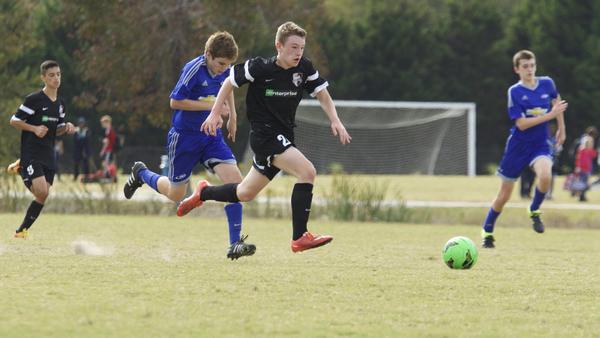

Grassroots football thrives on connection - between players, coaches, families, and the wider community. Social media channels have become the digital clubhouse where these connections flourish, but only when the content feels genuine. Staged team photos and generic action shots no longer capture attention. What resonates are authentic moments that tell the real story of grassroots football: the muddy celebrations, the tactical discussions on the touchline, the nervous excitement before kick-off.
The challenge for volunteer managers and parent-coaches isn't just taking photos - it's capturing images that reflect the true character of their team whilst juggling a dozen other responsibilities on match day. Professional photography equipment and editing skills aren't necessary. What matters is understanding which moments to capture, how to frame them naturally, and how to maintain that authenticity when sharing on social channels.
Why Authentic Football Photography Matters
Emotional Connection and Engagement
Grassroots football clubs compete for attention in crowded social media feeds. Parents scroll past dozens of posts daily, and potential sponsors evaluate clubs based on their online presence. Generic team lineups and distant action shots blend into the background. Authentic images stop the scroll because they trigger emotional responses.
A photo of a young defender consoling a teammate after conceding a goal tells a more powerful story than any posed trophy shot. It demonstrates the values the club instils - resilience, empathy, teamwork. These moments resonate with parents considering which club to join and sponsors looking for community-focused partnerships.
TeamStats users report that clubs with active, authentic social media presence see 40% higher engagement from parents and better attendance at fundraising events. The connection is straightforward: families invest more time and energy into clubs where they feel genuinely connected to the community.
Essential Football Photography Tips for Match Days
Capture Moments Before and After Action
The best football photography tips focus on moments outside the 60-90 minutes of actual play. Arrive 20 minutes before kick-off to capture:
Pre-match preparation: Players lacing boots in the changing room, the manager delivering final tactical instructions, teammates helping each other with shin pads. These behind-the-scenes moments humanise the team and create narrative depth that pure action shots cannot achieve.
Post-match reactions: The immediate aftermath - whether jubilant celebrations or disappointed but supportive teammates - reveals genuine emotion. Wait five minutes after the final whistle rather than packing up immediately. Some of the most shareable content emerges during this window.
Candid interactions: Coaches demonstrating techniques during warm-ups, parents cheering from the touchline, substitutes encouraging teammates. These peripheral moments often generate more engagement than the goals themselves because more people feature in them.
Position Yourself Strategically
Standing behind the goal might seem logical for capturing shots, but it produces predictable angles that lack context. Instead:
Touchline positioning: Stand level with play, roughly at the halfway line. This angle captures facial expressions, body language, and the spatial relationships between players - crucial elements for authentic storytelling. Move up and down the touchline as play progresses rather than remaining static.
Low angles for youth teams: Crouch or kneel when photographing under-12s and younger age groups. Shooting from adult height makes young players appear small and distant. A lower perspective creates more dynamic, engaging images that place viewers at the player's level.
Background awareness: Position yourself so the background adds context rather than distraction. A shot with the clubhouse or team banner visible reinforces location and identity. Avoid angles where parked cars, bins, or unrelated activity dominate the frame.
Use Your Smartphone Effectively
Modern smartphones rival dedicated cameras for grassroots football photography, but most people underutilise their capabilities:
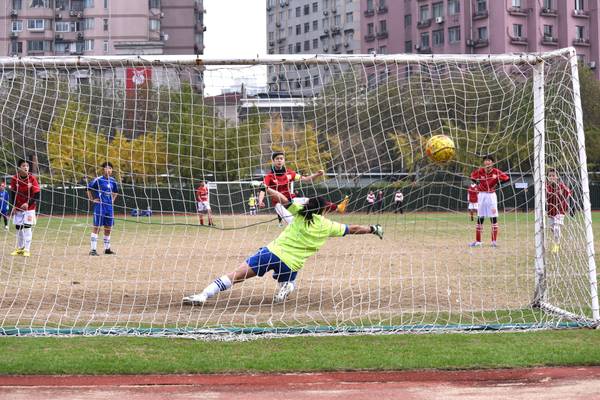
Burst mode for action: Hold down the shutter button to capture 10-15 frames per second. This dramatically increases the odds of catching that perfect moment - the exact instant a striker connects with the ball or a goalkeeper makes a diving save. Select the best frame afterwards and delete the rest.
Lock focus and exposure: Tap and hold on your subject until the AE/AF Lock indicator appears. This prevents the camera from refocusing on the wrong element mid-action, particularly useful when players move between light and shadow on partially sunny days.
Avoid digital zoom: Move closer physically rather than pinching to zoom. Digital zoom degrades image quality significantly. If you cannot get closer, crop the image during editing instead - the result will be sharper.
Clean your lens: Fingerprints and pocket lint ruin otherwise excellent photos. Wipe the lens with your shirt before each match. This simple habit improves image clarity more than any app or filter.
Creating Variety for Social Media Channels
Balance Wide Shots and Close-Ups
Social media algorithms favour varied content. Posting only action shots creates visual monotony that reduces engagement over time. Effective football coaching apps help managers plan content variety alongside tactical preparation.
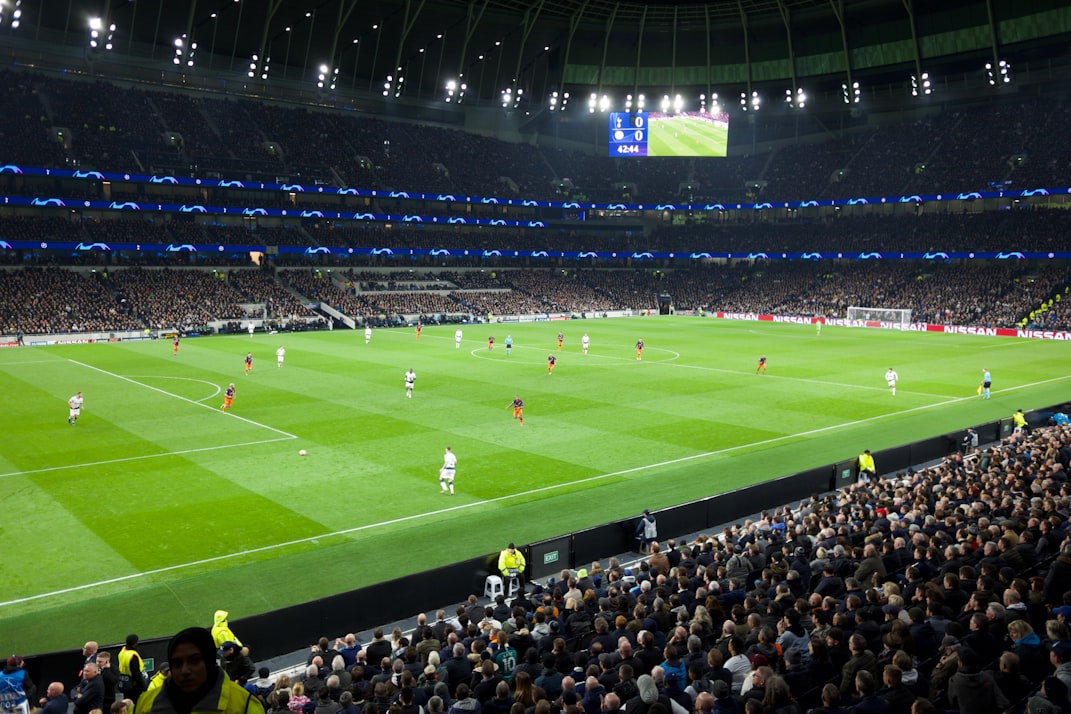
Wide establishing shots: Capture the full pitch, showing team shape and spatial organisation. These images appeal to tactically-minded parents and coaches whilst demonstrating the club's facilities. One wide shot per match provides context for the closer action photos.
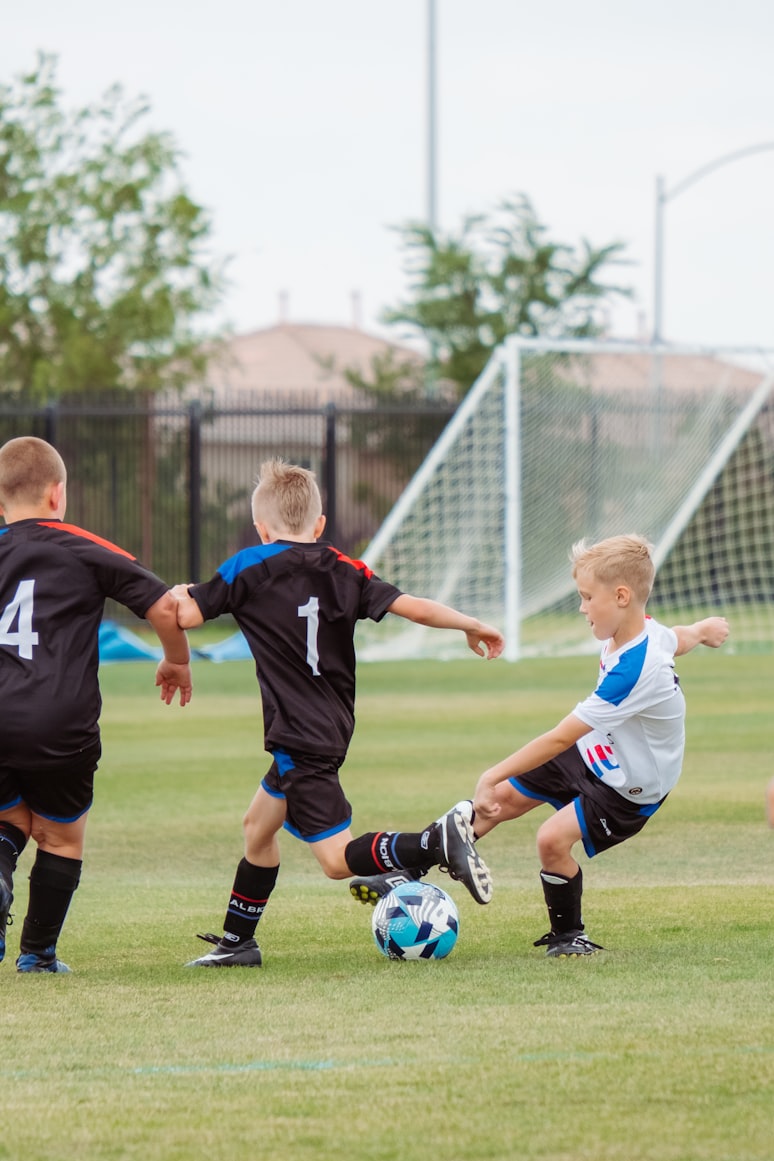
Medium action shots: Frame 3-5 players competing for the ball. This distance captures the intensity of challenges whilst maintaining enough detail to identify individuals - important for parents scanning for their own child.
Tight portraits: Close-ups of individual players celebrating, concentrating, or displaying emotion create powerful social media content. These images generate higher engagement because they're more relatable and personal than distant action shots.
Document Training Sessions Differently
Training photos require a different approach because the environment is more controlled and less emotionally charged:
Focus on learning moments: Capture coaches demonstrating techniques, players attempting new skills, or small group discussions during water breaks. These images reinforce the club's commitment to development rather than just results.
Show progression: Photograph the same drill or exercise over multiple weeks to demonstrate improvement. A side-by-side comparison of a player's shooting technique in September versus December tells a compelling development story that resonates with parents and players.
Include everyone: Training sessions provide opportunities to photograph players who see limited match time. Ensuring every squad member features regularly in social content strengthens team cohesion and keeps all families engaged with the club's channels.
Technical Considerations for Grassroots Conditions
Adapting to British Weather
Grassroots football continues regardless of conditions, and football photography tips must account for British weather:
Overcast days: Cloudy skies actually benefit photography by providing even, diffused lighting without harsh shadows. Increase exposure slightly (using your camera's +/- compensation dial) to prevent images appearing dull and grey.
Rain and mud: Wet conditions create atmospheric photos that capture grassroots football's authentic character. Protect your phone with a clear plastic bag or waterproof case. Embrace the mud splashes and rain-soaked kits - these elements make images more distinctive and shareable.
Low winter light: Afternoon fixtures in November through February present challenging lighting conditions. Position yourself with the sun behind you when possible. If shooting into low sun, tap to expose for the players' faces rather than the bright sky, accepting that the background will appear blown out.
Managing Motion Blur and Sharpness
Blurred action shots frustrate volunteer photographers, but several techniques minimise this issue:
Increase shutter speed: If using a dedicated camera, set shutter priority mode at 1/500th second minimum for running players, 1/1000th for striking and jumping. Smartphones handle this automatically in good light but struggle in dim conditions.
Anticipate rather than react: Watch play develop and predict where the action will occur next. Raising your camera as a striker enters the penalty area beats attempting to react once they've already shot.
Pan with moving players: Follow a running player with your camera, keeping them centred in the frame whilst pressing the shutter. This technique keeps the player sharp whilst blurring the background, creating dynamic images that convey speed and movement.
Ethical Considerations and Safeguarding
Respecting Privacy and Consent
Photographing children requires careful attention to safeguarding guidelines:
Verify club photography policies: Many grassroots clubs maintain lists of players who cannot be photographed due to safeguarding concerns. Check with the club welfare officer before sharing any images publicly. Digital platforms that track these permissions prevent accidental policy breaches.
Avoid identifying information: Never include full names with photos of children on public social media channels. First names only, or squad numbers, provide sufficient identification for families without creating safeguarding risks.
Focus on activity, not individuals: Photograph children engaged in football rather than isolated portraits. This approach reduces potential risks whilst maintaining authentic storytelling.
Respect opposition teams: Obtain permission before posting photos featuring players from opposing teams. Many clubs have different photography policies, and posting without consent creates unnecessary friction between clubs.
Editing and Enhancing Authenticity
Minimal Processing for Maximum Impact
Authentic football photography tips emphasise light editing that enhances rather than transforms:
Crop for composition: Remove distracting elements from frame edges and apply the rule of thirds - positioning key subjects at intersection points rather than dead centre creates more visually engaging images.
Adjust brightness and contrast: Slight increases to both settings make images pop on social media feeds without appearing over-processed. Most smartphone photo apps provide simple sliders for these adjustments.
Avoid heavy filters: Instagram filters and similar effects make images appear artificial and dated. If you must use filters, apply them at 25-50% strength rather than full intensity.
Maintain realistic colours: Resist the temptation to oversaturate colours. Grassroots football's authentic character comes from realistic representation - muddy pitches should look muddy, not artificially enhanced into vibrant greens.
Building a Sustainable Photography Routine
Sharing Responsibility Across the Team
One person cannot capture every moment whilst also managing match day responsibilities:
Rotate photography duties: Assign different parents to photograph each match. This distributes the workload and provides varied perspectives across the season. Create a simple rota using digital management tools that send automatic reminders.
Encourage parent contributions: Request that parents share their best 2-3 photos after each match via a team WhatsApp group or cloud folder. This crowdsourced approach captures moments the designated photographer missed whilst increasing parent engagement.
Designate a social media coordinator: Separate photography from posting. One person collects images from multiple sources and curates the best content for the club's social channels, maintaining consistent quality and posting frequency.
Maximising Social Media Impact
Timing and Frequency Strategies
Capturing great photos represents only half the challenge - posting them effectively determines actual engagement:
Post within 24 hours: Share match highlights the same evening or following morning while the experience remains fresh in participants' minds. Delayed posting reduces engagement significantly as parents move on to the week's other activities.
Vary posting times: Experiment with morning (7-9 am), lunchtime (12-2 pm), and evening (7-9 pm) posts to identify when your audience is most active. Sunday league football clubs often find Sunday evening posts perform best as families reflect on the weekend's matches.
Maintain consistent frequency: Regular posting (3-4 times weekly during season) builds audience expectations and maintains engagement. Sporadic posting reduces visibility as social media algorithms deprioritise inconsistent accounts.
Crafting Engaging Captions
Authentic images deserve equally authentic captions that extend the storytelling:
Name the moment: Describe what happened rather than stating the obvious. "Sophie's perfectly-timed sliding tackle preserved our clean sheet in the dying minutes" beats "Great defending today."
Ask questions: Encourage comments by prompting discussion. "What was your highlight from today's match?" or "Which player deserves this week's Player of the Match?" increases engagement metrics that boost post visibility.
Share context: Brief tactical observations or development notes add depth. "The back four maintained excellent defensive shape today, exactly what we've been practising in training" demonstrates coaching attention to detail whilst educating parents about the team's development focus.
Celebrate effort over outcomes: Grassroots football prioritises development and participation over winning. Captions should reflect this by highlighting improved technique, positive attitudes, and team support regardless of the scoreline.
Conclusion
Authentic grassroots football photography isn't about expensive equipment or professional editing skills - it's about understanding which moments matter and capturing them honestly. The pre-match nerves, the muddy celebrations, the coach's animated tactical instructions, and the substitute encouraging a teammate from the touchline. These genuine moments create the emotional connections that transform a collection of individuals into a community.
Volunteer managers and parent-coaches already juggle countless responsibilities on match days. Sustainable photography practices distribute the workload, share the creative perspective, and ensure no single person becomes overwhelmed. The goal isn't perfection - it's consistency and authenticity that reflects the true character of grassroots football.
Social media channels amplify these authentic moments, extending the matchday experience beyond the final whistle and strengthening the bonds between players, families, and the wider club community. When clubs share genuine stories through honest images, they attract like-minded families who value development, inclusivity, and positive football culture over winning at all costs.
Start small this weekend: arrive 15 minutes early, capture three different types of shots (wide, medium, close-up), and post your favourite image with a caption that tells the real story behind it. That single authentic moment, shared honestly, will resonate more deeply than a dozen staged team photos ever could. Team management apps support this content creation by coordinating photography rotas and streamlining social media workflows, helping clubs maintain a consistent, authentic online presence across grassroots leagues.
═══════════════════════════════════════════════════════════════