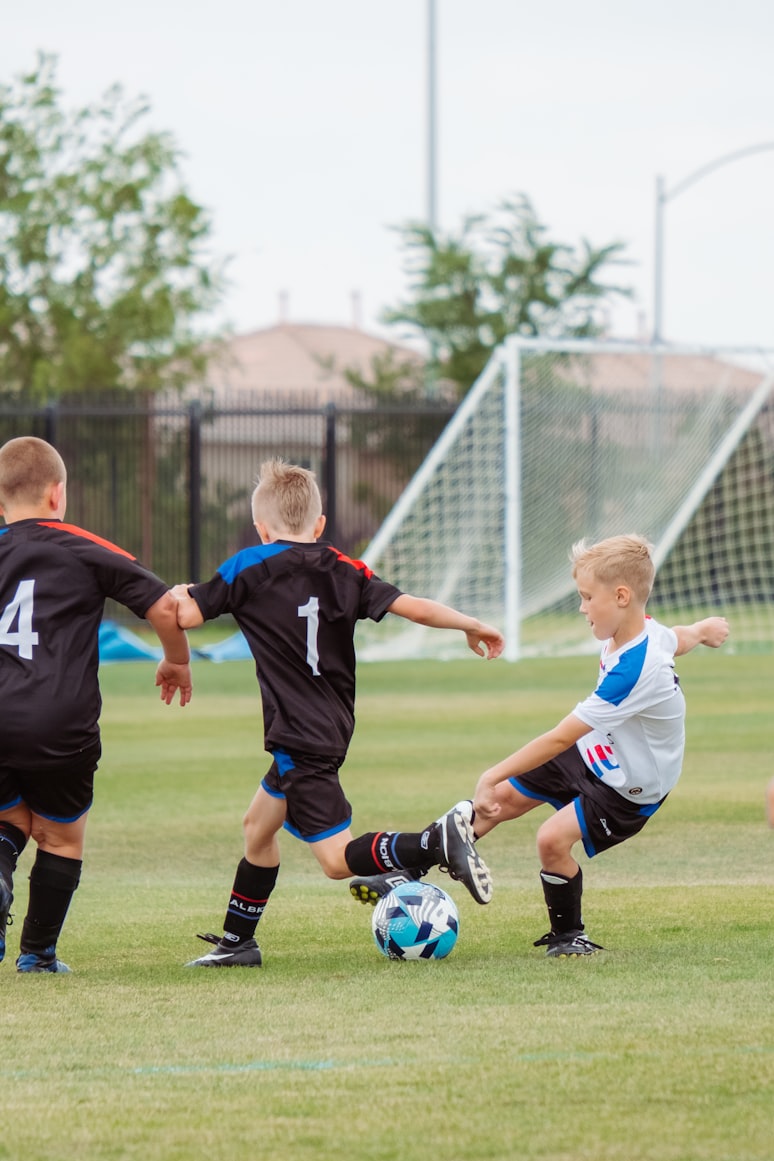

A strong coach-parent relationship football forms the backbone of successful grassroots football clubs. When parents and coaches work together with mutual respect, young players thrive both on and off the pitch. Yet building this respect requires intentional effort, clear communication, and shared commitment to player development.
Understanding the Foundation of Respect
Why Respect Matters in Youth Football
Respect between parents and coaches creates a positive environment where children can develop their football skills without unnecessary pressure or conflict. When adults model respectful behaviour, young players learn valuable life lessons about collaboration, communication, and sportsmanship.
Research consistently shows that positive adult relationships in youth sports contribute to better player retention, improved mental health outcomes, and enhanced enjoyment of the game. Children notice when their parents and coaches communicate effectively, and this stability allows them to focus on learning and having fun.
A healthy coach-parent relationship football culture also strengthen the entire club community. TeamStats helps grassroots football clubs build this foundation by providing transparent communication tools that keep everyone informed and connected throughout the season.
Common Communication Breakdowns
Many conflicts arise from simple misunderstandings rather than genuine disagreements. Parents may feel excluded from their child's football experience, whilst coaches might perceive questions as challenges to their authority. Emotional reactions during matches can escalate tensions, particularly when playing time or team selection becomes contentious.
Without clear expectations established early, small frustrations accumulate over the season. A parent's innocent question about training methods might be misinterpreted as criticism. A coach's brief feedback after a match could seem dismissive when they're simply managing time constraints with multiple families.
Establishing Clear Expectations from the Start
Pre-Season Communication
The most successful grassroots football teams begin each season with comprehensive parent-coach meetings. These sessions allow coaches to share their philosophy, outline training schedules, and explain how they approach player development. Parents gain insight into what their children will learn and how progress will be measured.
Discussing playing time policies upfront prevents many future disagreements. When coaches clearly explain their rotation approach and selection criteria, parents understand decisions aren't arbitrary. This transparency builds trust before the first whistle blows.
Setting communication guidelines during pre-season meetings establishes healthy boundaries. Coaches can specify the best times to discuss concerns - never immediately after matches when emotions run high - and explain their preferred contact methods.
Creating Communication Guidelines
Professional boundaries protect both coaches and parents whilst ensuring important information flows smoothly. Many effective football coaching apps include messaging features that allow structured communication without crossing into inappropriate territory.
Clear guidelines might specify that tactical decisions shouldn't be questioned during matches, but coaches welcome thoughtful conversations scheduled for appropriate times. Emergency contact protocols ensure urgent matters receive immediate attention, whilst routine questions follow established channels.
Building Trust Through Transparency
Sharing Your Coaching Approach
Coaches who explain their training methods help parents understand the reasoning behind sessions. When parents see how drills develop specific skills or why certain football formations are practised, they appreciate the structured approach to player development.
Transparency about selection decisions - without comparing children - demonstrates fairness. Explaining that rotation ensures all players develop experience across different positions shows thoughtfulness rather than favouritism. Parents respect coaches who can articulate their decision-making process clearly.
Being open about challenges facing the team - whether it's weather disruptions, fixture changes, or development areas - invites parents into a collaborative partnership rather than treating them as outsiders.
Regular Updates and Feedback
Consistent communication prevents information vacuums where rumours and assumptions flourish. Brief match reports highlighting team efforts and individual improvements keep parents engaged with their child's progress. End-of-season reviews provide valuable feedback that helps young players understand their development journey.
A reliable team management app streamlines these updates, allowing coaches to share information efficiently across the entire squad. Parents appreciate knowing what their children are working towards and how they're progressing against personal goals.
Celebrating improvements - whether mastering a new skill or demonstrating better teamwork - reinforces that development matters more than immediate results. Parents who receive regular positive feedback become your strongest advocates within the club.
Managing Difficult Conversations
When Parents Have Concerns
Even with excellent communication, parents will occasionally have concerns that need addressing. Creating safe spaces for these conversations demonstrates respect for their perspective whilst maintaining professional boundaries. The coach-parent relationship football culture improves when both parties feel heard.
Active listening techniques - paraphrasing concerns back to parents, asking clarifying questions, maintaining open body language - show genuine engagement with their perspective. Finding common ground almost always leads back to wanting what's best for the child.
Sometimes parents need reassurance more than solutions. A father worried about his daughter's limited playing time might simply need to hear that the coach has noticed her hard work and has a plan for increasing her involvement as specific skills develop.
Addressing Conflicts Professionally
When disagreements arise, staying calm under pressure prevents escalation. Taking a 24-hour cooling-off period after heated exchanges allows everyone to approach the situation more rationally. Focusing conversations on the child's best interests - rather than adult egos - usually reveals solutions.
Knowing when to involve club officials protects everyone involved. Serious concerns about coaching conduct or parental behaviour require oversight from neutral parties who can mediate fairly. Most clubs have welfare officers trained specifically for these situations.
Practical Strategies for Mutual Respect
For Coaches: Best Practices
Professional conduct includes arriving prepared for training sessions, treating all players fairly, and maintaining appropriate boundaries with families. Consistent communication methods - whether weekly emails or app updates - ensure no parent feels excluded from important information.
Recognising parental support reinforces positive relationships. Thanking volunteers who help with equipment, acknowledging parents who transport players to matches, or appreciating those who organise fundraising ideas strengthen community bonds.
Coaches should remember that most parents have limited football knowledge. Patient explanations about grassroots football structures, league requirements, or tactical concepts help families feel included rather than confused.
For Parents: Supporting Effectively
Trusting coaching decisions - even when disagreeing privately - demonstrates respect for the coach's expertise and protects the coach-parent relationship football dynamic that benefits all players. Children pick up on parental attitudes, and undermining coaches creates conflicting messages.
Positive sideline behaviour includes encouraging all players, respecting officials' decisions, and avoiding coaching from the touchline. Parents who focus on effort rather than outcomes help their children develop healthy attitudes towards competition.
Volunteering appropriately - within boundaries established by coaches - shows commitment to the team without overstepping. Whether helping with kit washing, managing social media, or organising end-of-season celebrations, parental involvement strengthens club culture when channelled constructively.
Using Technology to Improve Communication
Digital Tools for Better Engagement
Modern technology eliminates many traditional communication barriers in youth football. Digital platforms centralise schedules, training updates, and important announcements where parents can access them conveniently. No more missed messages or confusion about fixture changes.
Coaches save valuable time by sending single messages that reach all parents simultaneously, whilst families appreciate not scrolling through lengthy group chat threads searching for relevant information. These systems create transparency without requiring excessive administrative work.
Parents and coaches can communicate respectfully through structured messaging that maintains appropriate boundaries whilst ensuring accessibility. The right technology supports relationships rather than replacing the human connection that makes grassroots football special.
Conclusion
Building mutual respect between parents and coaches requires ongoing commitment from everyone involved in grassroots football. When adults model collaborative relationships, demonstrate clear communication, and prioritise player wellbeing above personal agendas, young footballers flourish.
Strong coach-parent relationship football foundations don't develop overnight. They require patient dialogue, consistent expectations, and a willingness to address concerns professionally. The effort invested in these relationships pays dividends through improved player experiences, stronger club culture, and more enjoyable seasons for everyone.
Technology like TeamStats can facilitate better communication, but genuine respect grows from shared values and mutual commitment to youth development. Start conversations early, maintain transparency throughout the season, and remember that parents and coaches ultimately want the same thing - happy, healthy children who love playing football.
═══════════════════════════════════════════════════════════════