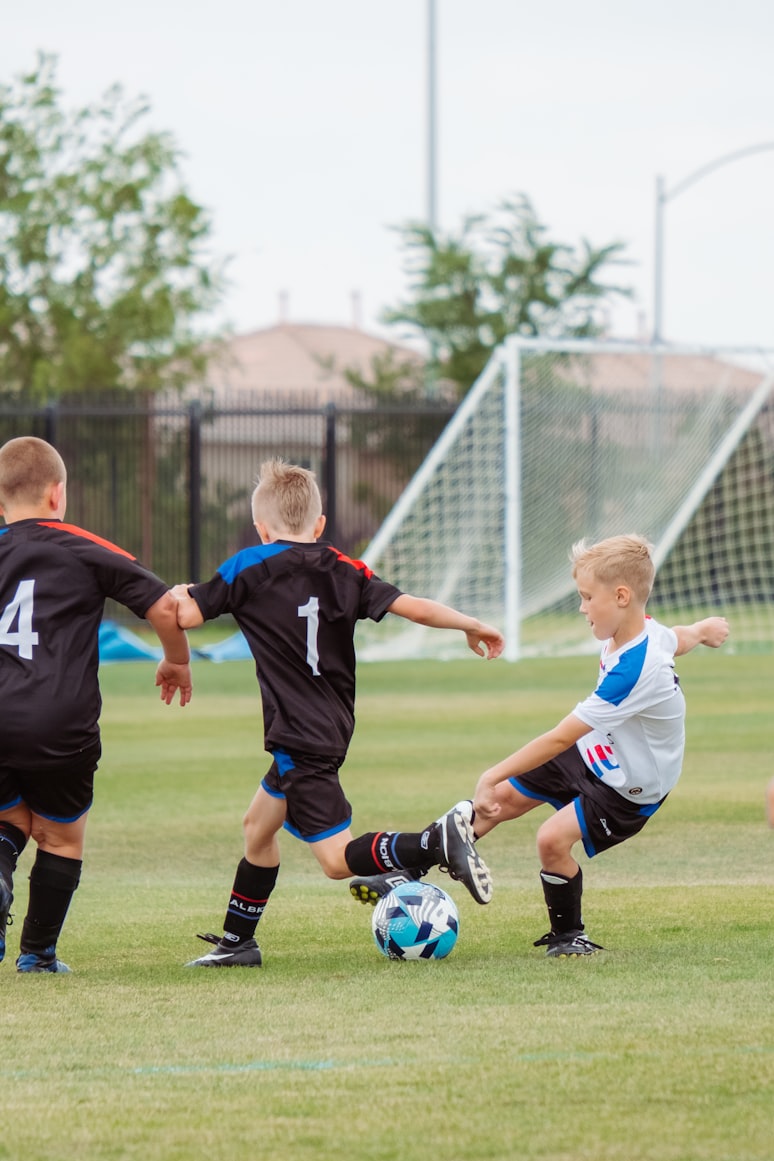

Local grassroots football clubs often struggle with visibility. Matches happen every weekend, players develop, and communities thrive - yet coverage remains limited to the occasional social media post or team newsletter. Meanwhile, local newspapers, community radio stations, and regional sports platforms actively seek authentic stories that resonate with their audiences.
The disconnect isn't about worthiness. Grassroots football delivers compelling narratives: young players overcoming challenges, volunteers transforming communities, and clubs fostering inclusion. The gap exists because clubs rarely approach media outlets systematically, and journalists don't always know which clubs can deliver reliable content.
Football media partnerships bridge this divide. When structured properly, these relationships amplify club visibility, strengthen community connections, and provide media outlets with consistent local content. For volunteer managers juggling training sessions and fixture scheduling, understanding how to build football media partnerships efficiently makes the difference between remaining invisible and becoming a recognised community asset.
Understanding What Local Media Actually Needs
Local journalists face the same time pressures as grassroots football managers. Regional newspapers operate with skeleton staff. Community radio stations rely on volunteers. Online platforms publish multiple stories daily to maintain relevance.
These outlets need three things: reliable sources, ready-to-publish content, and stories that engage their specific audience. A club that provides these becomes valuable, not burdensome.
Reliability matters most. Journalists remember which clubs respond quickly, provide accurate information, and follow through on commitments. A manager who promises player interviews, then disappears, damages future opportunities. Conversely, consistently delivering what was promised - even for small stories - builds trust that leads to bigger features.
Providing Ready-to-Publish Content
Ready-to-publish content reduces editorial workload. This doesn't mean writing full articles (though some platforms welcome this). It means providing clear facts, correct spellings, quality images, and quotable statements. When a journalist can turn a club's submission into a published piece within 30 minutes, that club gets prioritised.
Aligning Stories with Audience Interests
Audience alignment determines whether stories get published. A community newspaper covering multiple towns wants stories that resonate with those specific readers. Pitching a generic "we won 3-1" holds no appeal. Framing the same match as "Local Derby Raises £500 for Village Hall Repairs" connects with community interests.
Understanding these needs transforms how clubs approach media relationships. Rather than asking "Will they cover us?", effective managers ask "What can we provide that makes their job easier?"
Identifying the Right Media Partners for Grassroots Football
Not all media outlets suit every club's goals or capacity. A youth football team in rural areas has different opportunities than an adult Sunday league side in urban centres.
Local Newspapers and Community Publications
Local newspapers remain surprisingly influential in grassroots football communities. Parents buy papers featuring their children. Local businesses advertise in publications that demonstrate community engagement. Weekly papers particularly welcome regular contributors who understand their deadlines and style.
Start with the publications that cover the area where most players and families live. Many clubs make the mistake of targeting the largest regional paper whilst ignoring the smaller community publications that actually reach their core audience.
Community Radio Stations
Community radio stations offer different advantages. Phone-in shows welcome manager interviews. Match day commentary slots let clubs broadcast to supporters who cannot attend. Sports round-up segments need weekly content from reliable sources.
Radio requires different skills from print. Managers must speak clearly, avoid long pauses, and deliver information concisely. However, the personal connection radio creates often proves more powerful than written coverage.
Online Sports Platforms and Local News Websites
Online sports platforms have proliferated across UK regions. Some focus on specific counties, others cover particular age groups or competition levels. These platforms publish frequently and often welcome contributed content more readily than traditional media.
Research which platforms cover the leagues the club competes in. Many grassroots football leagues maintain media partnerships with specific outlets, providing natural entry points for member clubs.
Local news websites and blogs frequently seek community content. Parish council websites, town forums, and neighbourhood platforms all publish sports updates. Whilst reach may seem limited, these channels often connect directly with families deciding which club to join.
The most effective approach targets 2-3 outlets initially. Attempting to maintain relationships with a dozen platforms overwhelms volunteer managers and dilutes content quality. Build success with core partners before expanding.
Creating Content That Media Outlets Want to Publish
Grassroots football generates dozens of potential stories weekly. The challenge lies in packaging these narratives for media consumption.
Transforming Match Reports
Match reports represent the most common submission, yet most fail to interest editors. "Under-12s win 4-2 against local rivals" lacks context. Transform this by adding elements that create broader appeal:
Community connection: "Village Derby Draws 150 Spectators to Support Youth Football"
Player development: "Goalkeeper's Penalty Save Caps Three-Year Journey from Beginner to County Trials"
Human interest: "Returning Player Scores Hat-Trick Six Months After Injury"
The football result becomes the framework, not the story itself. Editors publish pieces that make readers feel something or learn something beyond the scoreline.
Feature Stories About Club Individuals
Feature stories about individuals within the club provide stronger media content. Volunteer profiles, player journeys, coach qualifications, and committee members overcoming challenges all resonate with community audiences.
These stories require more preparation than match reports but generate significantly better coverage. A 15-minute conversation with a parent-coach about why they volunteered, combined with a decent photograph, produces content that newspapers feature prominently.
Initiative and Event Coverage
Initiative and event coverage attracts media attention when framed around community impact. A club fundraiser isn't just about raising money - it demonstrates community support, provides family entertainment, or addresses local needs.
Document these events properly. Take photographs throughout (ensuring parental consent for youth players). Record attendance figures. Capture quotes from participants. Calculate total funds raised or community members engaged. These details transform "we held a fun day" into "500 Residents Attend Football Club Festival, Raising £2,000 for Local Hospice".
Statistical Milestones as Media Hooks
Statistical milestones create natural media hooks. A player's 100th appearance, a manager's 50th match, a club's anniversary, or a team's unbeaten run all provide frameworks for stories. Track these milestones using a team management app to ensure opportunities aren't missed.
The key principle remains consistency. Media outlets value clubs that provide regular content, not those that submit occasionally when something extraordinary happens. Establishing a rhythm - such as a weekly match report plus a monthly feature - builds relationships more effectively than sporadic submissions.
Establishing Initial Contact with Media Partners
Cold approaches to journalists rarely succeed. Effective initial contact requires research, timing, and clear value propositions.
Research Before Approaching Journalists
Research individual journalists before making contact. Most local outlets list staff online. Identify who covers grassroots sport specifically. Read their recent articles to understand their style and interests. Reference this research when making contact: "I noticed your recent piece on youth football development" demonstrates genuine engagement rather than mass outreach.
Timing Your Outreach
Timing matters significantly. Newspapers work to weekly deadlines, usually mid-week for weekend editions. Avoid contacting journalists on their busiest days (typically the day before publication). Early in the week allows time for consideration and follow-up.
Radio stations often plan segments several days ahead while maintaining flexibility for breaking stories. Understanding each outlet's workflow prevents submissions from arriving too late or too early.
Crafting Effective First Contact
Initial contact should be brief and specific. A successful first approach includes:
Clear subject line: "Local Football Club - Community Story Opportunity"
Brief introduction: Club name, league, location
Specific story pitch: One compelling narrative with clear community relevance
Evidence of newsworthiness: Why this matters to their audience
Contact details and availability
Avoid sending lengthy histories of the club or multiple story ideas. Journalists make quick decisions about whether content suits their needs. Provide enough information to assess relevance, nothing more.
Offer specific value immediately. Rather than asking "Would you cover our club?", propose "Our under-14s manager recently completed FA Level 2 coaching whilst working night shifts as an NHS nurse. She's available for an interview about combining coaching with frontline work." This gives the journalist a complete story concept requiring minimal additional effort.
Professional Follow-Up Practices
Follow up professionally but not persistently. If no response arrives within a week, one polite follow-up is appropriate. Beyond that, move to a different story pitch rather than repeatedly pushing the same content.
Some managers find face-to-face introductions more comfortable. Attending local media events, introducing oneself at community gatherings, or visiting newspaper offices during quiet periods can establish personal connections that email cannot achieve.
Maintaining Long-Term Media Relationships
Securing initial coverage represents only the beginning. Sustainable football media partnerships require ongoing attention and professionalism.
Prompt Response to Media Requests
Respond promptly to media requests. When a journalist contacts the club seeking information, comment, or interview, prioritise this above almost everything else. Journalists work to tight deadlines. A manager who responds within an hour becomes their reliable source. One who takes three days becomes their former contact.
This responsiveness applies even when the answer is negative. "I can't help with this, but could connect you with someone who can" maintains the relationship, whilst "Sorry, too busy" damages it.
Ensuring Accuracy and Professionalism
Provide accurate information consistently. Journalists who publish incorrect facts based on club information face professional consequences. They remember which sources caused problems. Double-check spellings, ages, scores, and dates before submitting anything.
Using digital tools like football coaching apps helps maintain accurate records that can be quickly referenced when media requests arrive. Having reliable data immediately available makes responding to journalists efficient rather than stressful.
Respect embargo agreements and off-record conversations. If a journalist requests information not to be published until a specific time, honour this absolutely. If something is discussed off-record, never expect to see it in print. These professional courtesies distinguish reliable sources from problematic ones.
Keeping Content Fresh and Varied
Vary the content to maintain interest. Submitting identical match reports weekly leads to diminishing returns. Alternate between match coverage, feature stories, community initiatives, and human interest pieces. This variety keeps the club's media presence fresh whilst demonstrating the breadth of grassroots football's community impact.
Acknowledge and share published coverage. When a story appears, thank the journalist publicly. Share the article through club channels, tag the outlet on social media, and encourage families to engage with the content. This demonstrates appreciation whilst showing the journalist that their work reached an audience.
Media outlets increasingly track online engagement. Stories that generate shares, comments, and clicks get prioritised. Clubs that drive this engagement become more valuable partners.
Invite media to events. When hosting tournaments, presentation evenings, or community initiatives, extend invitations to local journalists and photographers. Even if they cannot attend, the invitation maintains visibility and may lead to coverage of future events.
Overcoming Common Media Partnership Challenges
Even well-intentioned partnerships encounter obstacles. Understanding common challenges helps managers navigate them effectively.
Dealing with Lack of Response
Lack of response frustrates many clubs. Journalists receive dozens of pitches weekly. Most go unpublished, not because they're poor but because space is limited. Rather than taking silence personally, successful managers simply move to the next story or outlet.
Track which types of stories generate responses. If match reports never get published but community initiatives always do, adjust the content mix accordingly.
Handling Inaccurate Coverage
Misquoted or inaccurate coverage occasionally happens. When this occurs, contact the journalist calmly, explain the error, and request a correction or clarification. Most outlets publish corrections for factual errors. Aggressive responses damage relationships; professional ones often strengthen them by demonstrating the club's commitment to accuracy.
Competing with Larger Clubs
Competing for attention with larger clubs is inevitable. Local media naturally covers professional and semi-professional teams more extensively. Rather than competing directly, grassroots clubs succeed by owning the community and human interest angles that larger clubs cannot provide.
A Championship club's 2-0 win interests sports fans. A grassroots club's refugee integration programme interests the broader community. Different stories serve different purposes.
Managing Time Constraints
Time constraints limit what volunteer managers can achieve. Building football media partnerships requires consistent effort that competes with coaching, administration, and personal commitments. The solution lies in delegation and systems.
Designate a specific volunteer as media liaison if possible. Create templates for common submissions. Use technology to streamline information gathering. A football management software that tracks statistics, attendance, and milestones reduces the time needed to compile media-ready information.
Safeguarding Youth Players
Safeguarding concerns around youth players require careful attention. Always obtain parental consent before providing names, photographs, or personal information to media outlets. Many clubs maintain a consent register updated annually, clearly documenting which players can be featured in external coverage.
When in doubt, err on the side of caution. The relationship with families matters more than any media coverage.
Measuring the Impact of Media Partnerships
Quantifying the value of media coverage helps justify the time investment and guides future strategy.
Direct Metrics and Reach
Direct metrics include the number of stories published, the frequency of coverage, and the prominence of placement. Track these monthly to identify trends. Increasing coverage indicates strengthening relationships; declining coverage suggests the need for strategy adjustment.
Reach and engagement matter more than quantity alone. A front-page feature in a community newspaper reaches more relevant readers than ten brief mentions in a regional sports round-up. Online coverage provides measurable data through views, shares, and comments.
Recruitment and Sponsorship Impact
Recruitment impact often correlates with media visibility. Many clubs notice an increase in enquiries following positive media coverage. Track when potential players or volunteers make contact and ask how they heard about the club. This data reveals which media partnerships deliver tangible results.
Sponsorship opportunities frequently emerge from media visibility. Local businesses notice clubs featured regularly in community coverage. This recognition makes sponsorship approaches more successful and may lead to businesses initiating contact.
Long-Term Community Perception
Community perception shifts gradually but significantly. Clubs featured regularly in local media become recognised community institutions. This status aids everything from facility negotiations to volunteer recruitment.
The impact extends beyond immediate metrics. A club consistently featured in local media becomes the default choice for journalists seeking grassroots football perspectives, creating a self-reinforcing cycle of visibility.
Conclusion
Football media partnerships transform club visibility when approached systematically. The process requires understanding what journalists need, identifying appropriate outlets, creating compelling content, establishing professional relationships, and maintaining consistent communication.
For time-pressed volunteer managers, this might seem like an additional burden. In practice, effective media partnerships save time by raising the club's profile organically. Families discover the club through media coverage rather than requiring individual outreach. Sponsors approach the club rather than needing lengthy persuasion. Players feel pride seeing their achievements recognised publicly.
The investment need not be substantial. Dedicating two hours monthly to media relationships - researching outlets, preparing story pitches, maintaining contact with journalists - generates returns that compound over time. Starting with one reliable media partner and expanding gradually prevents overwhelm while building the systems and confidence needed for broader outreach.
Technology streamlines much of this process. Platforms like TeamStats maintain the accurate records, statistics, and milestones that transform routine football activities into media-ready stories. When a journalist requests information about a player's development or a team's performance, having reliable data immediately available makes the difference between securing coverage and missing the opportunity.
Grassroots football deserves broader recognition. The volunteers dedicating evenings to coaching, the players developing skills and character, the families building community connections - these stories resonate far beyond the touchline. Media partnerships ensure these narratives reach the audiences they deserve, strengthening both individual clubs and grassroots football's position within local communities.
═══════════════════════════════════════════════════════════════