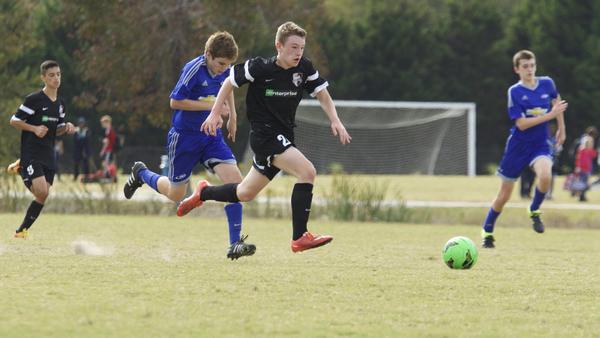
Youth football brings immense joy and development opportunities, but injuries can derail a young player's progress and enthusiasm. Coaches and parents share responsibility for protecting and developing athletes through carefully structured training programmes. Creating injury-preventive schedules requires understanding growth patterns, recovery needs, and progressive load management whilst maintaining the fun and skill development that makes grassroots football special.
Understanding Common Football Injuries in Youth Players
Types of Injuries Most Prevalent in Grassroots Football
Young footballers face distinct injury risks compared to adult players. Acute injuries such as ankle sprains, knee ligament strains, and muscle pulls typically occur during matches or intensive training sessions. These sudden-onset injuries often result from tackles, awkward landings, or rapid directional changes without proper preparation.
Overuse injuries present a more insidious threat to youth players. Repetitive stress on growing bones and soft tissues can lead to conditions like Osgood-Schlatter disease, stress fractures, and tendonitis. These injuries develop gradually when training loads exceed the body's capacity to recover and adapt.
Growth-related vulnerabilities require particular attention in youth football. During growth spurts, bones lengthen before muscles and tendons fully adapt, creating temporary periods of increased injury susceptibility. Coaches must recognise these developmental phases and adjust training intensity accordingly.
Risk Factors That Increase Injury Likelihood
Training volume represents one of the most significant controllable risk factors. Research consistently shows that excessive training hours without adequate recovery periods dramatically increase injury rates amongst young players. TeamStats helps coaches monitor training loads systematically, ensuring balanced schedules that prioritise player welfare.
Biomechanical factors also contribute substantially to injury risk. Poor movement patterns, inadequate core stability, and weak supporting musculature leave players vulnerable during dynamic football movements. Technical deficiencies in landing, cutting, and deceleration compound these physical limitations.
External factors, including pitch conditions, weather, and equipment quality, affect injury likelihood. Poorly maintained surfaces, inappropriate footwear, and inadequate protective equipment unnecessarily elevate risk levels that careful planning can mitigate.
The Science Behind Injury Prevention
How Progressive Training Protects Young Athletes
Football injury prevention centres on progressive overload principles - gradually increasing training demands to allow physiological adaptation. Young bodies need time to strengthen bones, develop muscle endurance, and improve neuromuscular coordination. Sudden spikes in training volume or intensity overwhelm these adaptive processes, leaving players vulnerable.
Periodisation strategies divide the season into distinct phases with varying training focuses. Pre-season emphasises building a physical foundation through conditioning work. In-season training maintains fitness levels whilst prioritising recovery between matches. Post-season provides essential rest for complete physical and mental regeneration.
Understanding football injury prevention requires recognising that adaptation occurs during recovery, not training. Microscopic tissue damage from training sessions needs adequate time to repair and strengthen. Insufficient recovery periods prevent this adaptation, leading to accumulated fatigue and eventual breakdown.
The Role of Recovery in Preventing Injuries
Rest days are non-negotiable components of effective training schedules. Young players should never train or compete on consecutive days without consideration of intensity and duration. Active recovery activities like swimming, cycling, or light skills work can facilitate blood flow and tissue repair without adding significant stress.
Sleep quality and duration profoundly impact injury risk. Growing athletes require 9-10 hours of sleep nightly for optimal physical development and cognitive function. Coaches should educate families about sleep hygiene and its critical role in youth football development.
Nutrition provides the building blocks for tissue repair and energy replenishment. Adequate protein intake supports muscle recovery, whilst carbohydrates restore glycogen stores depleted during training. Hydration status affects joint lubrication, temperature regulation, and overall performance capacity.
Building a Balanced Weekly Training Schedule
Structuring Training Sessions by Age Group
Age-appropriate training volumes form the foundation of injury-preventive scheduling. Players aged 7-11 should participate in 2-3 structured training sessions weekly, each lasting 60-75 minutes. This frequency allows skill development without overwhelming developing bodies.
Older youth players aged 12-16 can handle increased training frequency of 3-4 sessions weekly, with durations extending to 90 minutes. However, total weekly training and match time should never exceed 8-10 hours for this age group. Quality of training matters more than quantity for long-term development.
Balancing technical skill work with physical conditioning prevents both physical and mental burnout. Sessions should emphasise ball work, tactical understanding, and decision-making alongside appropriate physical preparation. Understanding 9-a-side tactics helps coaches design age-appropriate training that matches competitive demands.
Incorporating Injury Prevention Exercises
Every training session should begin with a structured warm-up lasting 15-20 minutes. Dynamic stretching, progressive movement patterns, and sport-specific activation exercises prepare bodies for intensive work. The FIFA 11+ warm-up programme provides an evidence-based template that reduces injury rates by approximately 30-50% when implemented consistently.
Strength and stability work integrated into regular training builds resilience against common football injuries. Bodyweight exercises focusing on core control, single-leg balance, and landing mechanics develop protective neuromuscular patterns. These exercises need not feel separate from football - creative coaches incorporate them through small-sided games and technical circuits.
Cool-down periods facilitate recovery initiation and provide opportunities for flexibility work. Static stretching after training, when muscles are warm, maintains range of motion and reduces muscle tension. These 10-minute sessions also offer valuable coaching moments for feedback and team bonding.
Progressive Load Management
Monitoring Training Intensity and Volume
The 10% rule provides a simple guideline for safe training progression - weekly training volume should not increase by more than 10% compared to the previous week. This conservative approach allows physiological adaptation whilst minimising injury risk. Sharp increases in training load, even for short periods, significantly elevate injury likelihood.
Recognising overtraining signs helps coaches intervene before injuries occur. Persistent fatigue, declining performance, mood changes, and increased injury complaints signal excessive training stress. Modern team management apps make tracking these indicators straightforward through simple wellness questionnaires and attendance monitoring.
Player feedback provides invaluable information about training load appropriateness. Encouraging open communication about fatigue, soreness, and energy levels creates a culture where players feel comfortable reporting concerns. This dialogue prevents the silent suffering that often precedes serious injuries.
Periodisation for Youth Football
Pre-season preparation typically spans 4-6 weeks before competitive matches begin. This phase emphasises general conditioning, technical refinement, and progressive integration of tactical concepts. Training intensity gradually increases whilst volume remains moderate, preparing players for competitive demands.
In-season training shifts focus toward maintaining fitness levels and recovering between matches. Training sessions become shorter and less physically demanding, prioritising tactical preparation and skill maintenance. Match day represents the peak weekly load, with training designed to support rather than compound physical stress.
Post-season recovery periods lasting 2-4 weeks allow complete physical and mental regeneration. Active rest involving different sports or unstructured play maintains general fitness without football-specific demands. This break prevents burnout and renews enthusiasm for the next season.
Technical Skills That Reduce Injury Risk
Proper Landing and Movement Mechanics
Jump landing technique significantly influences knee injury risk, particularly for female players. Teaching players to land with bent knees, hip flexion, and symmetrical weight distribution protects the anterior cruciate ligaments. Regular landing drills during warm-ups establish safe movement patterns that transfer to competitive situations.
Change of direction mechanics require specific attention in football injury prevention strategies. Players should learn to decelerate before cutting, maintain a low centre of gravity, and plant their feet underneath their body rather than reaching. These patterns reduce knee valgus stress that contributes to ligament injuries.
Acceleration and deceleration represent high-risk movements for muscle strains. Progressive sprint training that emphasises controlled acceleration rather than maximum speed reduces hamstring and quadriceps injury rates. Proper running mechanics with appropriate stride length and frequency protect vulnerable muscle groups.
Ball Control and Body Positioning
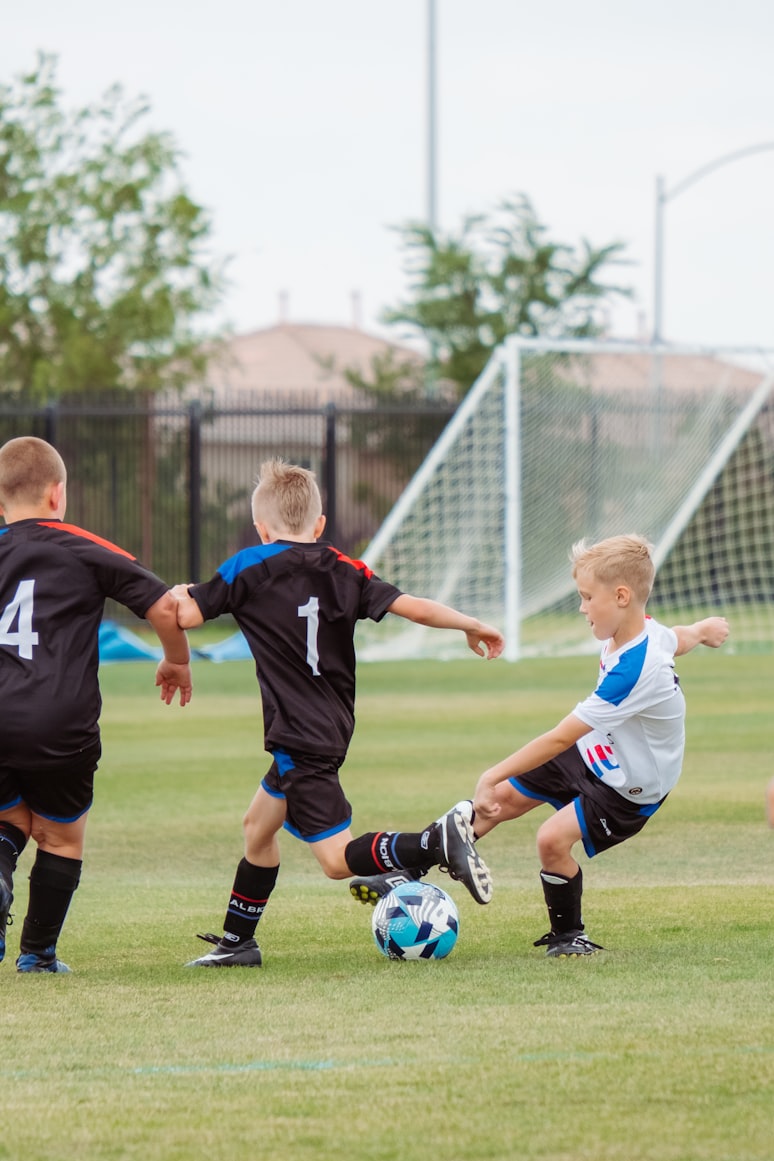
Safe tackling technique protects both the tackler and opponent. Teaching players to approach tackles side-on rather than head-on, use proper foot positioning, and avoid high challenges reduces collision injuries. Understanding proper defensive positioning through tactical formations minimises situations requiring desperate tackles.
Heading technique requires age-appropriate progression and mechanical training. Younger players should focus on proper neck muscle activation, forehead contact, and timing before introducing heading into competitive play. Many governing bodies now restrict heading volume for younger age groups, reflecting growing understanding of cumulative impact concerns.
Collision awareness and anticipation help players protect themselves in contact situations. Teaching players to recognise dangerous scenarios, brace appropriately, and avoid vulnerable positions reduces the severity of impact injury. This awareness develops through game understanding and tactical education rather than isolated drills.
Creating Position-Specific Prevention Strategies
Goalkeeper-Specific Considerations
Goalkeepers face unique injury risks requiring specialised prevention approaches. Diving technique training protects shoulders, wrists, and hips from impact injuries. Proper landing progressions starting on soft surfaces before advancing to harder grounds build confidence and mechanical proficiency.
Hand and wrist injuries occur frequently in goalkeeping. Strengthening exercises targeting grip strength, wrist stability, and finger flexibility prepare these structures for ball impact forces. Appropriate glove selection and regular equipment maintenance provide additional protection.
Repetitive strain prevention matters particularly for goalkeepers who perform high volumes of specific movements. Distribution practice, shot-stopping drills, and explosive movements should be carefully monitored to prevent overuse injuries. Cross-training activities that work different movement patterns provide balanced physical development.
Outfield Player Needs by Position
Defenders typically face higher collision and contact injury risks. Strength training, emphasising upper body and core stability, prepares these players for physical duels. Tactical awareness education reduces dangerous situations requiring desperate challenges.
Midfielders require exceptional endurance capacity, creating overuse injury vulnerability. Carefully managing training volume and ensuring adequate recovery between sessions protects these high-workload players. The number six position demands particular attention to load management, given defensive responsibilities.
Forwards perform frequent explosive movements, including sprints, jumps, and rapid directional changes. Hamstring and groin injury prevention through specific strengthening and flexibility work proves essential. Plyometric training develops elastic strength whilst teaching safe landing and take-off mechanics.
Environmental and Equipment Factors
Pitch Conditions and Training Surface Selection
Weather conditions significantly affect injury risk through surface hardness, traction, and visibility. Frozen or extremely hard surfaces increase impact forces during falls and strain joints during directional changes. Coaches should modify training content or relocate sessions when conditions become hazardous.
Surface type considerations balance injury prevention with performance development. Natural grass provides excellent cushioning but varies in quality and consistency. Artificial surfaces offer reliable playing conditions but may increase friction-related injuries like turf burn and potentially elevate joint stress during prolonged exposure.
Footwear selection matching surface conditions proves crucial for injury prevention. Appropriate stud configuration, boot fit, and sole flexibility affect both performance and injury risk. Educating players and parents about the importance prevents many preventable injuries.
Proper Equipment and Its Role in Prevention
Shin guards represent mandatory protective equipment for valid reasons - they significantly reduce lower leg impact injuries. Ensuring proper fit, appropriate size for age, and consistent use during all training and matches protects vulnerable shin bones from potentially serious injuries.
Age-appropriate ball sizes prevent wrist, hand, and heading-related injuries in younger players. Oversized balls create excessive forces during controlling, passing, and striking. Following governing body guidelines ensures equipment matches player capabilities.
Training equipment safety often receives insufficient attention. Goal stability, portable goal anchorage, and ball pump maintenance prevent tragic accidents. Regular equipment inspection should be standard practice for all grassroots clubs committed to player safety.
Communication and Monitoring Systems
Tracking Player Wellness and Fatigue
Simple monitoring tools provide actionable insights without overwhelming coaches or players. Brief pre-training questionnaires asking about sleep quality, muscle soreness, energy levels, and mood establish baseline wellness patterns. Significant deviations from individual norms trigger conversations and potential training modifications.
Parent communication plays a vital role in comprehensive injury prevention. Educating families about age-appropriate training loads, nutrition importance, and recovery needs creates supportive home environments. Regular updates about training schedules help parents plan adequate rest and nutrition for their young athletes.
Early warning signs, including persistent soreness, declining performance quality, and reduced enthusiasm, often precede injuries. Creating a team culture where reporting these concerns feels safe rather than weak enables preventive interventions. Coaches must respond supportively to these reports, reinforcing positive communication patterns.
Using Technology to Manage Training Loads
Digital tracking benefits extend beyond elite football into grassroots environments. Football coaching apps provide accessible platforms for attendance tracking, training load monitoring, and communication management. These tools transform injury prevention from reactive treatment to proactive management.
Data-driven decision-making removes guesswork from training schedule planning. Objective information about individual player loads, team-wide patterns, and historical injury rates informs smarter programming decisions. Technology democratises access to insights previously available only to professional clubs.
Systematic approaches to football injury prevention require consistent implementation supported by appropriate tools. Integrating monitoring systems into regular coaching routines ensures prevention strategies remain priorities throughout demanding seasons rather than being abandoned good intentions.
Conclusion
Building injury-preventive training schedules represents one of the most impactful responsibilities in grassroots football coaching. Through progressive load management, age-appropriate training volumes, position-specific strategies, and systematic monitoring, coaches create environments where young players develop safely while pursuing their football dreams.
The principles outlined above - gradual progression, adequate recovery, technical skill development, and environmental awareness - form interconnected protection layers. No single strategy prevents all injuries, but comprehensive approaches dramatically reduce risk whilst maintaining the quality training that drives improvement.
Implementing these strategies need not overwhelm busy volunteer coaches. Modern technology and systematic approaches make sophisticated injury prevention accessible to clubs at all levels. Start with foundational elements like appropriate training volumes and progressive load increases, then gradually incorporate additional protective strategies as capacity allows.
Long-term player development depends upon keeping young athletes healthy and enthusiastic throughout their grassroots football journeys. Investing time in injury-preventive training schedules pays dividends through reduced missed playing time, sustained motivation, and physical preparation for future competitive levels. Effective football injury prevention ultimately serves not just immediate safety but lifelong athletic participation and wellbeing.
═══════════════════════════════════════════════════════════════