
Let’s be honest: laps around the pitch aren’t anyone’s favourite part of football training. They’re repetitive, they sap motivation, and worst of all, they don’t feel connected to the game. But what if you could build football fitness with ball at your feet the whole time? Suddenly conditioning is more enjoyable, more relevant, and more effective.
The best grassroots coaches know that when players enjoy training, they put in more effort. And when that effort is spent working with the ball, every second contributes to match performance. This guide shows you how to blend conditioning and ball work, making fitness sessions sharper, more engaging, and more game-like.
Warm-Up Drills: Get Ready With the Ball
Static stretching has its place, but for footballers it’s far better to warm up dynamically , with the ball involved. A sharp warm-up builds rhythm, touches, and agility while prepping the body for high-intensity work.
Examples of ball-based warm-ups:
Ball Mastery: Start with touches using the inside, outside, and sole of the foot. Quick repetitions sharpen close control while increasing heart rate.
Dynamic Dribbling: Weave through cones, zig-zags, or figure eights. Encourage changes of pace and direction to mirror match conditions.
Passing Warm-Up: Begin with short passes, then increase distance and add movement. Finish with one-touch combinations to lift tempo.
For ideas on structuring technical warm-ups, see our guide to the best football formations , it shows how tactical setups influence warm-up design.
Key Takeaways:
Warm-ups should be dynamic and ball-based.
Combine touches, dribbling, and short passing.
Gradually raise intensity to prepare for the session.
Conditioning Games: Fitness in Disguise
The smartest way to build stamina is to hide it inside competitive games. Players don’t even notice how hard they’re working when the drill feels like match play.
Top conditioning games for football fitness with ball:
Keep Away (Rondo): A timeless favourite. High tempo, constant pressing, and sharp passing.
Possession Games: Limit touches or split into zones to increase movement and decision-making.
Transition Games: Quick switches between defence and attack build endurance and tactical awareness.
One of the toughest sessions I’ve run was a possession drill requiring 10 passes before attempting a shot. The players were shattered , but their speed of play and decision-making improved dramatically.
You can use the Team Management App to schedule these games, assign squads, and make sure everyone gets balanced playing time.
Key Takeaways:
Use games that mimic match demands.
Focus on possession, transitions, and quick reactions.
Adjust rules to raise or lower intensity.
Interval Training: Speed Meets Skill
Intervals are essential for match fitness , football is a game of sprints and short bursts, not long jogs. By adding ball work, you keep the training relevant and engaging.
Drill ideas:
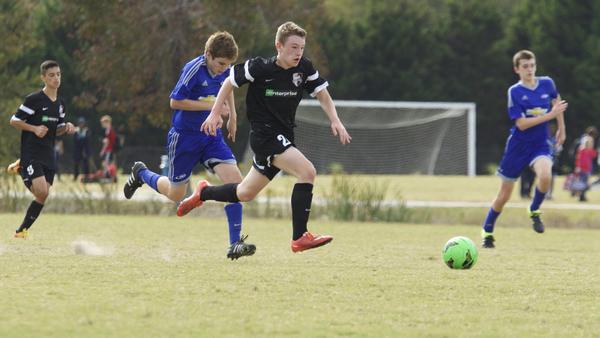
Dribbling Sprints: Sprint with the ball through cone channels, keeping control at speed.
Passing Intervals: Sprint to a cone, receive and return a pass, then sprint back. Builds stamina and sharpness.
Shooting Intervals: Sprint into shooting positions, finish quickly, then recover. Forces composure under fatigue.
For coaches of younger squads, see our guide on the best 7-a-side football formations , it shows how small-sided setups link directly to interval work and pressing.
With TeamStats’ Analyse feature, you can track sprint speeds, accuracy, and fatigue levels, giving you a clear picture of player progress.
Key Takeaways:
Football fitness should mimic the sport’s stop-start rhythm.
Combine sprints with dribbling, passing, and finishing.
Focus on technique under pressure.
Small-Sided Games: The Ultimate Test
If there’s one drill that delivers everything , fitness, skill, and tactical awareness , it’s small-sided games.
Examples:
3v3, 4v4, or 5v5: Limited space forces non-stop action, constant movement, and loads of touches.
Target Man Games: Involve a “pivot” player to develop hold-up play, awareness, and strength.
Conditioned Games: Add rules (limited touches, mandatory wide play, or overloads) to challenge players tactically and physically.
For tips on linking fitness with tactical learning, check our 9-a-side tactics guide , it shows how small-sided games bridge fitness and strategy.
Record these games and share them with players using the Communicate feature, helping highlight improvements in both conditioning and decision-making.
Key Takeaways:
Small-sided games are the best mix of skill and conditioning.
Limited numbers ensure intensity and quick decisions.
Adjust rules to target specific fitness and tactical goals.
Cool-Down: Recover With the Ball
Too many teams finish training with nothing more than a jog and a quick stretch. But even recovery can involve the ball.
Ball-based cool-down options:
Light Dribbling: Soft touches to ease the body down.
Passing Circles: Slow, controlled passes to relax muscles while reinforcing technique.
Stretching With the Ball: Use the ball for balance during stretches, targeting key muscle groups.
For a wider look at building sustainable energy and avoiding fatigue, see our post on grassroots football fundraising ideas , financial backing often unlocks better equipment and recovery resources.
Key Takeaways:
Cool-downs should combine relaxation and ball work.
Use dribbling, passing, and stretching for recovery.
Keep the atmosphere light to end sessions positively.
Tracking Progress With TeamStats
How do you know if your new ball-based conditioning drills are actually improving fitness? That’s where TeamStats comes in.
Analyse: Track sprint times, passing accuracy, and distances covered.
Organise: Plan and balance conditioning sessions.
Communicate: Share feedback, highlight video clips, and keep parents informed.
With these tools, coaches can deliver structured, professional-quality training that directly supports match performance.
Final Thoughts
Gone are the days when fitness training meant endless laps and exhausted faces. Today’s grassroots coaches can deliver conditioning in ways that are engaging, skill-focused, and far more relevant to match demands.
By weaving football fitness with ball into warm-ups, intervals, possession games, and cool-downs, you create sessions that players actually look forward to. The result? A fitter, sharper, more confident squad.
Actionable Next Steps
Swap static warm-ups for ball-based drills.
Add a conditioning game to your next training.
Replace shuttle runs with ball-based intervals.
Use TeamStats to plan, track, and review progress.
Explore our tactical blogs like best football formations to connect conditioning with match setups.
Your players will be fitter, sharper, and far more engaged. And best of all , they’ll improve their touch and decision-making while building stamina.