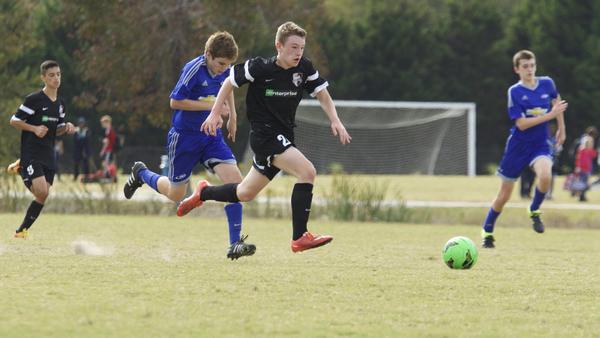

Grassroots football coaches face challenges that extend far beyond match tactics and training drills. A parent-coach managing an under-12s team juggles player development, parent communication, safeguarding responsibilities, and administrative tasks - often with minimal coaching qualifications and limited time. The isolation of this role leads to burnout, inconsistent coaching standards, and ultimately affects player development.
Research from the Football Association shows that 40% of grassroots football coaches leave the role within two years, frequently citing lack of support as a primary factor. Yet coaches who establish strong support networks report higher satisfaction, improved coaching outcomes, and longer tenure in their roles. A football coaching network provides the foundation for sustainable coaching practice, connecting volunteers with the resources, knowledge, and emotional support necessary to thrive.
Why Coaches Need Support Networks
The volunteer nature of grassroots football creates unique pressures. Unlike professional coaches with dedicated support staff, grassroots managers often work in isolation. A football coaching network addresses several critical needs that transform coaching effectiveness and sustainability.
Knowledge Sharing and Development
Experienced coaches possess tactical insights, session planning techniques, and behaviour management strategies that newer volunteers desperately need. Without structured knowledge transfer, each coach reinvents solutions to common challenges - wasting time and limiting player development quality.
Emotional Support and Resilience
Managing demanding parents, handling player conflicts, and balancing competitive results with long-term development creates significant stress. Coaches who can discuss these challenges with peers who understand the grassroots context develop better coping strategies and maintain perspective during difficult periods.
Resource Efficiency
Coaches within networks share training equipment, session plans, and administrative templates. This collaboration reduces individual workload and improves resource access for clubs with limited budgets. A team management app can facilitate this resource sharing whilst tracking what works across different age groups.
Accountability and Standards
Peer networks naturally establish quality benchmarks. Coaches observe each other's sessions, provide constructive feedback, and collectively raise standards. This informal quality assurance proves particularly valuable in leagues where coaching qualifications vary significantly.
Building Your Coaching Network Foundation
Establishing a football coaching network requires intentional effort rather than hoping connections form organically. Start with these foundational steps that create lasting coaching relationships.
Identify Existing Structures
Most grassroots coaches already belong to potential networks without recognising them. The club where coaches work likely has multiple managers across different age groups. Local County FAs run coaching courses and development programmes that connect coaches regionally. Grassroots football leagues host manager meetings and social events throughout the season.
Map these existing structures before building new connections. Attend club committee meetings, introduce yourself to coaches of other age groups, and participate in pre-season league gatherings. These established forums provide immediate access to experienced volunteers.
Connect with Coaches at Your Level
Whilst learning from experienced managers proves valuable, connecting with coaches at similar experience levels creates peer relationships based on mutual support rather than mentorship hierarchy. Other parent-coaches managing under-10s teams face identical challenges with small-sided games, parent expectations, and player development at that specific age.
Identify coaches within your league or neighbouring clubs who manage similar age groups. Arrange to observe each other's training sessions, discuss common challenges over coffee, and share resources. These peer relationships often develop into lasting friendships that sustain coaching careers through difficult periods.
Leverage Digital Platforms
Modern coaching networks extend beyond face-to-face interactions. Private Facebook groups, WhatsApp communities, and coaching forums enable daily knowledge exchange and problem-solving. When facing a selection dilemma on Friday evening, posting the scenario to a trusted coaching group provides multiple perspectives within hours.
However, digital connections require careful curation. Join groups with active moderation, clear purposes, and members coaching at similar levels. Avoid spaces dominated by complaints or negativity - these drain energy rather than providing support.
Formal vs Informal Support Structures
Effective football coaching networks blend formal and informal support mechanisms, each serving distinct purposes that strengthen overall coaching development.
Formal Network Elements
County FA coaching networks, FA-affiliated courses, and club coaching committees provide structured development opportunities. These formal settings establish baseline standards, deliver qualification pathways, and connect coaches with official resources.
The FA's coaching qualification system naturally creates networks among course participants. Coaches completing their Level 1 or Level 2 awards together often maintain contact, sharing experiences as they apply new knowledge. These relationships combine learning with peer support, reinforcing course content through practical discussion.
Club coaching committees offer another formal structure. Regular meetings of all club coaches enable consistent communication, aligned development philosophies, and coordinated player pathways. Clubs with strong committee structures report better coach retention and more coherent playing styles across age groups.
Informal Network Elements
Coffee conversations after training, WhatsApp exchanges about player issues, and spontaneous coaching observations create informal support that proves equally valuable. These relaxed interactions address immediate concerns without formal meeting structures.
Informal networks develop through proximity and shared experience. Coaches whose training sessions run simultaneously on adjacent pitches naturally observe each other's work, discuss challenges whilst packing equipment, and develop trusted relationships. Encourage these organic connections by arriving early to sessions and engaging with other coaches present.
Balancing Both Approaches
The most resilient coaching networks balance both approaches - formal structures provide development frameworks whilst informal relationships deliver day-to-day support and problem-solving.
Mentorship Within Coaching Networks
Mentorship represents a specific network relationship deserving focused attention. A structured mentorship pairing connects less experienced coaches with seasoned volunteers who provide guidance, observation, feedback, and career development support.
Finding the Right Mentor
Effective mentors combine coaching experience with a genuine interest in developing others. Look for coaches who demonstrate positive player interactions, maintain long-term involvement in grassroots football, and already support colleagues informally. The best mentors coach with humility, acknowledging that football knowledge constantly evolves.
Approach potential mentors directly, explaining specific areas where guidance would help. Rather than requesting vague "general mentoring", identify concrete needs: "Struggling with managing training intensity for mixed-ability groups" or "Would value feedback on session planning structure". Specific requests enable mentors to provide targeted support.
County FAs increasingly offer formal mentorship programmes matching newly qualified coaches with experienced volunteers. These structured schemes include observation frameworks, regular meeting schedules, and clear development objectives. Whilst more formal than organic mentorship relationships, they guarantee access to experienced guidance.
Being a Mentor
As coaches gain experience, contributing to others' development strengthens the broader football coaching network. Mentoring reinforces knowledge, exposes mentors to fresh perspectives, and ensures grassroots football quality improves across generations.
Effective mentoring focuses on asking questions rather than providing answers. When a less experienced coach describes a challenge, resist immediately offering solutions. Instead, ask: "What has been tried already?" and "What might work?" This approach develops independent problem-solving skills rather than creating dependency.
Connecting Across Different Coaching Contexts
Strong football coaching networks transcend individual clubs and age groups, connecting coaches across diverse contexts. This breadth provides exposure to different approaches and prevents insular thinking.
Cross-Club Relationships
Coaches often view managers from opposing clubs as competitors rather than potential collaborators. This adversarial mindset limits learning opportunities. The coach managing the next opponent likely faces identical challenges with player availability, parent communication, and tactical development.
Initiate cross-club connections through simple gestures - complimenting good play during matches, discussing the game briefly afterwards, or connecting via social media. Many leagues organise manager social events specifically to break down club barriers and foster collaborative relationships.
Some progressive leagues establish manager working groups that meet monthly to discuss shared challenges, coordinate fixture scheduling, and align on player development priorities. These structures recognise that grassroots football quality improves when coaches collaborate rather than compete on everything beyond the pitch.
Age Group Diversity
Under-7s coaches and under-16s managers face vastly different challenges, but both benefit from understanding the complete player development pathway. Coaches focused solely on their current age group miss crucial context about where players have come from and where they're heading.
Build relationships with coaches managing younger and older teams within clubs. Observe their sessions, discuss how player needs evolve across age groups, and align coaching approaches with the broader development pathway. This longitudinal perspective improves individual coaching decisions and creates smoother transitions as players progress through age groups.
Format Variation
Sunday league football operates differently from youth development football, yet both contexts offer valuable lessons. Youth coaches benefit from understanding the adult game their players aspire to reach, whilst adult managers can learn from youth football's emphasis on development over results.
Connect with coaches across different football formats - small-sided youth football, 11-a-side adult leagues, disability football, and women's football. Each context prioritises different aspects of the game, and exposure to this diversity prevents narrow thinking about coaching approaches.
Digital Tools for Network Building
Technology enables football coaching networks to function more effectively, connecting geographically dispersed coaches and facilitating resource sharing. Digital tools complement rather than replace face-to-face relationships.
Communication Platforms
WhatsApp groups enable real-time problem-solving and quick information sharing. Create separate groups for different purposes - one for club coaches, another for league managers, and perhaps a third for coaches met through FA courses. Clear group purposes prevent message overload and maintain relevance.
Facebook groups serve broader coaching communities, often organised by region or coaching qualification level. These larger forums provide access to diverse perspectives but require more active curation to find relevant content. Participate regularly rather than only posting when needing help - contributing to others' discussions strengthens network position.
Resource Sharing Systems
Coaches accumulate session plans, tactical diagrams, and player development resources throughout their careers. Digital platforms enable systematic sharing of these materials across networks. Cloud storage folders, coaching-specific platforms, and even simple email exchanges distribute resources efficiently.
When sharing resources, provide context about what worked, what didn't, and how plans were adapted for specific teams. Raw session plans without implementation notes offer limited value - the learning comes from understanding why certain approaches succeeded or failed.
Video Analysis and Feedback
Recording training sessions and matches enables remote observation and feedback from network contacts. Coaches can share specific clips highlighting challenges they're facing, receiving input from multiple perspectives without requiring physical presence.
This video-based feedback proves particularly valuable for tactical development. Describing defensive shape verbally creates ambiguity, but a 30-second video clip clearly shows positioning issues and enables specific guidance. Respect safeguarding requirements when recording youth sessions - obtain appropriate permissions and restrict video sharing to trusted coaching contacts.
Maintaining Network Health Over Time
Establishing a football coaching network represents just the beginning - sustaining these relationships requires ongoing effort and intentional maintenance.
Regular Communication
Networks atrophy without consistent interaction. Schedule regular touchpoints with key contacts - monthly coffee meetings with fellow club coaches, quarterly observations of each other's sessions, and informal check-ins via messaging platforms. Consistency matters more than frequency - monthly contact maintained over years builds deeper relationships than weekly interaction that fades after months.
Reciprocal Support
Healthy networks involve mutual exchange rather than one-directional help-seeking. When colleagues provide advice, session feedback, or emotional support during difficult periods, reciprocate by offering expertise and time. Networks collapse when certain members consistently take without contributing.
Track what's received from network relationships and ensure equivalent value is provided. If three different coaches have been asked for session planning help recently, proactively offer to observe their sessions or share resources they might find useful.
Celebrating Successes Together
Grassroots football involves considerable challenge and occasional frustration. Networks that only connect around problems become draining. Actively celebrate coaching successes - players who've developed significantly, teams that've shown tactical improvement, or simply sessions that went particularly well.
Share positive moments within networks, congratulate colleagues on their achievements, and recognise the collective impact coaching groups make on player development. This positive reinforcement sustains motivation during inevitable difficult periods.
Adapting to Changing Needs
Coaching networks must evolve as individual circumstances change. A parent-coach whose child ages out of youth football might transition to a different involvement, whilst a volunteer completing advanced qualifications may need connections with more experienced tactical coaches.
Regularly assess whether current networks meet developing needs. As coaching knowledge deepens, seek connections with more experienced mentors. If changing personal circumstances reduce available time, focus network energy on fewer but deeper relationships rather than maintaining superficial connections.
Overcoming Common Network-Building Barriers
Several obstacles prevent coaches from establishing effective support networks. Recognising these barriers enables proactive solutions.
Time Constraints
Volunteer coaches already struggle to fit training preparation, match attendance, and administrative tasks around work and family commitments. Adding network-building activities feels impossible. However, many network interactions require minimal additional time - arriving 15 minutes early to training enables conversations with other coaches present, whilst WhatsApp exchanges occur during existing downtime.
Reframe network-building as a time investment rather than a time cost. The session planning advice received from an experienced colleague saves hours of independent research. The emotional support during difficult periods prevents burnout that would end coaching involvement entirely.
Geographic Isolation
Rural coaches or those in areas with limited grassroots football infrastructure face genuine challenges connecting with peers. Digital networks partially address this barrier, though they cannot fully replace face-to-face relationships.
Maximise connection opportunities when they arise - attend regional FA courses even if they require travel, participate actively in league manager meetings, and consider occasional trips to observe coaches in neighbouring areas. These infrequent but intensive interactions can establish relationships that digital communication then sustains.
Competitive Mindsets
Some coaches resist sharing knowledge with managers from opposing clubs, viewing tactical insights or training methods as competitive advantages. This zero-sum thinking fundamentally misunderstands grassroots football's purpose.
Player development improves when all coaches in a league or region raise their standards. The team that defeats yours this season provides better competition that accelerates player development. Collaborative coaching networks improve football quality for everyone involved, including your own team.
Conclusion
Building a robust football coaching network transforms isolated volunteers into connected professionals who support each other through the challenges of grassroots football. These networks provide knowledge sharing, emotional support, resource efficiency, and accountability that individual coaches cannot achieve alone.
Effective networks blend formal structures like County FA programmes with informal peer relationships developed through proximity and shared experience. They connect coaches across clubs, age groups, and football formats, preventing narrow perspectives and exposing volunteers to diverse approaches. Digital tools enable these networks to function efficiently whilst complementing rather than replacing face-to-face relationships.
The investment required to build and maintain coaching networks pays dividends in improved coaching quality, enhanced job satisfaction, and ultimately better player development. Coaches who establish strong support systems report greater resilience during difficult periods, faster skill development, and longer tenure in their roles.
Start building your football coaching network today by identifying existing structures within clubs and leagues, connecting with coaches at similar experience levels, and leveraging both digital and in-person opportunities for relationship development. The grassroots football community thrives when coaches support each other, and contributions to this collaborative culture strengthen the game for everyone involved. TeamStats provides digital infrastructure that helps coaching networks share resources, coordinate activities, and maintain connections - supporting the human relationships that form the foundation of effective grassroots football coaching. Ready to strengthen coaching connections? Sign up to discover how digital tools can support collaborative coaching communities.
═══════════════════════════════════════════════════════════════