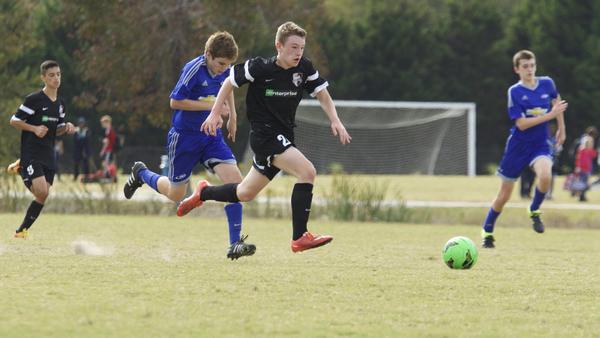

Coaching youth football is about much more than drills and match results, it’s about shaping young people’s confidence, teamwork, and love for the game. Finding the right balance between fun and discipline is one of the biggest challenges any youth coach faces. Too much structure and it feels like school; too little, and chaos takes over.
The truth is, fun vs discipline youth football isn’t an argument, it’s a relationship. When you blend both correctly, players stay motivated, parents stay supportive, and development becomes natural. The best coaches know when to loosen the reins and when to tighten them, creating an environment where learning and enjoyment coexist.
At the heart of this balance lies purpose: building better players and even better people.
Why Both Fun and Discipline Matter
Football at grassroots level should be exciting. The thrill of scoring, the joy of friendships, the laughter during training, these are the memories young players carry for life. Fun keeps them coming back.
But discipline gives structure to that excitement. It teaches respect, teamwork, and self-control, lessons that reach far beyond football. When young players understand boundaries, they learn to value effort and responsibility.
Balancing the two isn’t about choosing sides. It’s about teaching kids to enjoy the process while respecting the game.
Understanding the “Fun vs Discipline” Dynamic
In fun vs discipline youth football, both elements support each other. Fun motivates effort; discipline channels it.
Think of coaching as building a bridge. Fun is the enthusiasm that keeps players moving across it. Discipline is the structure that holds the bridge together. Without one, the other fails.
If training is too rigid, players lose joy. If it’s too relaxed, learning breaks down. The goal is to maintain momentum, making each session enjoyable but purposeful.
The Psychology Behind Motivation
Children learn best when they feel safe, valued, and challenged. A fun environment stimulates creativity and reduces anxiety, while discipline provides the framework to improve.
Sports psychologists often highlight “intrinsic motivation”, when players take part because they love the game, not just because they’re told to. Coaches can nurture this by celebrating effort, not just outcomes. Praise players for commitment, curiosity, and teamwork.
Structured fun builds better focus than strictness alone ever could.
Creating a Positive Coaching Culture
Every successful team begins with a positive environment. Coaches who balance fun and discipline understand that culture shapes behaviour.
Here’s how to build that foundation:
Set clear expectations: Explain team values early. Kids respond well when they know what’s expected.
Be consistent: Fairness breeds trust. Apply the same standards for everyone.
Encourage communication: Listen to players’ feedback. They often spot what works best.
Mix structure with spontaneity: Plan sessions that include variety, skills, games, and challenges.
This approach turns the fun vs discipline youth football debate into harmony. You’re no longer juggling opposites, you’re weaving them together.
Analogy: The Pendulum of Coaching
Imagine your coaching style as a pendulum. One side swings towards fun, laughter, creativity, and expression. The other swings towards discipline, focus, structure, and respect.
If it stays too long on either side, the balance breaks. But when it swings naturally between both, your team thrives. Some days you’ll need extra focus; other days, a lighter touch will work wonders. The best coaches read the room and adjust accordingly.
Practical Strategies to Combine Fun and Discipline
Blending fun and discipline requires intention. Here are proven strategies to achieve that balance in youth football:
1. Structure Training Around Play
Games-based learning is the sweet spot. Instead of repetitive drills, turn learning objectives into mini-games, possession challenges, small-sided matches, or timed skill competitions.
These formats encourage learning through enjoyment while keeping players focused. Platforms like TeamStats can help you log performance and track progress, ensuring sessions remain productive.
2. Establish Rituals
Rituals promote discipline in a fun way, team handshakes, pre-match chants, or quick warm-up games. They provide consistency and identity without feeling strict.
3. Reward Behaviour, Not Just Results
Celebrate players who demonstrate respect, teamwork, or persistence, not just those who score goals. Recognition builds character and motivates everyone equally.
Consider including achievements like these in your player recognition newsletter or weekly club updates, which can be easily managed using the TeamStats team management app.
4. Keep Feedback Positive and Constructive
Instead of criticising mistakes, frame them as learning opportunities. Youth football thrives on encouragement, every player develops at a different pace.
Anecdote: The Day the Whistle Broke
Coach Dan, who ran the fictional Meadowbrook Juniors, prided himself on discipline. Training started sharp, drills ran like clockwork, and talking during instructions was off-limits.
One day, his whistle broke mid-session. Without it, he had to adapt. Instead of ordering players into formation, he turned warm-ups into a game of tag, and ball control into a relay challenge. To his surprise, the players performed better, laughing, communicating, and learning more naturally.
From that day on, Dan realised that structure doesn’t need to be stern. The fun helped reinforce discipline, not replace it.
Integrating Fun into Tactical Learning
Tactical awareness can feel complex for young players. Turning concepts into interactive challenges makes them easier to understand.
If you’re teaching shape and spacing, use ideas from Best Football Formations. Create visual games that show how positions change with or without the ball. Ask players to “become” the formation, physically moving into the right shapes.
This method keeps attention high and helps tactical lessons stick. The structure remains, but the delivery feels like play.
The Role of Respect and Responsibility
Discipline isn’t just about following rules, it’s about developing respect. Teach players to set up equipment, tidy after training, and thank referees. These small habits create a sense of ownership.
A well-balanced environment helps players see that discipline isn’t punishment; it’s pride in doing things right.
The What Is Grassroots Football? article explains how these values are central to community-based clubs, where teamwork and respect build long-term success.
Handling Misbehaviour Positively
Even in the best environments, misbehaviour happens. The key is response, not reaction.
Instead of shouting or punishing harshly, use restorative conversations. Ask players what went wrong and how they’ll fix it. This approach teaches accountability, a life skill more valuable than any red-card lecture.
If a player continues struggling with focus, involve parents constructively. Keep communication consistent and professional.
With integrated systems like TeamStats, you can log attendance, behaviour notes, and progress, ensuring the entire coaching team stays informed.
Making Training Sessions Engaging
Structure doesn’t mean dull repetition. Training should challenge players physically and mentally while keeping energy high. Mix drills with fun activities such as:
Obstacle courses
Small-sided games
Skills competitions
“Beat the Coach” challenges
These techniques reinforce key principles without losing engagement.
You can even document standout moments for your next club newsletter or social post, showcasing that blend of discipline and joy that defines fun vs discipline youth football.
Parental Involvement: Setting Boundaries Together
Parents are vital partners in youth coaching. Their attitude towards fun and discipline shapes how players respond.
Communicate your philosophy early. Explain that laughter doesn’t mean a lack of focus, and rules don’t mean rigidity. Invite parents to observe sessions occasionally; transparency builds trust.
Share club updates through newsletters or the Grassroots Football Fundraising Ideas article’s examples of community involvement. When parents see positive progress, they reinforce your balance at home.
When to Prioritise Fun
There are moments when fun must lead. After a heavy loss, a stressful week at school, or a poor-weather session, lighten things up. Play non-competitive games or fun challenges that remind kids why they love football.
Enjoyment rekindles motivation and restores confidence. A joyful team is a resilient team.
When to Reinforce Discipline
At other times, discipline takes priority, especially before tournaments or when focus drifts. Remind players of expectations: punctuality, effort, teamwork.
Discipline doesn’t mean harshness. It means purpose. Structure helps players understand that every action, from attending training to encouraging teammates, matters.
If the pendulum swings too far toward leniency, structure pulls it back. That’s the beauty of balance.
A Coach’s Emotional Intelligence
Balancing fun and discipline relies on emotional awareness. The best coaches read moods, adapt tone, and lead by example. They know when to smile, when to pause, and when to push.
Emotional intelligence transforms a coach from instructor to mentor. It ensures every decision, tactical or emotional, supports player growth.
Articles like Best Football Formations can guide your technical planning, but emotional awareness shapes your coaching impact.
Analysing Long-Term Player Development
Balanced coaching builds players who stay in football longer. Kids who enjoy structured sessions develop discipline naturally. Those who only face strict regimens often burn out early.
By blending fun and discipline, you’re teaching transferable skills: communication, problem-solving, and resilience.
Use data-tracking tools within TeamStats to monitor attendance, match stats, and improvement trends. You’ll see how engagement correlates with performance, evidence that balance works.
Anecdote: The Cup Final Wake-Up Call
The fictional Elmwood Lions Under-12s reached their local cup final after a great season. But nerves got the better of them, they lost focus, argued on the pitch, and fell apart by half-time.
In the post-match talk, their coach didn’t shout. Instead, he asked: “Did you have fun out there?” The players shook their heads. He smiled and said, “Good. Because next time, we’ll train for joy as much as for discipline.”
The following season, they rebuilt their approach, more small-sided games, more laughs, more leadership from within. They didn’t just win matches; they rediscovered their spark.
Linking Club Culture to the Wider Football Community
Grassroots clubs that model balance often influence their local leagues and networks. Recognition spreads, other teams adopt similar values.
You can share your club’s approach through community pages, or submit stories to the Leagues Directory, where clubs like yours showcase achievements and values.
This visibility strengthens grassroots football collectively, proving that fun vs discipline youth football isn’t a dilemma, it’s a formula for lasting success.
Final Thoughts: Balance Is the True Art of Coaching
Fun keeps players inspired. Discipline keeps them growing. The best coaches blend both until they become indistinguishable, training sessions that feel like play, and play that teaches life lessons.
Youth coaching isn’t about control or chaos; it’s about harmony. When young players enjoy football within a respectful, structured environment, they don’t just become better athletes; they become better teammates and people.
By mastering that balance, you create more than players. You build confident, motivated, and respectful individuals who love the life game.