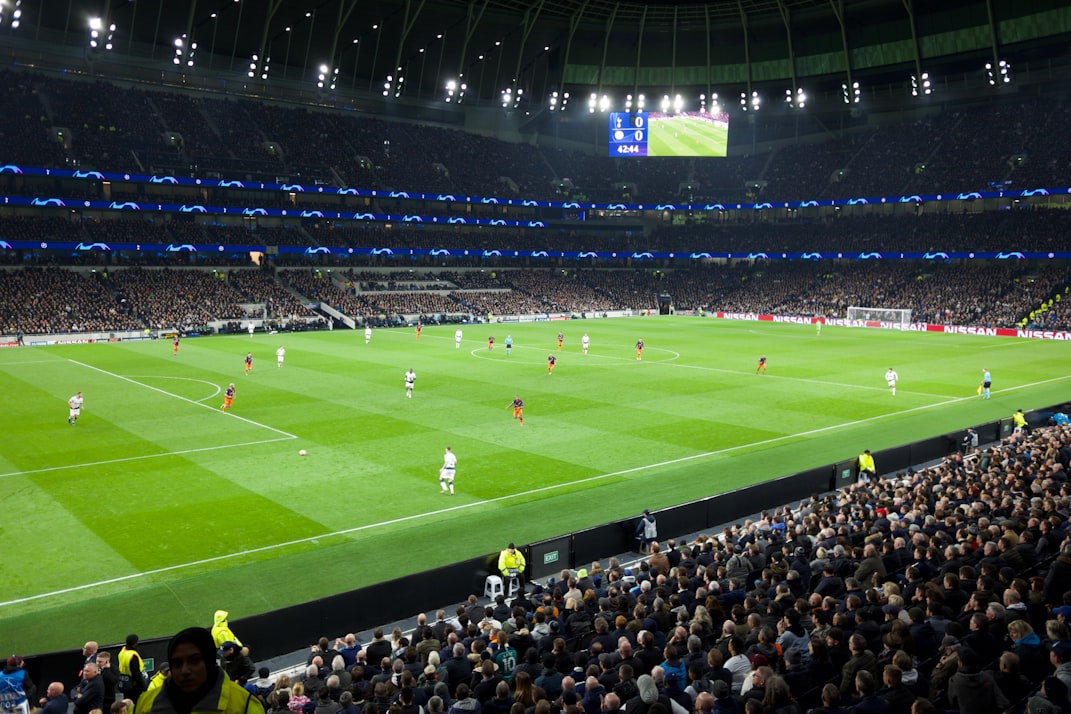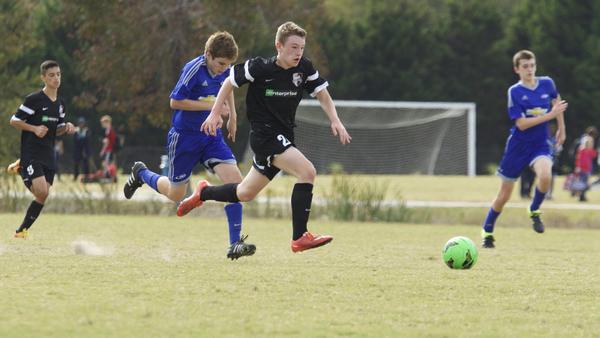

One of grassroots football coaching's greatest challenges involves balancing tactical discipline with creative freedom. Some coaches prioritise rigid structures, drilling players into fixed positions with minimal deviation permitted. Others embrace complete freedom, encouraging individual expression without tactical constraints. Neither extreme serves player development effectively. The optimal approach balances football tactical discipline with creative freedom, providing structure that organises teams whilst allowing space for individual brilliance.
This balance isn't simply philosophical preference - it affects match results, player development, and long-term footballing education. Teams with excessive discipline become predictable and struggle against opponents who adapt. Teams with unlimited freedom lack defensive organisation and fail when matches require resilience. Finding the appropriate balance creates teams that defend cohesively whilst attacking creatively, developing players who understand both tactical responsibility and individual expression.
The Case for Tactical Discipline
What Tactical Discipline Provides
Football tactical discipline establishes the organisational foundation enabling effective team performance. When defenders maintain positional discipline, teams protect goal-scoring opportunities. When midfielders honour their tactical responsibilities, teams control matches through superior positioning. When attackers understand pressing triggers, teams win possession in dangerous areas.
Defensive organisation depends entirely on discipline. Football formations only function when players maintain their assigned spaces, cover teammates appropriately, and communicate constantly. A single player abandoning position creates defensive vulnerabilities that organised opponents exploit ruthlessly.
Predictable patterns benefit teammates significantly. When full-backs know midfielders will drop to receive passes, build-up becomes fluid. When strikers recognise midfield runners consistently, through-ball opportunities emerge naturally. This predictability within team structure paradoxically enables creative moments because players anticipate teammate positioning accurately.
Team cohesion emerges from shared tactical understanding. Players who execute disciplined tactics develop trust because teammates fulfil expected responsibilities reliably. This collective reliability creates confidence that encourages intelligent risk-taking in appropriate moments.
When Structure Matters Most
Certain match situations demand non-negotiable discipline. Defensive transitions - moments when possession is lost - require immediate tactical discipline as players sprint back into defensive positions. Teams lacking this discipline concede goals through counter-attacks because defensive shape disintegrates.
Set-piece situations provide another context where discipline proves essential. Defensive corners require specific marking assignments and zonal responsibilities. Attacking set-pieces demand coordinated movement patterns and spacing discipline. Casual approaches to set-pieces cost teams numerous goals throughout seasons.
High-pressure match moments test tactical discipline severely. When protecting narrow leads during final minutes, teams need every player understanding defensive responsibilities. When chasing equalising goals, disciplined attacking patterns create better chances than desperate, unstructured pressure.
The Case for Creative Freedom
Benefits of Player Expression
Whilst structure provides foundation, creative freedom develops exceptional footballers. Individual skill development accelerates when players experiment with techniques, attempt ambitious passes, and try beating opponents through dribbling. Overly rigid coaching stunts this growth by punishing creative attempts that don't succeed immediately.
Problem-solving abilities emerge through freedom. When players face defensive pressure without prescribed solutions, they develop decision-making capabilities. Should they pass, dribble, or shoot? The ability to assess situations and choose appropriately represents sophisticated football intelligence that only develops through experiencing freedom.
Player enjoyment and engagement increase dramatically when expression is encouraged. Young footballers love the sport primarily because it allows creativity and individual brilliance. Coaching that eliminates these elements risks disengaging players, potentially causing them to abandon football entirely.
When Freedom Enhances Performance
Final third situations benefit enormously from creative freedom. When attackers reach dangerous positions, rigid instructions limit goal-scoring opportunities. A winger who must always cut inside misses crossing chances. A striker who must always check to feet ignores runs beyond defenders. Tactical approaches that permit final third freedom whilst maintaining midfield discipline balance structure with expression effectively.
Exploiting opposition weaknesses requires adaptive creativity. If opponents leave space behind their defensive line, attackers should make runs even if that contradicts standard positional discipline. If opposition full-backs push high, wingers should exploit space behind them. This situational awareness and creative response separates intelligent players from those following instructions robotically.
Developing match intelligence demands freedom to make decisions. Players who never choose tactical approaches themselves never develop genuine understanding. They become dependent on coaching instructions rather than thinking independently. Elite players at all levels demonstrate exceptional decision-making because they've developed this capability through experiencing freedom appropriately.
Age-Appropriate Balance
Younger Age Groups (Under-9 to Under-11)
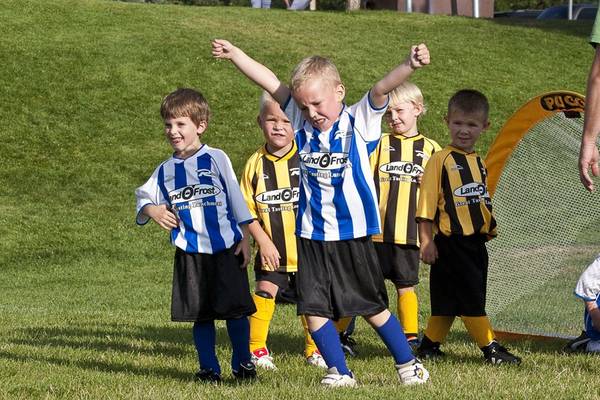
Young players need minimal tactical constraints. At this developmental stage, technical skill development, ball mastery, and football enjoyment take priority over tactical sophistication. Simple frameworks suffice: "Stay in your area of the pitch" and "Defend when we don't have the ball" provide sufficient structure without limiting creative exploration.
Encouraging experimentation accelerates learning. When young players attempt skills freely, they discover what works through trial and error. Some attempts fail, but this natural learning process builds capabilities faster than rigid instruction. Coaches should celebrate creative attempts regardless of immediate success.
Building confidence through freedom establishes positive relationships with football that last lifetimes. Players who associate football with joy, creativity, and expression continue playing throughout youth. Those who experience excessive tactical pressure often abandon the sport during adolescence.
Middle Age Groups (Under-12 to Under-14)
As players mature, introduce more tactical responsibilities whilst maintaining creative space. Football tactical discipline becomes important as matches increase in competitiveness and opposition develops better organisation. However, freedom remains crucial for continued development.
Structured freedom within systems represents the ideal approach. Players understand positional responsibilities and defensive duties but enjoy freedom in how they fulfil those responsibilities. A midfielder knows they must cover defensively but chooses whether to press aggressively or drop deeper based on match situations.
Developing positional understanding through 7-a-side formats teaches tactical concepts without overwhelming players. Smaller formats mean every player experiences multiple situations, building versatile tactical understanding that transfers to 11-a-side football later.
Older Age Groups (Under-15+)
Older youth players can handle complex tactical discipline whilst exercising creative freedom intelligently. At this stage, players understand formations, pressing systems, defensive transitions, and positional responsibilities comprehensively. The challenge becomes encouraging continued creativity within these sophisticated structures.
Calculated creative risks separate elite youth players from average ones. A defensive midfielder might normally play safely but recognises moments to drive forward with possession. A full-back typically maintains defensive discipline but identifies opportunities to overlap and create attacking overloads. This intelligent risk assessment represents advanced tactical maturity.
Preparing players for higher levels requires balancing discipline with expression. Professional and collegiate football demand both tactical compliance and individual quality. Players who have only experienced rigid discipline struggle when asked to solve problems creatively. Those who have only played with complete freedom fail when team tactics require personal sacrifice.
Implementing Balanced Tactics
Creating Clear Tactical Boundaries
Effective balanced tactics require clearly defined boundaries. Identify non-negotiable defensive responsibilities: tracking runners, maintaining defensive shape, pressing coordination, and transition speed. These elements demand discipline without exception because defensive security depends on collective commitment.
Flexible attacking principles enable creativity within structure. Rather than prescribing exact attacking movements, establish principles: "Create width," "Provide passing angles," "Move defenders out of position." These principles guide without restricting, allowing players creative freedom in execution.
Communication guidelines ensure tactical discipline without stifling expression. Players should understand when to communicate tactical instructions ("Hold your position!") versus when to encourage creative attempts ("Try taking him on!"). This balance maintains organisation whilst promoting confidence.
Training Exercises for Balance
Structured possession games develop both discipline and creativity simultaneously. Set up rondos where players must maintain positions (discipline) whilst attempting creative passes (freedom). Gradually increase complexity, adding opposition pressure that requires both organisational stability and individual quality.
Scenario-based training prepares players for different tactical demands. Practice defending narrow leads where discipline is paramount. Then practice chasing games where calculated risks become necessary. Experiencing both contexts helps players understand when each approach applies.
Decision-making drills explicitly develop the judgment required for balanced play. Present players with situations requiring choices: "Should you pass safely or attempt the through ball?" Discuss reasoning afterwards, developing the analytical thinking that enables appropriate risk assessment.
Using Formations That Enable Both
Certain formations naturally balance discipline with freedom. A 4-3-3 provides defensive stability through compact shape whilst encouraging wide players to express creativity. A 3-5-2 offers defensive security centrally whilst giving wing-backs freedom to influence attacks. Formation selection should consider both tactical discipline requirements and creative freedom opportunities.
Maintaining defensive shape doesn't require restricting all players. Designate specific players with primary defensive responsibilities whilst allowing others greater freedom. Perhaps central midfielders maintain strict positional discipline whilst wingers enjoy more creative license. This distribution balances team needs effectively.
Player roles with dual responsibilities develop versatile footballers. Full-backs defending diligently whilst attacking creatively exemplify this balance. Box-to-box midfielders maintaining defensive discipline whilst contributing attacking creativity demonstrate similar versatility. These roles teach that discipline and freedom aren't opposites but complementary qualities.
Managing Different Player Types
Disciplined Players Who Need Freedom
Some players naturally embrace tactical discipline but require encouragement to express creativity. These reliable, defensively solid players benefit teams but may limit their own development by playing too safely. Coaches should explicitly encourage creative attempts: "Try beating your opponent next time," or "Look for the difficult pass occasionally."
Build confidence gradually by celebrating creative attempts regardless of immediate outcomes. When disciplined players attempt ambitious actions, acknowledge the decision quality even if execution fails. This positive reinforcement develops comfort with calculated risk-taking.
Creative Players Who Need Structure
Conversely, naturally creative players often resist tactical discipline. These talented individuals might possess exceptional skill but undermine team organisation through positional indiscipline. Coaches must establish non-negotiable defensive responsibilities whilst preserving attacking freedom.
Explain how discipline enables creativity: "When teammates know where you'll be defensively, they trust you. That trust allows more freedom attacking." This perspective helps creative players understand structure as enhancing rather than limiting their impact.
Finding Each Player's Optimal Balance
Individual assessment determines each player's optimal balance point. Some players thrive with significant freedom, making excellent decisions independently. Others need more structure, performing best with clear tactical instructions. Effective coaching recognises these individual differences rather than applying uniform approaches.
Using team management tools helps track individual player development in both tactical discipline and creative expression. Document tactical compliance alongside creative contributions, identifying trends that inform coaching adjustments.
Communication and Coaching Language
Explaining Tactical Boundaries
Clear communication about expectations prevents confusion. Before matches, explicitly state which tactical elements require strict discipline and which permit freedom: "Defensive shape is non-negotiable. Final third decisions are yours to make." This clarity empowers players to exercise appropriate judgment.
Use positive language emphasising what players should do rather than criticising what they shouldn't. "Maintain your defensive position until we win possession" proves more effective than "Stop pushing forward too early." Positive framing maintains confidence whilst establishing boundaries.
Encouraging Smart Risk-Taking
Distinguish between intelligent risks and reckless decisions. Attempting a through ball that might split opposition defence represents smart risk-taking. Attempting extravagant skill moves when simple passes are available shows poor judgment. Help players understand this distinction through examples and discussion.
Celebrate creative attempts that don't succeed immediately. When players try ambitious passes that are intercepted, acknowledge the decision quality: "Good idea seeing that pass. Next time, hit it slightly earlier." This feedback encourages continued creativity whilst refining execution.
Post-Match Tactical Reviews
Balance tactical analysis between discipline and expression. Review defensive organisation and football tactical discipline, identifying moments when structure prevented opposition chances. Then examine creative moments, celebrating individual brilliance whilst discussing how to create more opportunities.
Involve players in analysis. Ask them to identify moments when tactical discipline proved crucial and times when creative freedom produced results. This reflective practice develops the metacognitive skills enabling balanced play independently.
Common Mistakes and Solutions
Over-Coaching and Stifling Creativity
Many coaches inadvertently stifle creativity through excessive instruction. Constantly shouting positional corrections from touchlines prevents players developing independent decision-making. This over-coaching creates dependent players who look toward coaches rather than reading matches themselves.
Solution: Trust players to solve problems during matches. Provide tactical instruction during training and pre-match preparation, then allow players freedom to execute during matches. Limit touchline coaching to encouraging communication and positive reinforcement.
Under-Coaching and Tactical Chaos
Conversely, some coaches provide insufficient tactical guidance, believing complete freedom always benefits players. This approach creates tactical chaos where teams lack defensive organisation and concede preventable goals. Players become frustrated by collective failure despite individual efforts.
Solution: Establish clear tactical frameworks before allowing creative freedom. Ensure players understand defensive responsibilities, positional discipline during transitions, and communication requirements. Structure provides the foundation enabling effective freedom.
Inconsistent Expectations
Changing expectations between matches confuses players. Demanding strict discipline one week then encouraging complete freedom the next prevents players developing consistent understanding. This inconsistency undermines both tactical discipline and confident creative expression.
Solution: Maintain consistent tactical philosophy throughout seasons. Whilst specific match plans might vary, core expectations regarding discipline and freedom should remain stable. This consistency enables players to internalise balanced approaches.
Measuring Success
Performance Indicators
Balanced tactics produce measurable outcomes. Defensively, teams maintain strong organisation statistics: goals conceded, defensive errors, and clean sheets. Offensively, creative freedom generates attacking metrics: goals scored, chances created, and successful dribbles. Monitoring both categories reveals whether balance exists.
Process metrics matter alongside results. Do players maintain defensive shape consistently? Do they attempt creative actions in appropriate moments? These process indicators predict long-term success more accurately than short-term results.
Player Development Markers
Individual player growth demonstrates successful balance. Players should develop both tactical understanding and technical creativity simultaneously. Assessment should consider positional discipline, defensive work rate, creative contributions, and decision-making quality.
Track how players progress in both areas over time. A winger who initially ignored defensive responsibilities but now tracks back diligently whilst maintaining creative attacking play demonstrates successful development. This holistic growth represents coaching effectiveness.
Team Culture Assessment
Team culture reveals balance quality. Do players trust each other tactically? Do they encourage creative attempts from teammates? Is there collective resilience when structure is tested? Positive answers indicate healthy balance between discipline and freedom.
Player enjoyment and engagement remain crucial measures. Successful balance produces teams where players enjoy competing, feel empowered to express creativity, and appreciate collective tactical organisation. This positive culture sustains participation and maximises development.
Conclusion
Balancing freedom and discipline in tactics represents sophisticated coaching that recognises both structure and creativity as essential elements of football development. Football tactical discipline provides the organisational foundation enabling team success, whilst creative freedom develops the individual quality that distinguishes exceptional players. Neither element alone suffices - effective coaching integrates both, creating teams that defend cohesively and attack imaginatively.
Age-appropriate implementation ensures this balance serves developmental needs. Younger players need minimal tactical constraints with maximum creative freedom. Older players handle sophisticated tactical discipline whilst exercising intelligent creative risks. Throughout development, clear communication, appropriate training exercises, and consistent expectations enable players to internalise balanced approaches.
The long-term benefits justify the coaching investment required. Players who develop both tactical discipline and creative freedom become versatile, intelligent footballers capable of adapting to various coaching philosophies and competitive levels. They enjoy football more because they experience both collective success and individual expression. Get started building this balance systematically through structured approaches that document tactical development whilst celebrating creative growth across your entire squad.
═══════════════════════════════════════════════════════════════