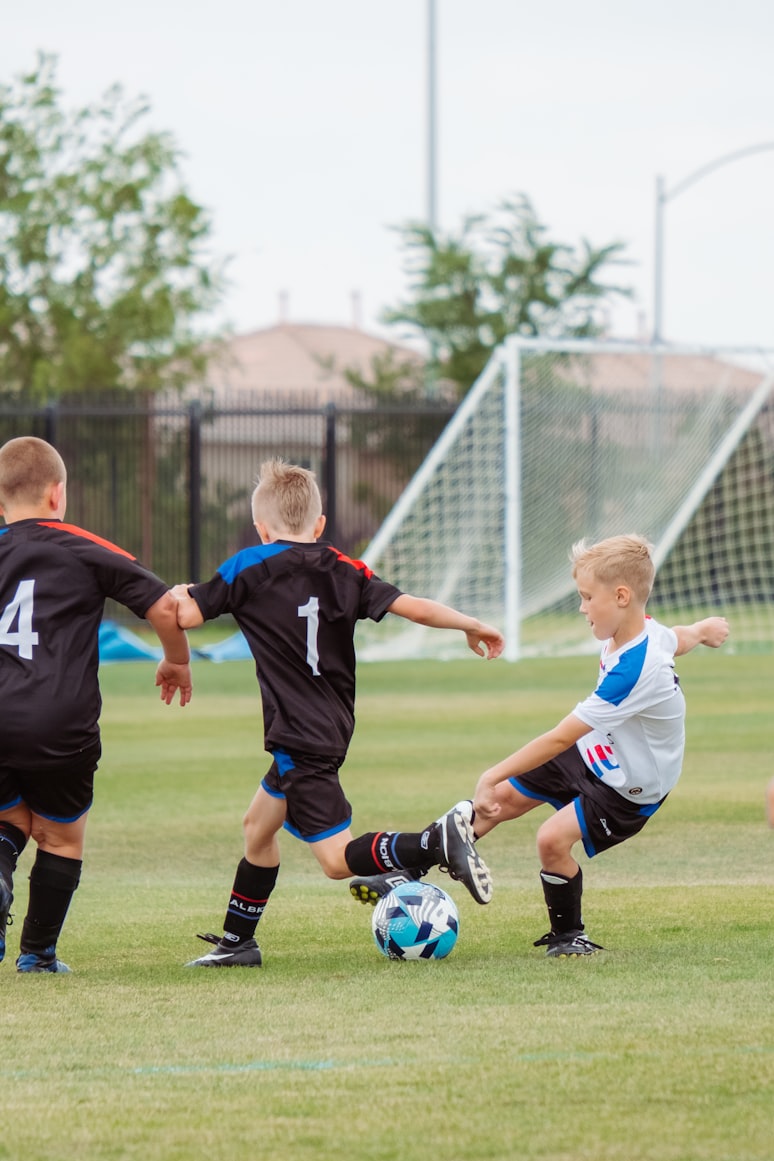

Training sessions represent the most frequent opportunity for player development assessment, yet many grassroots football coaches rely exclusively on match performance for evaluation. Every drill, exercise, and practice game generates valuable data that reveals technical progress, tactical understanding, and physical development. Learning to integrate football analytics into regular training transforms subjective impressions into objective evidence that guides more effective coaching decisions and personalised player development.
Analytics need not require expensive technology or complex statistical knowledge. Simple measurements, tracked consistently across weeks and months, reveal patterns that are invisible to observation alone. Recording basic metrics like passing accuracy, shooting success rates, or drill completion times provides concrete evidence of improvement, identifies persistent weaknesses, and motivates players through visible progress. Grassroots coaches who apply systematic measurement discover insights that dramatically improve coaching effectiveness.
Digital platforms simplify data collection and organisation, making sophisticated tracking accessible at every level. Starting with manual recording establishes beneficial habits before progressing to automated solutions. Consistency matters more than complexity, as regular tracking of fundamental metrics proves more valuable than sporadic collection of advanced statistics.
The Value of Training Analytics in Youth Football
Why Training Data Matters as Much as Match Data
Matches occur weekly at most grassroots levels, which limits performance assessment opportunities. Training sessions typically happen multiple times weekly, generating significantly more evaluation data. Coaches who track training performance build comprehensive player profiles that reveal development trajectories missed by occasional match observations. This frequency advantage makes training analytics foundational for effective youth football development.
Training environments offer controlled conditions that enable fair comparisons across time. Match performance fluctuates based on opposition quality, weather conditions, and countless contextual variables that complicate meaningful comparison. Training drills, conducted under consistent conditions, provide reliable baselines for measuring genuine progress rather than circumstantial variation.
Early identification of development patterns enables proactive coaching interventions. Players who struggle with specific technical skills become apparent through training analytics long before match performances suffer noticeably. This early awareness allows addressing problems whilst they remain manageable, rather than after they have become entrenched habits that limit player potential.
Individual attention proves easier during training than during matches. Coaches can focus measurement efforts on specific players requiring detailed assessment without compromising team performance. This flexibility supports personalised development approaches that recognise youth football players' progress at varied rates and require individualised attention.
Common Misconceptions About Training Analytics
Many grassroots coaches assume analytics require expensive technology beyond their budget. Whilst professional clubs employ sophisticated systems, effective training analytics begins with simple manual recording that requires only notebooks and basic organisation. Coaches who track completion rates, successful attempts, and drill times using pen and paper gather sufficient data for meaningful insights.
Another misconception suggests analytics complicate training unnecessarily, reducing enjoyment and spontaneity. Properly implemented measurement integrates seamlessly into existing drills without disrupting flow or diminishing fun. Players often embrace tracking their progress, finding motivation in measurable improvement rather than feeling burdened by measurement.
Some coaches believe analytics suit only older, advanced players, whilst younger children require purely recreational approaches. However, age-appropriate measurement benefits all development stages. Young children who track simple metrics like consecutive passes completed or shots on target develop healthy attitudes toward improvement and self-assessment from early ages.
The notion that analytics replace coaching intuition and experience represents perhaps the most damaging misconception. Effective analysis complements, rather than substitutes, coaching judgement. Data reveals patterns that require interpretation through experienced coaching lenses. Analytics identifies what happens, whilst coaches determine why and how to respond appropriately.
Essential Metrics to Track During Training
Physical Performance Indicators
Distance covered during training drills provides baseline fitness measurements that reveal stamina development and effort levels. Coaches needn't measure precisely; estimating whether players complete full drill distances or repeatedly stop short indicates fitness adequacy for age and development stage. Progressive increases in comfortable distances demonstrate improving physical capacity.
Sprint frequency and intensity reveal explosive power development that is crucial for youth football. Counting successful sprints during exercises or timing short-distance runs establishes baselines for tracking improvement. Regular sprint assessment ensures physical development keeps pace with technical and tactical progression, maintaining balanced athletic growth.
Recovery times between high-intensity exercises indicate fitness levels and work capacity. Players who recover quickly demonstrate superior conditioning that enables sustained performance throughout training and matches. Monitoring recovery patterns identifies players requiring additional fitness work or those exceeding age-appropriate capacity limits.
Attendance and participation consistency significantly impact development, regardless of talent. Players who miss frequent sessions show slower progress than those attending regularly. Tracking attendance patterns identifies commitment issues that require discussion with players and parents. Consistent participation proves the single most controllable factor influencing development outcomes.
Technical Skill Measurements
Passing accuracy, measured during controlled drills, establishes technical baseline competency. Recording successful passes versus attempts across various distances and conditions reveals technical quality and improvement rates. Progressive accuracy improvements demonstrate effective technical coaching, whilst stagnant or declining accuracy suggests training approaches require adjustment.
First touch quality determines how effectively players control incoming passes under varying conditions. Coaches can categorise first touches as excellent (setting up the immediate next action), adequate (maintaining possession), or poor (losing control). Tracking these categories reveals ball control development and identifies players requiring additional technical focus.
Shooting accuracy provides clear technical measurement that combines power, precision, and decision-making. Recording shots on target percentages during finishing drills, whilst distinguishing between different shooting techniques and distances, builds comprehensive striking ability profiles. Monitoring weak-foot shooting development ensures balanced technical growth that prevents over-reliance on dominant feet.
Dribbling success rates in pressure situations reveal technical confidence and close control quality. Setting up one-on-one scenarios or tight space dribbling challenges, whilst recording successful attempts, measures ball manipulation skills. Comparing dribbling success across different pressure levels identifies players who are comfortable under match-realistic conditions versus those performing only in comfort.
Tactical Understanding Assessments
Positional awareness during small-sided games demonstrates tactical intelligence that is difficult to measure through physical or technical tests alone. Coaches who observe whether players maintain appropriate positions relative to teammates and opposition assess spatial understanding. Recording frequency of positional errors or intelligent movements builds tactical development profiles.
Decision-making quality matters as much as technical execution. Players who make intelligent choices (passing to better-positioned teammates, recognising when to shoot versus pass, understanding defensive priorities) demonstrate tactical maturity. Tracking decision quality through simple good, adequate, or poor categories reveals tactical development that requires cultivation through coaching.
Communication frequency provides a measurable tactical indicator that is often overlooked. Counting verbal communications during drills or games reveals engagement levels and leadership potential. Encouraging increased communication through measurement helps develop team cohesion and collective tactical understanding that is essential for grassroots football success.
Understanding team shape and roles becomes accessible through structured observation. Players who are asked to explain their positional responsibilities or demonstrate movement patterns reveal tactical comprehension levels. Recording these assessments identifies players requiring additional tactical education versus those ready for advanced tactical concepts.
Simple Tools for Collecting Training Data
Manual Tracking Methods
Observation checklists that provide structured recording frameworks ensure consistent data collection. Simple forms listing player names alongside measurable criteria enable quick recording during sessions. Ticking boxes or recording numbers takes seconds, making manual tracking viable even when coaching alone without dedicated analysts.
Drill-specific recording sheets, tailored to particular exercises, capture relevant metrics efficiently. Passing circuit sheets might record successful passes and total attempts, whilst shooting drills track on-target shots and goals scored. Creating templates for frequently used drills eliminates repeated design work whilst ensuring data consistency.
Session notes, combining quantitative metrics with qualitative observations, provide comprehensive training records. Brief written comments that contextualise numerical data capture important nuances that raw statistics miss. These notes prove invaluable when reviewing development over time, revealing circumstances that influence recorded performance.
Player feedback collection, through brief post-training surveys, adds subjective experience data that complements objective measurements. Simple questions about perceived difficulty, enjoyment, or confidence levels reveal emotional and psychological dimensions affecting development. Balancing objective metrics with subjective feedback creates a holistic development understanding.
Digital Solutions for Grassroots Coaches
Team management apps provide integrated training modules that simplify data collection and organisation. These platforms enable recording metrics during sessions, storing data securely in cloud databases, and generating visual reports that reveal progress patterns. Mobile access allows coaches to review and update training records anywhere, maintaining consistency despite busy schedules.
Football coaching apps offer varying analytical capabilities suited to different coaching needs. Some provide basic metric tracking, whilst others incorporate advanced performance analysis and video integration. Selecting appropriate technology depends on budget, technical comfort, and desired analytical depth. Starting with simpler tools establishes beneficial habits before progressing to sophisticated platforms.
Mobile stopwatch and counter applications serve specific measurement needs without requiring comprehensive platforms. Simple apps that time drill completion or count successful attempts provide sufficient functionality for focused measurement. Many free applications offer adequate features for grassroots requirements without subscription costs.
Video recording capabilities, built into smartphones, enable post-session analysis that complements real-time data collection. Recording drills or games allows reviewing specific player actions, verifying recorded data accuracy, and sharing footage with players to illustrate teaching points. Video evidence, combined with quantitative metrics, creates powerful development tools.
Organising Data for Easy Access
Structured filing systems prevent valuable data from becoming lost or unusable. Organising records by player, session date, or drill type depends on primary usage intentions. Coaches who regularly review individual development prefer player-centric organisation, whilst those analysing training exercise effectiveness favour drill-based structures. Consistent organisation matters more than the specific method chosen.
Cloud storage ensures data security and accessibility. Losing notebooks or devices needn't mean losing seasons of accumulated data when records exist in cloud backups. Cloud storage also enables sharing information with assistant coaches, parents, or players, whilst maintaining appropriate privacy controls.
Regular data review schedules maximise analytical value. Setting aside time weekly or monthly for examining accumulated data reveals patterns that require coaching responses. Without a scheduled review, collected data remains unused despite the collection effort. Treating data review as an essential coaching activity, rather than an optional extra, ensures measurement efforts deliver practical benefits.
Practical Training Drills with Built-In Analytics
Passing Accuracy Circuits
Structured passing circuits, with defined distances and target requirements, naturally generate measurable data. Players completing circuit rotations, whilst coaches record successful passes versus attempts, create comprehensive passing accuracy databases. Varying distances, pass types, and pressure levels reveal technical capacity across different conditions.
Tracking progression over weeks demonstrates whether training produces intended improvements. Players showing rising accuracy percentages validate current technical coaching approaches. Stagnant accuracy, despite regular practice, suggests training methods require modification or individual technique problems need addressing through specialised coaching.
Setting individual improvement targets, based on baseline measurements, motivates players whilst providing clear development objectives. Players aiming to increase passing accuracy from 75% to 85% over four weeks possess concrete goals that focus training efforts. Achieving targets delivers satisfaction that encourages continued dedication, whilst missing goals prompts reflection about training commitment or approach adjustments.
Progressive difficulty ensures continued challenge as skills improve. Players who consistently achieve high accuracy at current circuit difficulty levels advance to more challenging variations that prevent complacency. This graduated progression maintains engagement whilst systematically developing technical capacity.
Finishing Drills with Shot Tracking
Recording shots on target percentages during finishing sessions provides clear striking quality measurements. Distinguishing between different shooting scenarios (volleys, ground shots, weak foot attempts) builds detailed finishing profiles that reveal strengths and weaknesses. This granular data enables targeted coaching that focuses limited training time on areas offering greatest improvement potential.
Monitoring weak foot development through separate weak foot shooting statistics ensures balanced technical growth. Youth players naturally favour dominant feet, potentially creating significant imbalances that limit later development. Tracking weak foot improvement motivates deliberate practice whilst demonstrating progress that might otherwise go unrecognised.
Comparing performance under varying pressure levels reveals mental strength and technical consistency. Players who maintain similar accuracy percentages between unopposed shooting and pressured scenarios demonstrate composure that is valuable in match situations. Those showing significant accuracy drops under pressure require mental training and graduated pressure exposure that builds confidence.
Setting realistic improvement targets, based on age and ability, prevents unrealistic expectations whilst providing achievable challenges. Young players improving from 40% to 50% shooting accuracy demonstrate significant progress deserving celebration, even though absolute percentages remain modest. Appropriate target-setting maintains motivation whilst acknowledging developmental realities.
Small-Sided Games with Tactical Metrics
Small-sided games provide ideal environments for assessing tactical understanding whilst maintaining engagement. Using 7-a-side formations in training games creates match-realistic scenarios that enable tactical assessment. Recording individual touches, successful defensive actions, and positional discipline reveals tactical competency that is difficult to measure in isolated drills.
Tracking involvement levels through touch counts identifies players who dominate possession versus those struggling to influence play. Low involvement might indicate positioning problems, lack of confidence, or teammates failing to include them. Understanding involvement patterns guides targeted coaching interventions that address specific issues.
Defensive action measurements, including tackles, interceptions, and clearances, reveal defensive commitment and positioning quality. Players who consistently make successful defensive actions demonstrate tactical awareness that recognises dangerous situations. Comparing defensive metrics across different tactical roles ensures position-appropriate assessment.
Recording positional discipline mistakes reveals tactical understanding development. Players who frequently abandon positions or fail to track runners demonstrate areas requiring tactical education. Quantifying these errors enables targeted coaching, whilst tracking improvement validates instructional effectiveness.
Using Analytics to Personalise Player Development
Identifying Individual Strengths and Weaknesses
Comparing players against age-appropriate benchmarks contextualises individual performance appropriately. Eight-year-olds achieving 60% passing accuracy in training drills demonstrate different competency than 14-year-olds achieving identical percentages. Using age-specific standards prevents unfair comparisons whilst identifying genuine excellence or concerning underperformance.
Technical gap identification, through comprehensive metric tracking, reveals specific areas requiring attention. Players who demonstrate strong shooting accuracy but poor passing accuracy require a different technical focus than those showing opposite patterns. This specificity enables personalised coaching plans that address individual needs, rather than generic approaches assuming uniform development needs.
Natural talent recognition helps coaches identify players who potentially excel in specific positions or roles. Players who consistently demonstrate exceptional spatial awareness might suit defensive midfield, despite lacking pace. Analytics that reveal hidden strengths enable optimal position identification, maximising both individual potential and team effectiveness.
Balanced development across all areas requires monitoring multiple metric categories that prevent over-specialisation or neglected fundamentals. Players who excel technically but show poor fitness indicators require physical development emphasis. Comprehensive measurement ensures no aspect of development receives insufficient attention.
Setting Data-Driven Development Goals
SMART targets, based on baseline measurements, provide clear, achievable objectives that guide training focus. Specific goals like "improve passing accuracy from 70% to 80% in 12-yard drills over six weeks" eliminate ambiguity whilst providing measurable success criteria. Achievability, based on historical improvement rates, prevents demotivating unrealistic expectations.
Progressive challenges that match current ability ensure optimal development stimulus. Players who consistently achieve targets advance to more difficult objectives that maintain appropriate challenge levels. Conversely, players who repeatedly miss targets receive adjusted goals that prevent frustration whilst rebuilding confidence through achievable success.
Regular goal review and adjustment maintain relevance throughout development journeys. Goals that are appropriate in September might become inadequate by January as players improve. Quarterly reviews ensure objectives remain challenging yet achievable, sustaining motivation whilst driving continued progression.
Celebrating goal achievement reinforces positive training attitudes and effort. Public recognition of players who meet improvement targets validates hard work while modelling desirable behaviours for teammates. This celebration culture encourages dedication, whilst making training analytics rewarding rather than burdensome.
Tailoring Training Focus Based on Data
Extra practice for identified weaknesses accelerates balanced development. Players showing consistently low shooting accuracy might receive additional finishing session time, whilst those struggling with passing receive focused technical work. This individualised attention addresses specific needs efficiently, rather than providing generic coaching that benefits some whilst wasting others' time.
Advanced challenges for demonstrated strengths prevent boredom whilst maximising potential. Players who excel at current drill difficulty levels require progression that prevents stagnation. Providing advanced variations maintains engagement whilst developing elite-level skills in natural talent areas.
Integration of identified weaknesses into the strength areas creates comprehensive development. Strong dribblers with weak passing might practise dribbling into passing combinations, addressing weaknesses within contexts that leverage strengths. This integrated approach proves more engaging than isolated weakness remediation.
Comparing Training Performance to Match Performance
Identifying Training-to-Match Transfer
Skills that translate well from training to matches indicate effective training design and player readiness. Players who demonstrate similar passing accuracy in training circuits and actual matches show genuine competency, rather than artificial training success. Recognising these successful transfers validates training approaches whilst identifying skills ready for match application.
Performance discrepancies between training and matches reveal different underlying issues. Technical skills that degrade under match pressure suggest confidence or concentration problems, rather than skill deficiency. Conversely, match performance exceeding training suggests motivational differences or training environments that are insufficiently challenging to engage maximum effort.
Understanding why transfer gaps exist requires examining specific circumstances. Perhaps training drills lack match-realistic pressure elements, or players struggle with decision-making complexity that is absent in structured exercises. Identifying root causes enables targeted solutions, rather than generic training intensification.
Physical demands often differ substantially between training and matches. Players might demonstrate excellent technical skills in drills, yet struggle to maintain quality throughout entire matches due to fitness limitations. Recognising these physical factors prevents misattributing technical decline to skill deficiency, rather than fitness inadequacy.
Addressing Performance Discrepancies
Adding pressure elements to training drills improves match preparation by replicating competitive stress. Implementing time constraints, adding defensive pressure, or creating competitive consequences increases drill intensity that bridges training-match gaps. Progressive pressure exposure gradually builds comfort with match-like conditions.
Building confidence through graduated challenges prevents overwhelming players with excessive difficulty increases. Players who struggle transferring training performance to matches benefit from intermediate challenges that bridge training-match difficulty gaps. Small-sided games using 9-a-side tactics, or internal scrimmages, provide stepped progression toward full match demands.
Mental preparation techniques, addressing psychological performance factors, complement technical and physical training. Visualisation exercises, positive self-talk training, and pre-match routines help players maintain training-level performance despite match pressure. Recognising mental dimensions of performance prevents over-emphasising technical solutions to psychological challenges.
Sharing Analytics with Players and Parents
Age-Appropriate Data Presentation
Simple visuals for younger players emphasise improvement, rather than complex metrics. Bar charts showing growing passing accuracy percentages or rising goal tallies communicate progress effectively without overwhelming young minds with statistical detail. Colourful, visual presentations engage young players whilst developing healthy attitudes toward measurement and improvement.
Progressive complexity for older age groups introduces more sophisticated concepts that match cognitive development. Teenage players might appreciate understanding shooting efficiency metrics or comparing their statistics against age-group benchmarks. Appropriate complexity prevents boring younger children, whilst avoiding infantilising older players.
Focusing on improvement, not comparison, prevents unhealthy competitive dynamics within squads. Presenting individual progress against personal baselines, rather than ranking players against teammates, maintains positive environments. Youth football prioritises development over winning; analytics should reflect these values through improvement-focused, rather than comparison-focused, presentation.
Motivating Players Through Progress Tracking
Celebrating measurable improvements reinforces effort and dedication. Players who see their passing accuracy improve from 65% to 80% over a season gain tangible evidence of hard work paying off. This concrete feedback proves more motivating than vague praise, particularly for older children who respond better to objective recognition.
Visual charts showing development create powerful motivational tools. Line graphs that depict rising technical competency over months illustrate development journeys, helping players through temporary plateaus or setbacks by demonstrating overall positive trajectories. These visualisations prevent short-term frustrations from undermining long-term commitment.
Personal bests and milestone achievements provide celebration opportunities throughout seasons. Recording and acknowledging achievements like longest successful passing sequence, most consecutive shots on target, or fastest drill completion maintains engagement between competitive matches. These milestones recognise individual excellence, even within struggling teams.
Transparent Communication with Parents
Regular development updates keep parents informed about player progression beyond match performances. Sharing training analytics demonstrates systematic development focus, assuring parents that coaching extends beyond simply managing matches. This transparency builds trust, whilst educating parents about comprehensive youth development approaches.
Explaining assessment criteria helps parents understand evaluation methods and development priorities. Parents who appreciate that coaches measure multiple dimensions beyond goals scored develop realistic expectations about success and progress. This education prevents unrealistic pressure on children, whilst fostering supportive home environments.
Managing expectations realistically, through data presentation, prevents disappointment or excessive pressure. Showing parents age-appropriate benchmarks contextualises their child's performance, preventing either unwarranted concern about normal development or unrealistic aspirations disconnected from actual ability. Honest, data-supported communication supports healthy youth sport participation.
Building a Season-Long Analytics Database
Establishing Consistent Measurement Protocols
Standardising drill conditions ensures fair comparisons across time. Conducting passing drills with identical distances, time limits, and success criteria enables meaningful progress tracking. Varying conditions between measurements prevent determining whether performance changes reflect genuine improvement or simply different assessment difficulty.
Regular assessment intervals balance frequent feedback with a sustainable workload. Weekly measurements might prove excessive, creating assessment fatigue, whilst quarterly gaps provide insufficient feedback that guides ongoing coaching adjustments. Bi-weekly or monthly assessments typically balance these competing demands effectively.
Reliable recording methods prevent data quality problems that undermine analytical value. Clearly defined success criteria eliminate subjective judgments that create measurement inconsistency. Training multiple coaches on recording protocols ensures assistant coverage maintains data collection during absence. Reliability foundations prove essential for building useful databases.
Tracking Long-Term Development Trends
Identifying growth patterns reveals whether development proceeds appropriately for age and stage. Linear improvement suggests effective coaching and consistent effort, whilst erratic patterns might indicate motivation fluctuations, external disruptions, or ineffective training approaches. Understanding these patterns enables proactive coaching responses before small problems become significant setbacks.
Recognising plateau periods prevents panicking about normal development phases. Skill acquisition often features rapid initial improvement, followed by plateau periods before subsequent advancement. Coaches who understand these patterns maintain appropriate expectations, whilst ensuring training continues, providing adequate stimulus for eventual progression.
Adjusting training approaches, based on developmental evidence, ensures coaching remains responsive rather than rigidly following predetermined plans. Data revealing unexpected strengths or persistent weaknesses justifies tactical approach modifications or training emphasis changes. This responsiveness optimises development outcomes through evidence-based adaptation.
Using Historical Data for Squad Planning
Informed selection decisions benefit from comprehensive historical performance data. Coaches choosing between similarly capable players might reference training analytics that reveal consistency, improvement trajectories, or specific skill advantages relevant to upcoming opposition. These objective references complement subjective assessments, supporting fairer, more defensible selection decisions.
Identifying emerging talent early enables appropriate challenge provision that prevents potential underachievement. Players who consistently exceed age-group norms might benefit from training with older age groups or receiving advanced technical coaching. Early identification, through systematic measurement, prevents talented players from coasting without sufficient challenge that stimulates their potential.
Planning position-specific development uses analytical insights about individual capabilities and preferences. Players who demonstrate exceptional spatial awareness through positioning metrics might receive defensive midfield development focus, even if currently playing forward. Understanding different football formations and positional requirements helps coaches match players to roles that maximise their strengths whilst developing necessary skills.
Avoiding Common Analytics Pitfalls in Training
Preventing Over-Measurement
Focusing on meaningful metrics only prevents data collection from overwhelming actual coaching. Measuring everything measurable creates a burdensome recording workload, whilst generating information exceeding human processing capacity. Selecting eight to ten key metrics that provide actionable insights delivers better outcomes than attempting comprehensive measurement of every possible variable.
Analysis paralysis occurs when excessive data creates decision-making difficulty, rather than clarity. Coaches who drown in statistics struggle to identify important patterns that require response. Maintaining manageable data quantities, focused on coaching priorities, prevents paralysis whilst ensuring measurement supports, rather than hinders, coaching effectiveness.
Maintaining training enjoyment requires balancing measurement with spontaneity and fun. Youth football participation depends partly on enjoyment; overly clinical, data-obsessed environments risk destroying the fun that attracts children initially. Integrating analytics seamlessly into engaging training preserves enjoyment while capturing useful information.
Balancing Data with Intuition
Using analytics to inform, not dictate, decisions prevents over-reliance on quantitative metrics that miss important qualitative factors. Statistics that reveal technical weakness might be contextualised by understanding recent personal difficulties affecting training focus. Experienced coaching judgement, weighing analytical evidence against broader context, produces superior decisions compared to blind statistical adherence.
Trusting coaching experience remains essential, despite analytical capabilities. Coaches who spend thousands of hours observing players develop pattern recognition and intuitive understanding that exceeds what statistics capture. Analytics should validate, challenge, or refine coaching intuition, rather than replacing it entirely.
Recognising context and intangibles prevents misleading statistical interpretations. Players showing declining training metrics might be managing injuries, facing academic pressures, or experiencing family difficulties that affect performance temporarily. Understanding these contexts prevents overreacting to statistical fluctuations that reflect temporary circumstances, rather than genuine development problems.
Protecting Player Wellbeing
Avoiding unhealthy comparisons between players maintains a positive team culture. Whilst coaches might compare statistics privately for planning purposes, public rankings or comparisons create damaging competitive dynamics. Youth football should build confidence and skills; harmful comparisons undermine these developmental objectives.
Maintaining development focus prevents statistics from becoming ends, rather than means. The purpose of measurement involves informing better coaching decisions that support player development, not achieving arbitrary statistical targets disconnected from genuine growth. Remembering this purpose prevents distorting training toward metric optimisation, rather than authentic development.
Safeguarding mental health requires sensitivity about data presentation and usage. Some children respond positively to performance tracking, whilst others find it stressful or anxiety-inducing. Coaches must recognise individual differences, whilst ensuring analytical approaches support, rather than undermine, emotional wellbeing.
Conclusion
Learning to integrate football analytics into every training session transforms coaching from intuition-based guesswork into evidence-informed practice. Simple metrics, tracked consistently, reveal development patterns, identify technical weaknesses, and demonstrate tangible progress that motivates continued effort. Grassroots coaches who apply systematic measurement make more effective developmental decisions, whilst providing transparent feedback that builds player and parent confidence in coaching approaches.
Starting with basic manual recording establishes analytical foundations before progressing to sophisticated digital solutions. Recording passing accuracy, shooting success rates, or drill completion times requires only notebooks and commitment. These simple metrics provide sufficient insight for meaningful coaching improvements, without requiring expensive technology or statistical expertise.
Building season-long databases creates invaluable coaching resources that reveal long-term development patterns invisible in individual session observations. Historical data contextualises current performance, identifies concerning plateaus, and documents successful interventions worth repeating. This accumulated evidence continuously improves coaching effectiveness, whilst demonstrating a professional approach that distinguishes excellent grassroots coaching from casual volunteerism.
Ready to transform training through systematic analytics? TeamStats provides comprehensive training tracking tools that simplify data collection, whilst generating insightful reports revealing player development patterns. Start building your analytical coaching approach today.
═══════════════════════════════════════════════════════════════