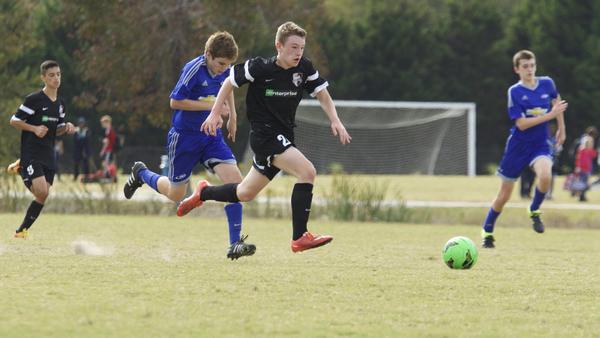

Effective opponent analysis doesn't require expensive software or professional scouting networks. Grassroots football coaches can gain valuable tactical insights using accessible metrics and simple observation methods. Understanding how to gather and apply opponent scouting data helps teams prepare strategically while maintaining focus on player development.
Understanding Accessible Opponent Metrics
What Makes a Metric "Accessible"
Accessible metrics are those that grassroots coaches can gather without specialised equipment or significant financial investment. These include observable patterns during matches, basic statistical data from league websites, and insights gained through video footage that parents or club volunteers might record.
The key distinction lies in practicality. Professional clubs employ dedicated analysts who track hundreds of data points per match. Grassroots coaches need metrics that provide actionable insights without overwhelming limited preparation time. This approach focuses on patterns rather than exhaustive statistics.
TeamStats provides grassroots coaches with tools to record and organise opponent scouting data systematically, making the process manageable alongside other coaching responsibilities.
Why Basic Metrics Work
Simple metrics often prove more valuable than complex statistics in youth football contexts. Young players benefit from straightforward tactical instructions based on clear patterns. Identifying that an opposing team consistently builds attacks down their right side provides more actionable insight than calculating expected goals or advanced possession metrics.
Basic observation reveals fundamental tendencies. Does the opposition goalkeeper distribute long or short? Do their centre-backs show composure under pressure? Which players take set pieces? These accessible metrics inform practical tactical adjustments that youth players can understand and execute.
Key Observable Metrics for Opponent Analysis
Formation and Shape
Identifying opponent formations forms the foundation of effective analysis. Watch how teams line up at kick-off and how their shape changes during different match phases. Some youth teams maintain rigid structures while others transition fluidly between formations.
Pay particular attention to defensive organisation. Do they defend narrowly and compactly, or spread wide across the pitch? How many players commit forward during attacks? Understanding these patterns helps coaches prepare counter-strategies and exploit potential weaknesses.
Transition moments reveal crucial information. How quickly do opponents reorganise after losing possession? Do they press immediately or drop into defensive shape? These observations inform your team's approach to build-up play and counter-attacking opportunities.
Ball Progression Patterns
Teams develop recognisable patterns in how they progress the ball forward. Some youth sides favour direct play with long passes to forwards, whilst others build patiently through midfield. Identifying these preferences allows tactical preparation.
Watch for preferred passing lanes. Many teams show bias toward one side of the pitch, often determined by their strongest technical players. Full-backs might overlap consistently, or central midfielders might drift to specific zones. Recording these tendencies creates a tactical roadmap for match preparation.
Set-piece routines offer particularly valuable opponent scouting data. Teams at the grassroots level often use consistent corner and free-kick patterns. Noting these routines enables defensive preparation and reduces surprise during matches.
Individual Player Tendencies
Individual analysis focuses on key opposition players who significantly influence match outcomes. Identify which players dictate tempo, who takes responsibility in possession, and which individuals show technical superiority.
Dominant foot preferences matter significantly at the youth level, where technical versatility remains developing. A right-footed centre-back who struggles with their left foot can be pressured toward their weaker side. Forwards who consistently cut inside from wide positions reveal predictable patterns that defences can anticipate.
Decision-making under pressure separates players at the grassroots level. Some young players thrive when pressed, whilst others rush decisions or panic. These observations inform pressing strategies and defensive organisation.
Practical Methods for Gathering Opponent Data
Pre-Match Observation
Watching previous matches provides the richest source of opponent scouting data. Many grassroots football matches are now recorded by parents or clubs, creating accessible footage for analysis. Even watching 15-20 minutes of an opponent's previous match reveals formation preferences, key players, and tactical tendencies.
Speaking with other coaches who've faced the same opposition offers valuable context. The grassroots football community generally shares insights willingly. Coaches can exchange observations about team strengths, weaknesses, and particular challenges opponents present.
League standings and recent results indicate form and potential tactical approaches. Teams on winning streaks might approach matches confidently, whilst those struggling might adopt more defensive strategies. This contextual information complements tactical observations.
In-Match Data Collection
Real-time observation during matches requires systematic approaches. Designate an assistant coach or volunteer to record specific metrics whilst the head coach focuses on managing the team. Simple notation systems tracking formation changes, goal kicks distribution patterns, or substitution timings provide valuable data.
Pattern recognition becomes easier with practice. After 10-15 minutes, clear tendencies usually emerge. Does the opposition press high or sit deep? Which players receive the ball most frequently? Where do dangerous attacks originate? These observations inform half-time adjustments.
Modern football coaching apps enable streamlined data collection during matches. Coaches can quickly log observations on mobile devices, building databases of opponent information over time.
Post-Match Review
Recording findings immediately after matches captures insights whilst they remain fresh. Brief written summaries noting three to five key observations create valuable references for future fixtures. These might include formation details, set piece routines, or specific player threats.
Building opponent profiles over multiple seasons helps clubs develop institutional knowledge. When facing teams annually in youth leagues, historical data reveals patterns and progression. This systematic approach elevates preparation quality across entire coaching staffs.
Turning Data Into Tactical Adjustments
Identifying Exploitable Weaknesses
Effective analysis translates observations into tactical opportunities. If opponents struggle defending wide areas, your attacking approach emphasises width and crossing opportunities. When opposition full-backs push forward aggressively, counter-attacking through vacated spaces becomes viable.
Defensive vulnerabilities often emerge in transition moments. Teams that commit many players forward during attacks leave space in behind their defence. Quick transitions exploiting these spaces can prove decisive, particularly against opponents with slower defensive recovery.
Set piece preparation based on opponent scouting data creates significant advantages. Knowing corner kick routines allows defensive positioning that neutralises threats. Understanding free-kick takers' preferences enables goalkeeper positioning and wall organisation that reduces scoring opportunities.
Preparing Your Team
Age-appropriate tactical briefings translate analysis into player understanding. Young players benefit from simple, clear instructions rather than complex tactical concepts. Focus on two or three key points that players can remember and execute during matches.
Targeted training sessions rehearse specific scenarios that matches will present. If opponents press aggressively, practice playing out from the back under pressure. When facing teams that defend deep, work on breaking down compact defensive blocks. This preparation builds confidence and tactical fluency.
Formation adjustments might prove necessary against particular opponents. Teams playing 9-a-side tactics might adjust their shape to counter opposition strengths whilst maximising their own advantages. These modifications should feel natural to players through training ground repetition.
Balancing Analysis with Player Development
Grassroots football prioritises long-term player development over short-term results. Opponent analysis should enhance rather than restrict this focus. Avoid over-coaching youth players with excessive tactical instructions that limit creative expression and decision-making opportunities.
Maintaining your team's playing identity remains crucial. Whilst tactical adjustments address specific opponents, fundamental principles should remain consistent. Players develop best when working within coherent philosophical frameworks rather than dramatically changing approaches for each opponent.
Building football intelligence through analysis benefits player development. Discussing opponent weaknesses and tactical solutions helps young players understand the game's strategic dimensions. This analytical thinking transfers across football contexts throughout their development.
Tools and Technology for Grassroots Coaches
Free and Low-Cost Resources
Numerous free resources support grassroots opponent analysis. Video hosting platforms contain match footage that coaches can study. League websites publish standings, fixtures, and sometimes basic statistics. Social media groups within grassroots football communities facilitate information exchange between coaches.
Smartphone apps provide accessible video analysis capabilities. Coaches can record matches, add tactical annotations, and share observations with assistant coaches. Many apps include drawing tools for illustrating formations and movement patterns.
Spreadsheets offer simple systems for tracking opponent scouting data over time. Creating templates that record formation, key players, set piece routines, and tactical notes builds valuable databases without requiring sophisticated software.
Using TeamStats for Opponent Tracking
A comprehensive team management app streamlines the opponent analysis process. TeamStats enables coaches to record match notes, build opponent profiles, and share insights with coaching staff. The platform's organisational capabilities ensure that valuable observations don't get lost between seasons.
Systematic record-keeping through team management software creates institutional knowledge. When assistant coaches change or multiple teams within a club face the same opponents, shared databases ensure everyone benefits from previous observations. This collaborative approach elevates overall coaching standards.
The platform supports not just opponent analysis but entire match preparation workflows. Linking tactical insights with training session planning, team selection, and match-day organisation creates cohesive coaching processes.
Common Mistakes in Opponent Analysis
Over-Complicating the Process
Analysis paralysis occurs when coaches gather excessive data without identifying actionable insights. Recording fifty different metrics provides less value than focusing on five key patterns that inform tactical decisions. Simplicity and clarity trump comprehensive data collection at the grassroots level.
Sophisticated statistical analysis rarely proves necessary or practical for youth football. Expected goals models and possession statistics might interest coaches intellectually but seldom translate into youth player instructions. Focus on observable patterns that directly inform preparation.
Neglecting Your Own Team's Identity
Excessive focus on opponents can undermine team identity development. Whilst tactical adjustments address specific challenges, maintaining core playing principles ensures consistency and player confidence. Teams that dramatically alter approaches for each opponent struggle to develop cohesive playing styles.
Player confidence suffers when coaches emphasise opposition threats over team strengths. Balance opponent analysis with positive reinforcement of your team's capabilities. Tactical preparation should empower rather than intimidate young players.
The development versus winning balance remains central to grassroots football philosophy. Opponent analysis supports competitive success but shouldn't compromise player development priorities. Long-term player progress matters more than individual match results at the youth level.
Conclusion
Effective opponent analysis in grassroots football relies on accessible metrics and systematic observation rather than sophisticated technology or extensive resources. Coaches who identify key patterns in formations, ball progression, and individual tendencies gain tactical advantages whilst maintaining focus on player development.
Simple data collection methods - watching previous matches, speaking with other coaches, and recording observations during games - provide sufficient opponent scouting data for meaningful tactical preparation. The key lies in translating these insights into age-appropriate instructions that players understand and execute confidently.
Technology supports rather than defines the analytical process. Team management tools help coaches organise observations systematically, building valuable opponent profiles over time. This structured approach elevates preparation quality without overwhelming limited coaching resources.
Start with basic observations and gradually refine your analytical process. Focus on three to five key insights per opponent rather than comprehensive statistical profiles. Maintain balance between tactical preparation and your team's playing identity, ensuring that analysis enhances rather than restricts player development.
Ready to streamline your opponent analysis and match preparation? Discover how a dedicated team management app helps grassroots coaches organise scouting data, plan tactical approaches, and build systematic preparation routines that enhance competitive performance whilst prioritising long-term player development.
═══════════════════════════════════════════════════════════════