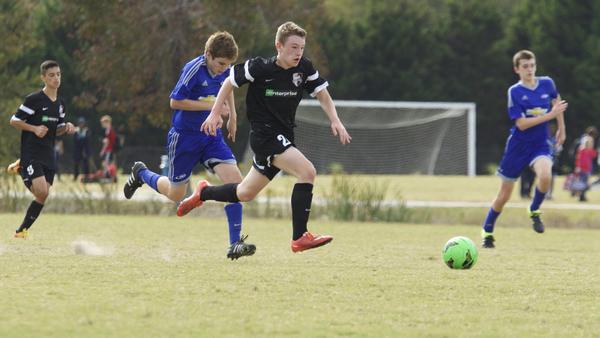

Effective coaching requires understanding how players experience training sessions, not just delivering pre-planned content. Training feedback football represents a systematic approach where coaches actively seek, analyse, and act upon player input to refine their coaching methods. This collaborative approach builds trust, increases engagement, and often reveals blind spots that improve session quality significantly.
Understanding Training Feedback Football
Player feedback provides invaluable insights that external observation alone cannot capture. Coaches see sessions from outside perspectives, whilst players experience physical demands, comprehension challenges, and engagement levels directly. These different viewpoints complement each other, creating more effective training when properly integrated.
The Value of Player Input
Treating players as active participants in their development rather than passive recipients of coaching creates stronger learning environments. When players contribute input about training effectiveness, they develop ownership of their improvement and invest more deeply in the process. This ownership translates directly to enhanced effort and engagement.
Training feedback football reveals blind spots that even experienced coaches possess. Drills that seem appropriately challenging to coaches might overwhelm players or fail to challenge them sufficiently. Tactical instructions that appear clear might confuse players through terminology or complexity mismatches. Regular feedback identifies these disconnections before they undermine development.
Building trust through listening strengthens coach-player relationships significantly. Players who believe coaches value their perspectives respond more positively to coaching, accept constructive criticism more readily, and maintain higher motivation through difficult training periods. TeamStats enables coaches to implement systematic feedback collection that demonstrates a genuine commitment to player input.
Creating Feedback-Receptive Environments
Psychological safety enables honest player feedback. When players fear negative consequences for sharing genuine perspectives, they provide filtered input that limits coaching improvement. Creating environments where players can speak honestly without repercussions requires deliberate cultural development emphasising growth over judgement.
Age-appropriate feedback methods acknowledge different developmental stages. Younger players need simpler, more concrete feedback approaches - often visual or verbal immediately after activities. Older youth and adult players can handle sophisticated written feedback, group discussions, and delayed reflection processes.
Balancing authority with openness represents a crucial coaching skill. Effective coaches maintain appropriate authority whilst remaining genuinely open to feedback. This balance prevents either authoritarian environments that stifle input or overly permissive cultures that undermine coaching direction.
Methods for Collecting Player Feedback
Systematic training feedback football requires deliberate collection methods rather than hoping players volunteer perspectives spontaneously.
Formal Feedback Structures
Post-training surveys provide structured input on specific session elements. Simple questions about drill enjoyment, difficulty levels, comprehension, and energy levels generate quantifiable data that reveals patterns across multiple sessions. Digital surveys through team management apps make this process efficient and trackable over time.
One-to-one player conversations enable deeper feedback exploration than surveys allow. These individual discussions reveal personal concerns, specific comprehension issues, or interpersonal dynamics affecting training experience. Regular individual check-ins throughout the season maintain feedback continuity beyond formal review points.
Team feedback sessions create collective dialogue about training approaches. Group discussions often surface shared concerns that individual players hesitate to raise alone. These sessions also enable peer-to-peer feedback about training culture and collective standards that coaches might not recognise independently.
Informal Feedback Channels
Observing body language and engagement levels provides continuous informal feedback during sessions. Players who display enthusiasm, full effort, and positive interaction signal effective training, whilst disengagement, minimal effort, or negative interactions suggest adjustments needed. Experienced coaches develop sensitivity to these non-verbal signals that complement explicit feedback.
Casual conversations during training breaks or before/after sessions yield valuable informal input. Players often share perspectives conversationally that they wouldn't offer through formal channels. These casual interactions require coaches to listen actively rather than dominating conversations with their own agendas.
Parent insights serve as secondary feedback sources, particularly for younger players who struggle articulating their experiences. Parents observe enthusiasm levels, physical fatigue, and comments about training at home, providing additional perspectives on player experiences. Understanding grassroots football means recognising parents as partners in player development.
Digital Tools for Feedback Collection
Modern football coaching apps streamline feedback collection through built-in survey capabilities, making regular input gathering sustainable long-term. These platforms enable question standardisation that facilitates trend analysis across sessions and seasons.
Anonymous feedback options encourage honesty from players who fear social repercussions for criticising training approaches. Anonymity particularly benefits youth players navigating peer relationships where appearing critical of coaches might generate social consequences.
Tracking feedback trends over time reveals whether adjustments generate desired improvements or whether issues persist despite interventions. This longitudinal tracking transforms feedback from isolated comments into developmental narratives that guide coaching evolution.
Analysing and Interpreting Player Input
Collecting feedback represents only the first step - coaches must analyse input skilfully to identify genuine improvement opportunities whilst filtering less constructive comments.
Distinguishing Valuable Feedback from Complaints
Patterns across multiple players indicate systemic issues requiring attention, whilst isolated comments might reflect individual preferences not warranting broad training changes. When several players report similar concerns - excessive running without ball work, confusing tactical instructions, inappropriate difficulty levels - these patterns signal legitimate adjustment needs.
Developmental feedback focused on learning effectiveness differs from preference statements about enjoyment. Players might dislike challenging technical drills yet benefit enormously from them. Training feedback football requires distinguishing between "this helps us improve" feedback and "we enjoy this" feedback, with the former carrying greater weight for coaching decisions.
Age and maturity considerations affect feedback interpretation significantly. Young players might lack perspective to recognise long-term developmental benefits, whilst adult amateur players bring more sophisticated understanding of training principles. Coaches adjust how heavily they weight feedback based on player maturity and football experience.
Identifying Actionable Training Adjustments
Common themes across multiple players highlight priority adjustment areas. When numerous players mention similar issues - session pacing, drill clarity, intensity levels, or tactical confusion - these shared concerns warrant immediate attention regardless of whether individual comments would trigger changes.
Gaps between intended and perceived training reveal communication failures requiring correction. Coaches might design sessions targeting specific developmental objectives, yet players experience them differently. These disconnections indicate either explanation gaps, activity design flaws, or both, requiring adjustment to align intention with experience.
Physical versus psychological feedback signals require different responses. Physical fatigue concerns might indicate inappropriate intensity or insufficient recovery, whilst psychological feedback about boredom or anxiety suggests engagement or pressure adjustments needed.
Common Training Adjustments Based on Feedback
Several adjustment categories commonly emerge from training feedback football processes across grassroots teams.
Session Intensity and Volume
Signs of overtraining include persistent fatigue complaints, declining performance quality, increased injury rates, or noticeable motivation drops. These indicators suggest volume or intensity reductions needed, particularly for youth players whose recovery capacity differs from adults playing similar schedules.
Under-challenge manifests through boredom reports, minimal effort, or players requesting more demanding work. When multiple players indicate sessions feel too easy, progressive difficulty increases maintain appropriate challenge levels that drive development without overwhelming capabilities.
Balancing intensity with recovery proves particularly crucial for teams training multiple times weekly. Understanding different football formations helps coaches design varied session intensities - some emphasising tactical positioning requiring less physical demand, others focusing on high-intensity physical conditioning.
Drill Variety and Engagement
Recognising boredom or repetition fatigue requires attention to both explicit feedback and declining engagement signals. Repetition benefits technical development, but excessive monotony reduces effort and attention quality. Strategic variety maintains engagement whilst preserving developmental focus.
Introducing new exercises and formats revitalises training without abandoning core developmental objectives. Small modifications to familiar drills - different scoring systems, position rotations, competitive elements - create freshness whilst maintaining technical focus. For younger age groups, understanding 7-a-side formations enables format variations appropriate to their playing structure.
Maintaining developmental focus whilst adding variety requires discipline. Coaches must resist entertainment-driven changes that sacrifice learning objectives. Effective adjustments enhance engagement without compromising training quality or abandoning necessary repetition for skill mastery.
Tactical Complexity and Understanding
When players struggle with tactical concepts, feedback often indicates confusion through questions, incorrect execution despite coaching, or explicit statements about comprehension difficulties. These signals suggest either excessive complexity for current developmental stage or inadequate explanation requiring simplification or enhanced teaching methods.
Simplifying or progressing tactical work based on feedback demonstrates responsive coaching that meets players where they actually are rather than where coaches assume them to be. Breaking complex concepts into smaller components, using more visual demonstrations, or providing additional repetition can resolve comprehension issues highlighted through feedback.
Formation adjustments based on comprehension feedback sometimes prove necessary. If players consistently struggle with specific systems despite adequate teaching, switching to formations better matching their cognitive capabilities might serve development better than persisting with inappropriate complexity.
Training Environment and Culture
Social dynamics affecting performance often emerge through feedback about team atmosphere, clique formation, or participation inequality. These cultural issues require deliberate intervention - restructuring partnerships, rotating leadership roles, or addressing bullying behaviours - to maintain inclusive, productive training environments.
Competition versus cooperation balance influences training culture significantly. Excessive competition creates anxiety and discourages risk-taking, whilst insufficient competition reduces intensity and effort. Feedback about training environment helps coaches calibrate this balance appropriately for their specific squad dynamics.
Implementing Feedback-Driven Changes
Effective implementation of training feedback football adjustments requires transparent communication and systematic change management.
Communicating Why Changes Occur
Acknowledging player input transparently demonstrates that feedback generates genuine responses rather than performative listening. When coaches explicitly connect training adjustments to player feedback - "Several of you mentioned..., so we're adjusting..." - players recognise their voices matter, encouraging continued honest input.
Explaining training rationale helps players understand why certain approaches persist despite critical feedback. When coaches articulate developmental reasoning behind unpopular training elements, players often accept these components more willingly, recognising short-term discomfort serves long-term growth.
Building buy-in for adjustments increases implementation success. Player support for changes they helped identify through feedback naturally exceeds support for changes imposed without explanation. This collaborative approach leverages player agency to enhance training effectiveness.
Gradual vs Immediate Adjustments
Immediate implementation suits clear problems with obvious solutions - session intensity causing persistent fatigue, drill confusion from inadequate explanation, or cultural issues requiring swift intervention. These situations warrant rapid response demonstrating coaching responsiveness.
Maintaining course despite feedback proves appropriate when developmental necessities conflict with player preferences. Technical fundamentals requiring repetition, challenging tactical concepts needing persistence, or physical conditioning causing temporary discomfort might generate negative feedback yet remain essential. Coaches balance responsiveness with expertise-based conviction about necessary training components.
Testing modifications systematically prevents wholesale changes based on limited feedback. Implementing adjustments incrementally, gathering follow-up feedback, and evaluating impact before broader rollout creates evidence-based training evolution rather than reactive lurching between approaches.
Measuring Impact of Changes
Tracking engagement and performance after adjustments reveals whether changes generate desired improvements. Increased effort, better comprehension, enhanced enjoyment, or improved results validate changes, whilst persistent issues suggest further adjustment needed.
Follow-up feedback loops close the improvement cycle. After implementing changes based on initial feedback, gathering subsequent input determines whether adjustments resolved concerns or whether additional modification remains necessary. This continuous improvement approach systematically enhances training quality over time.
Teams competing in football leagues can track whether feedback-driven adjustments correlate with performance improvements, providing objective validation that responsive coaching benefits competitive results alongside player satisfaction.
Balancing Player Feedback with Coaching Expertise
Effective training feedback football balances player input with coaching expertise rather than abdicating professional judgement to player preferences.
When to Act on Feedback
Valid concerns requiring action include safety issues, excessive physical demands causing injury risk, genuine comprehension problems preventing learning, or cultural toxicity undermining team cohesion. These feedback categories warrant immediate, substantive responses demonstrating coaches prioritise player wellbeing and development.
When to Maintain Course Despite Feedback
Deliberate challenges for growth might generate negative feedback yet remain developmentally essential. Technical repetition building muscle memory, tactical complexity preparing players for advancement, or physical conditioning developing fitness capacities might prove unpopular yet necessary.
Technical fundamentals needing repetition rarely excite players but provide foundations for advanced capabilities. Feedback indicating boredom with fundamental work requires coaches to explain developmental necessity whilst potentially adding minor variations that maintain engagement without abandoning essential repetition.
Tactical principles requiring persistence often confuse players initially before understanding crystallises through continued exposure. Premature abandonment of challenging tactical concepts based on early negative feedback prevents players reaching comprehension breakthroughs that come through sustained engagement.
Educating Players About Training Purpose
Explaining long-term development plans helps players understand current training within broader contexts. When players recognise how current work contributes to future capabilities, they tolerate less immediately enjoyable training more willingly.
Connecting current work to future goals provides motivational context that pure skill development lacks. Explaining how current technical repetition enables tactical sophistication later, or how current physical conditioning supports competitive endurance later, helps players accept challenging present training.
Building player understanding of coaching decisions creates more sophisticated athletes who think critically about their development. This education transforms players from passive training recipients into active development partners understanding both what they're doing and why.
Conclusion
Training feedback football represents a coaching philosophy where player input systematically informs training design and delivery. By implementing structured feedback collection, analysing input thoughtfully, and responding appropriately whilst maintaining coaching expertise, grassroots coaches create more effective learning environments that accelerate development and sustain engagement.
The balance between responsiveness and conviction distinguishes effective feedback integration from reactive coaching that lurches between approaches based on momentary preferences. Skilled coaches welcome player perspectives whilst maintaining professional judgement about developmental necessities, creating collaborative environments that respect both player experience and coaching expertise.
Get started with digital tools designed specifically for grassroots coaches implementing systematic feedback processes that enhance training quality whilst building player ownership of their development journeys.
═══════════════════════════════════════════════════════════════