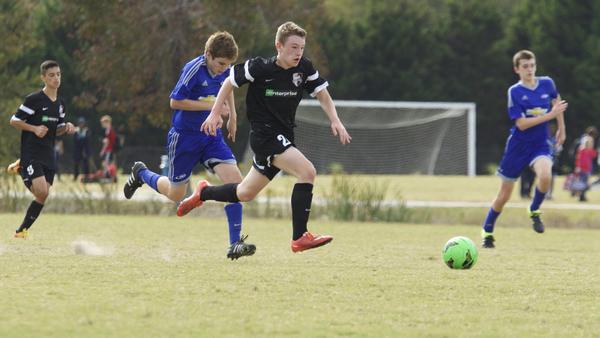

The final whistle blows. Your players have left everything on the pitch, win, lose, or draw, the effort has been immense. But the work isn’t over. In fact, one of the most critical phases of the game is just beginning. A solid post match recovery in grassroots football is not a luxury; it's a fundamental part of building a resilient, successful team.
It's about more than just easing sore muscles. A proper recovery strategy is your best defence against injuries, the key to consistent performance, and the secret to keeping your squad fit and hungry for the next match. Overlooking this crucial step can lead to burnout, nagging injuries, and a drop in form that can derail a season. Let's get into how you can build a programme that works for your team.
Why Post-Match Recovery is a Game-Changer
In grassroots football, players often have to juggle the game with school, work, and family life. They don't have the luxury of professional sports scientists monitoring their every move. This makes an effective and simple recovery plan even more vital.
Think of a player's body like a car battery. A 90-minute match drains it completely. If you only give it a quick, partial recharge, it might start the next day, but it won't have the power to perform at its best. Keep doing that, and eventually, the battery will fail. Proper recovery is the full, overnight charge that restores energy, repairs the system, and gets it ready to go again at maximum capacity.
A structured approach to recovery helps to:
Reduce Injury Risk: Fatigued muscles are far more susceptible to strains and tears.
Accelerate Muscle Repair: Physical exertion causes micro-tears in muscle fibres; recovery is the process of healing them stronger.
Replenish Energy Stores: Matches deplete the body's primary fuel source, glycogen. Recovery restocks the tank.
Improve Future Performance: A well-recovered player is faster, stronger, and more mentally sharp.
The Core Components of an Effective Recovery Programme
A great recovery plan is a multi-faceted approach. It’s not just one thing, but a combination of simple, effective habits that, when done consistently, make a huge difference.
The Immediate Cool-Down
The moment the match ends is the first window of opportunity. Don't let your players just collapse in a heap on the grass or head straight for the changing rooms. An active cool-down is non-negotiable. Its purpose is to gradually lower the heart rate, circulate blood to flush out metabolic waste products like lactic acid, and reduce the likelihood of muscle stiffness.
A simple 10-15 minute routine is all it takes:
Light Jogging: A couple of laps around the pitch at a very slow pace.
Dynamic Stretching: Focus on gentle, controlled movements. Think leg swings (forwards and sideways), walking lunges with a torso twist, and arm circles.
Fuelling the Machine: Nutrition and Hydration
What players consume in the first hour after a match is incredibly important. This is often called the "golden hour" for recovery. The body is primed to absorb nutrients to repair muscle and replenish energy.
Protein is for Repair: It provides the amino acids needed to rebuild damaged muscle tissue.
Carbohydrates are for Refuelling: They are converted into glycogen to restock the energy stores in the muscles and liver.
Hydration is Essential: Players lose a significant amount of fluid through sweat. Rehydrating with water or an electrolyte drink is critical for all bodily functions, including recovery.
Simple post-match snack ideas include a banana and a handful of nuts, a chicken sandwich, a protein shake, or a glass of chocolate milk (a surprisingly effective recovery drink).
The Power of Sleep and Rest
You can’t overstate the importance of sleep. It is the body's ultimate recovery tool. During deep sleep, the body releases growth hormone, which is essential for muscle repair and growth. Encourage your players to aim for 8-10 hours of quality sleep on the night after a match. This means creating a good sleep environment, a cool, dark room, and avoiding screens from phones or tablets for at least an hour before bed.
Active Recovery: The Day After
The day after a match shouldn't necessarily mean sitting on the sofa doing nothing. Light, low-impact activity, known as active recovery, can be hugely beneficial. It promotes blood flow to the muscles without causing further strain, which helps speed up the healing process.
Good active recovery options include:
A gentle swim
A leisurely cycle
A long walk
Foam rolling or light mobility work
Putting Your Programme into Practice with TeamStats
Managing a team's recovery requires clear communication and organisation. It’s one thing to have a plan, but another to get everyone to follow it. This is where our tools can make a real difference.
I coached an U16s team a few years back who were brilliant on a Saturday but always sluggish and injury-prone by mid-week. We realised their recovery was non-existent. They’d have a fizzy drink and a bag of crisps and then spend the evening playing video games. We introduced a simple recovery checklist: cool-down, a proper snack, 2 litres of water, and a 30-minute active recovery session on Sunday.
We used the TeamStats platform to make it happen. We scheduled the Sunday active recovery session as an optional team event in the calendar. More importantly, we used the communication feature to send out a "Post-Match Checklist" reminder to all players and parents an hour after every game. The change was remarkable. Within a month, the mid-week niggles and muscle complaints had almost vanished.
Our team management app helps you:
Organise: Schedule cool-down periods, team recovery sessions, or even rest days into your team calendar.
Communicate: Share nutritional advice, hydration reminders, and educational content about the importance of sleep directly with your players and their parents.
Analyse: Keep notes on player fitness and availability, helping you spot signs of fatigue before they become injuries.
Common Recovery Mistakes to Avoid
Implementing a post match recovery in grassroots football is often about avoiding the common pitfalls.
Ignoring Individual Needs: Every player is different. A 17-year-old might bounce back faster than a 35-year-old veteran. Pay attention and encourage players to listen to their own bodies.
Skipping the Cool-Down: It’s tempting to skip it after a tough loss or a long trip home, but it’s one of the easiest and most effective recovery methods. Make it a team habit.
Forgetting Mental Recovery: Matches are mentally draining. The pressure, the concentration, the emotional highs and lows. Encourage players to switch off and do something they enjoy that has nothing to do with football.
Your Next Steps
Building a culture where recovery is taken seriously is a powerful step towards a healthier, more successful team. It shows your players you care about their well-being beyond the 90 minutes on the pitch.
By following these steps, you can ensure your team is always ready for the next challenge. A good post match recovery in grassroots football is your secret weapon.
Ready to streamline your team's entire operation, from scheduling to recovery reminders? Explore how TeamStats can help. If you have any questions, please get in touch with us.