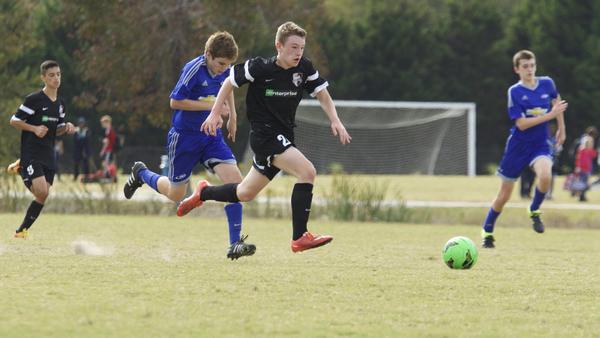

Match reports often get treated as an afterthought - scribbled notes on the drive home or a quick WhatsApp message to parents. Yet these records form the backbone of player development tracking, tactical analysis, and season-long progress measurement. A well-structured match reporting football system transforms raw observations into actionable insights that improve training sessions, inform selection decisions, and help young players understand their development journey.
The challenge facing grassroots managers isn't finding things to write about. It's capturing the right information whilst juggling touchline responsibilities, then organising that data into formats that actually drive improvement. TeamStats users who implement systematic match reporting football see measurable gains in tactical awareness and player progression tracking compared to those relying on memory alone.
What Makes a Match Report Valuable
Effective match reports serve multiple audiences with different needs. Parents want to understand their child's contribution and development areas. Players benefit from specific feedback tied to match situations. Coaches need tactical insights to shape future training sessions. Club administrators require attendance records and injury documentation.
The most valuable reports balance objective data with contextual analysis. Recording that a defender made seven clearances matters less than noting they struggled with diagonal runs from wide positions during the second half. Temperature readings and possession statistics mean little without explaining how these factors influenced tactical decisions or individual performances.
Key elements that elevate match reporting football from administrative tasks to development tools include specific tactical observations linked to training ground work, individual performance notes highlighting development areas, context around scoreline (weather conditions, pitch quality, opposition strength), decisions made during the match and their outcomes, and patterns that emerged across different game phases.
Recording these details immediately after matches prevents the memory distortion that occurs within 24 hours. Managers who wait until Monday evening to complete reports consistently miss crucial details about defensive shape breakdowns or attacking pattern successes.
Structuring Reports for Different Age Groups
Under-7s and under-9s require fundamentally different reporting approaches than under-16s preparing for adult football. Younger age groups benefit from reports emphasising enjoyment, effort, and basic skill execution. Detailed tactical analysis proves counterproductive when players are still mastering fundamental movements.
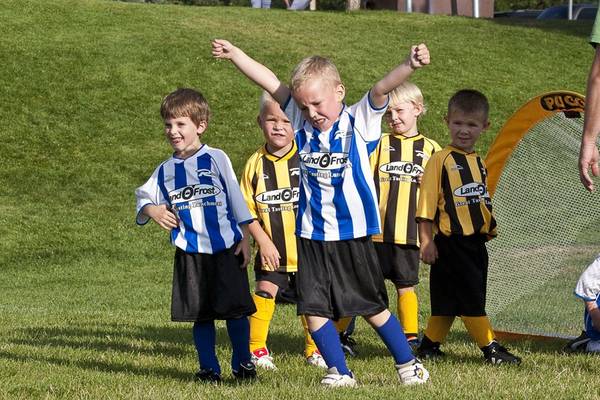
For foundation phase football (under-7s to under-9s), reports should focus on individual moments of skill development (first successful tackle, improved passing), social interactions and teamwork behaviours, engagement levels and enthusiasm throughout the match, basic positional understanding during small-sided football tactics, and attendance and participation notes for parent communication.
Youth development phase teams (under-10s to under-16s) require progressively detailed tactical analysis. By under-12s, reports should begin incorporating positional responsibilities, defensive shape maintenance, and attacking pattern recognition. Under-14s and above benefit from analysis comparable to adult football, examining pressing triggers, transition speed, and set-piece execution.
Professional development phase players (under-17s onwards) need reports that mirror adult football standards. These should include statistical elements, comparative analysis against previous performances, and explicit links between match situations and training ground preparation.
Capturing Tactical Information During Matches
Recording tactical observations whilst managing substitutions, communicating with officials, and monitoring player welfare requires systematic approaches. Attempting to write detailed notes during play guarantees missing crucial moments. Successful grassroots managers develop shorthand systems that capture key information without demanding constant attention.
Effective touchline recording methods include time-stamped observations noting the approximate minute when significant tactical events occur, formation diagrams with quick sketches showing how the opposition set up or how your team's shape changed, individual player codes developing abbreviations for common observations, and quarter-by-quarter summaries dividing matches into 15-20 minute segments with one key tactical observation per segment.
Many managers using football coaching apps find that digital tools streamline this process significantly. Voice notes recorded during water breaks capture tactical thoughts without requiring typing. Photo documentation of tactical boards shown to players at half-time preserves the specific instructions given.
Recording Individual Player Performance
Generic praise like "played well" or "worked hard" offers limited developmental value. Useful individual assessments identify specific actions, explain their impact, and suggest concrete improvement areas. This specificity transforms match reporting football into genuine development tools.
Effective individual player notes follow a three-part structure: positive contribution identifying specific actions where the player demonstrated skill, understanding, or improvement; development area highlighting one or two specific aspects requiring improvement linked to match situations; and contextual factors noting circumstances affecting performance (returning from injury, playing out of position, facing particularly strong opposition).
Rotating which players receive detailed individual notes prevents report writing becoming overwhelming. Focusing on five or six players per match ensures thorough assessment whilst remaining manageable. Over a season, this rotation provides comprehensive coverage of the entire squad.
Analysing Tactical Patterns and Team Shape
Beyond individual performances, match reporting football should capture how the team functioned collectively. Tactical pattern analysis identifies whether training ground work translates to match situations and highlights areas requiring additional practice.
Defensive organisation should document how the team maintained its defensive shape under different types of pressure. Attacking patterns need to record which approaches proved successful and which broke down. Transition moments examining the seconds immediately after winning or losing possession often determine match outcomes. Set-piece execution requires recording both attacking and defensive outcomes.
This tactical analysis directly informs training session planning. If match reports consistently show the team conceding from opposition switches of play, training sessions should emphasise defensive shifting and communication. When reports highlight successful attacking patterns, coaches can build upon these strengths whilst developing complementary approaches.
Incorporating Statistical Data Without Losing Context
Statistics provide objective performance measures but require contextual interpretation. Recording that a team had 60% possession means little without explaining whether this reflected controlled dominance or ineffective sideways passing under opposition pressure.
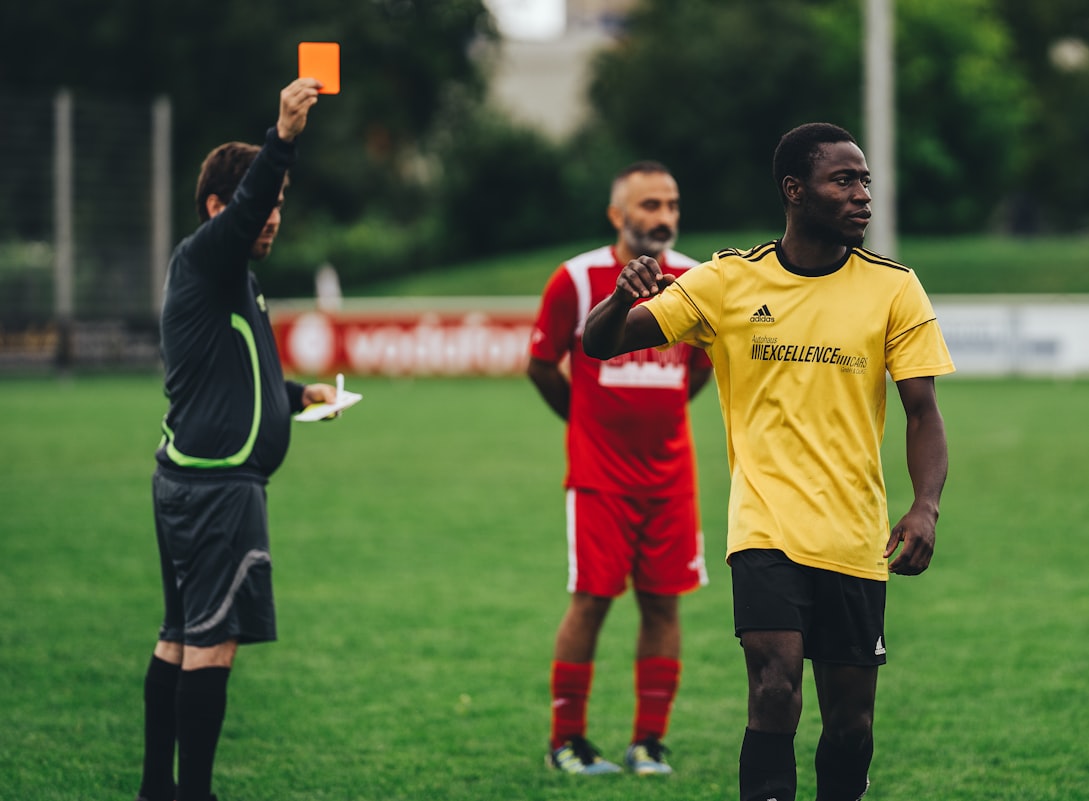
Grassroots managers rarely have access to professional-level statistics, nor do they need them. A handful of well-chosen metrics provides sufficient objective data when combined with qualitative observation: goals and assists (with brief context about the quality of chances), clean sheets and defensive errors leading to clear chances, successful and unsuccessful attacking patterns (roughly counted), set-piece outcomes (corners won/conceded, conversion rates), and disciplinary information (cards issued, persistent fouling).
The team management app approach to statistics emphasises capturing data that informs decisions rather than numbers for their own sake. Recording that a striker had three clear chances but scored none matters more than tracking total shots, which include speculative efforts from 30 yards.
Using Match Reports to Track Season-Long Development
Individual match reports gain significant value when reviewed collectively across a season. Patterns invisible in single-match analysis become apparent when examining multiple reports together. This longitudinal perspective reveals genuine development trends versus temporary fluctuations.
Effective season-long tracking involves monthly tactical reviews examining all match reports from that period to identify recurring patterns, individual player progression comparing early-season reports with recent assessments for each player, opposition analysis using previous match reports when facing teams multiple times per season, and training session validation confirming whether training ground work transfers to competitive situations.
This cumulative analysis proves particularly valuable during player development conversations with parents and during season-end reviews. Showing specific examples from multiple match reports demonstrates clear development trajectories rather than relying on general impressions.
Sharing Match Reports With Players and Parents
The audience and distribution method significantly influence how match reporting football should be written. Reports shared publicly with all parents require different language and detail levels than internal coaching documents or individual player feedback.
Public team reports typically focus on collective performance, effort, and positive moments whilst avoiding singling out individuals for criticism. These reports maintain team morale and provide parents with match context without exposing individual players to public critique.
Individual player feedback can be more specific and developmental, highlighting both strengths and improvement areas. This private communication allows honest assessment without embarrassing players or creating parent conflicts.
Coaching staff documents should include all tactical details, honest performance assessments, and strategic planning notes. These internal reports inform selection decisions and training session design without requiring the diplomatic language necessary for parent communication.
Many grassroots teams using TeamStats find that separating public match summaries from detailed coaching analysis resolves the tension between transparency and honest assessment. Parents receive appropriate information about their child's participation and contribution whilst coaches maintain comprehensive internal records supporting development decisions.
Common Match Report Mistakes to Avoid
Even experienced managers fall into patterns that reduce match reporting football effectiveness. Recognising these common pitfalls helps maintain report quality without requiring additional time investment.
Recency bias overemphasises events from the final 15 minutes whilst underrepresenting the first hour. Result-oriented analysis interprets performance quality primarily through the scoreline. Vague generalisations use phrases like "good team performance" without specific examples. Excessive negativity focuses predominantly on mistakes rather than balancing development areas with positive contributions.
Tactical overcomplexity analyses youth football with the same depth as professional matches. Inconsistent recording writes detailed reports after victories but minimal notes following defeats. These patterns all reduce report usefulness for development tracking.
Integrating Match Reports With Training Plans
Match reports deliver maximum value when they directly inform subsequent training session design. The cycle of match observation, report analysis, training session planning, and return to match application creates continuous improvement loops.
Effective integration involves immediate training response addressing critical issues identified in match reports during the next training session, progressive skill development using reports to track whether previously identified development areas are improving, tactical pattern reinforcement when reports show successful execution of trained patterns, and individual development plans where match report patterns for individual players inform personalised development focuses.
This systematic connection between match observation and training design separates structured development programmes from random activity selection. Players recognise the relevance of training exercises when coaches explicitly link them to match situations documented in reports. Many clubs participating in youth football leagues find that systematic match reporting helps them track progress across competitive fixtures and identify development priorities that might otherwise be overlooked.
Conclusion
Writing insightful match reports transforms a routine administrative task into a powerful development tool that drives genuine improvement across individual players and team performance. The most effective match reporting football systems balance objective observation with contextual analysis, capture tactical patterns alongside individual contributions, and maintain appropriate detail levels for different age groups and audiences.
Systematic approaches to recording information during matches, structured frameworks for organising observations, and consistent review processes separate valuable developmental documentation from superficial match summaries. When match reports directly inform training session design and player development conversations, they become integral components of continuous improvement cycles rather than isolated administrative requirements.
The time investment required for quality match reporting football pays dividends through improved tactical awareness, clearer development tracking, and more effective communication with players and parents. Grassroots managers who implement structured reporting systems consistently demonstrate better season-long progression than those relying on memory and general impressions. Digital tools like TeamStats that streamline the recording, organisation, and analysis processes make systematic match reporting achievable even for time-pressed volunteer coaches juggling multiple responsibilities.
═══════════════════════════════════════════════════════════════