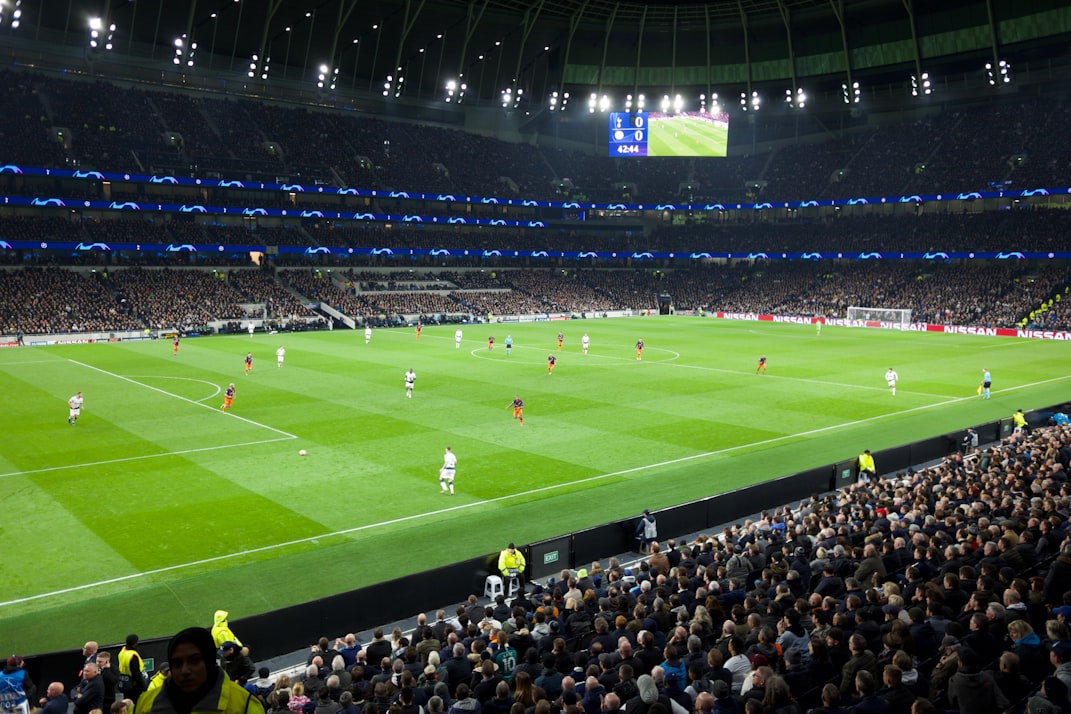
World Cup 2026 is already shaping into one of the most unpredictable international tournaments in modern football. FIFA expanded the competition to 48 national teams and 104 matches across the United States, Canada, and Mexico. The expanded format increases tactical variety, travel demands, squad rotation, and opportunities for smaller nations to compete against elite teams.
The tournament has already generated huge attention through early world cup 2026 betting odds and group-stage projections. Argentina opened as strong favourites against Algeria at 2/5, while Mexico entered their opener against South Africa at 12/25 due to home support and tournament experience. The United States were listed at 49/50 against Paraguay in one of the tightest projected opening fixtures.
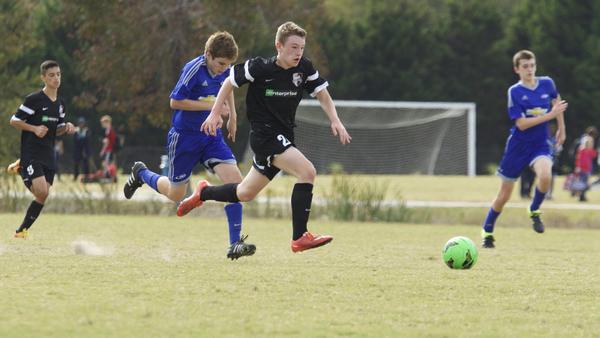
That matters for Sunday League teams because many of the most important World Cup lessons will not come from individual superstar moments. Amateur sides can learn more from how national teams defend space, organise pressing, rotate players, and build systems around collective structure instead of relying on individual talent.

Compact Defending Still Wins Matches
Modern football discussions focus heavily on pressing, but FIFA’s technical analysis from the 2022 World Cup showed that compact mid-block defending remained one of the tournament’s most effective defensive systems.
According to FIFA:
-
France used it for 37%
-
Argentina used it for 32%
Those teams reduced space between midfield and defence instead of pressing constantly across the pitch. That approach suits Sunday League football perfectly. Most amateur teams cannot sustain aggressive pressing for ninety minutes. Once one player presses alone, gaps appear between units and opponents play through easily.
Compact defending solves several problems immediately:
-
fewer through balls
-
better central protection
-
lower physical exhaustion
-
clearer defensive roles
Many Sunday League goals happen because defenders retreat while midfielders press forward independently. Successful teams move together instead of individually.
Pressing Works Better With Clear Triggers
Elite teams rarely press randomly anymore. Instead, they use pressing triggers to decide when to attack aggressively.
FIFA’s reports highlighted common triggers:
-
backwards passes
-
poor first touches
-
isolated full-backs
-
defenders receiving while facing their own goal
Sunday League teams often waste energy by chasing the ball emotionally. One forward presses while the rest stay passive behind him. That creates fatigue without pressure.
Simple triggers create better organisation. A team may decide to press only after backwards passes or when opponents are forced wide near the touchline. Clear rules improve coordination and reduce unnecessary running.
Set Pieces Remain the Biggest Opportunity
Research published in Frontiers in Sports and Active Living found that set pieces continue producing around 30% of goals in elite football tournaments. The 2018 World Cup became especially notable for its high number of goals from corners, penalties, and indirect free kicks.
That matters even more at amateur level because defensive organisation is weaker.
Most Sunday League teams still treat corners like random deliveries instead of structured attacking situations. Professional football now uses blocking runs, near-post overloads, and second-ball positioning to create consistent chances.
Local teams do not need twenty routines. Two organised corner patterns already create advantages over most opponents. One near-post run and one delayed far-post movement can repeatedly expose amateur marking systems. Long throws also remain massively underrated because many teams defend them poorly.
Width Creates Better Attacks
UEFA’s EURO 2024 technical report repeatedly highlighted the importance of width and direct winger play. Spain used wide positioning to isolate defenders and stretch compact blocks before attacking central spaces.
Many Sunday League attacks fail because players crowd the middle too early. Wingers drift inside immediately, full-backs stay deep, and attacks become predictable.
Width creates:
-
larger passing lanes
-
better crossing angles
-
more counter-attacking space
-
easier switches of play
Even direct football improves with width because second balls fall into open areas instead of crowded midfield zones.
One disciplined wide player can stretch an entire defensive line.
Squad Management Matters More Than Ever
World Cup 2026 will create major physical demands because of travel distances, climate variation, and the expanded tournament schedule. Recovery management will become central to performance.
That lesson applies directly to amateur football. Many Sunday League seasons collapse through fatigue, injuries, and poor substitutions rather than tactical quality.
EURO 2024 showed the importance of substitutes repeatedly. England changed matches through late contributions from Ollie Watkins and Cole Palmer. Fresh players altered pressing intensity and transition speed late in games.
Most amateur managers still use substitutes reactively instead of strategically.
Simple improvements include:
-
introducing pace against tired defenders
-
refreshing wide positions first
-
protecting booked players
-
rotating physically demanding roles
Fresh legs often decide amateur matches after sixty minutes when concentration levels drop sharply.
Simple Statistics Create Better Decisions
Elite football now uses AI tracking and advanced positional data, but amateur football does not need complicated analytics to improve.
Simple statistics already reveal most recurring problems.
Teams should track:
-
shots conceded
-
goals from set pieces
-
second-half performance drops
-
player attendance
-
chance conversion rates
A team conceding repeatedly from crosses may need narrower defensive positioning. A side fading late in games may need earlier substitutions or improved conditioning.
Many amateur teams rely entirely on emotional post-match opinions. Basic data removes guesswork and creates clearer coaching decisions.
Training Should Match Real Problems
England Football’s coaching guidance stresses that training should reflect actual match situations instead of isolated drills disconnected from competition.
That principle appears constantly in elite football. International teams repeatedly train:
-
defensive transitions
-
compact defensive movement
-
pressing structures
-
corner routines
-
buildup patterns
Many Sunday League sessions focus on unrealistic passing drills while teams continue conceding identical goals every weekend. The best amateur teams usually improve through repetition of simple match situations rather than complicated tactical systems.