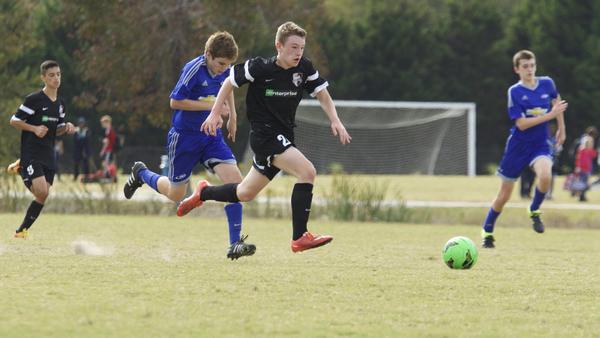

Grassroots football teams often treat football match analysis as something reserved for professional clubs - a luxury rather than a necessity. Yet the most successful youth teams and Sunday league sides share a common trait: they review matches systematically, extracting lessons that transform performance over time. Regular match review doesn't require expensive software or coaching badges. It demands only a structured approach and commitment to improvement.
Why Most Teams Skip Match Analysis
Time constraints dominate grassroots football. Parent-coaches juggle work commitments, family responsibilities, and team management duties. After spending two hours at a muddy pitch on Sunday morning, the last thing many volunteers want is another hour reviewing what happened.
This reluctance carries a cost. Teams repeat the same defensive errors across multiple fixtures. Attacking patterns that fail in September still fail in March. Players don't understand why they're losing possession in dangerous areas because nobody has shown them the pattern.
Professional academies dedicate entire sessions to video analysis. Grassroots teams can't replicate that intensity, but they can adopt simplified versions that deliver tangible results. The difference between teams that conduct football match analysis regularly and those that don't becomes apparent by mid-season. One group makes measurable progress; the other remains stuck in familiar patterns.
The Immediate Benefits of Post-Match Review
Match analysis creates accountability. When teams know someone will review the fixture, concentration levels rise. Players make more deliberate decisions because they understand those choices will be examined later.
This process also reveals tactical gaps that live matches obscure. A manager watching from the touchline sees only part of the picture. They miss off-ball movement, defensive positioning errors, and the small decisions that create goal-scoring opportunities. Systematic review captures these details.
Regular analysis builds a performance database. Teams track which football formations work against specific opponents, which players perform best in particular roles, and which tactical adjustments produce results. This evidence-based approach replaces guesswork with data-driven decisions.
For youth teams, analysis accelerates player development. Young footballers often don't recognise their mistakes during matches. The game moves too quickly, emotions run high, and they focus on immediate reactions rather than tactical understanding. Reviewing footage afterwards, in a calm environment, helps players connect actions with consequences.
What to Analyse After Each Match
Effective football match analysis focuses on specific elements rather than attempting to review every moment. Teams should examine five core areas:
Defensive shape and transitions matter most. How did the team respond when possession changed? Did defenders maintain their positions, or did gaps appear? Which opponent movements caused the most problems? Defensive analysis often reveals patterns - the same player getting caught upfield repeatedly, or consistent failure to track runners from midfield.
Attacking patterns and chance creation show whether the team's approach actually works. Count the number of quality chances created, not just shots on goal. Examine how those opportunities developed. Did they come from planned moves or individual brilliance? If the team created few chances, identify where attacks broke down.
Individual positioning and decision-making highlights development areas for specific players. A central midfielder might win tackles but consistently give possession away with poor passing choices. A winger might create chances but neglect defensive duties. These patterns only become clear through systematic observation.
Set-piece effectiveness often determines tight matches. Review both attacking and defensive set-pieces. Did corner routines create genuine chances? Did the defensive setup at free-kicks leave obvious gaps? Set-pieces offer the easiest route to improvement because teams can practise exact scenarios.
Substitution impact and tactical changes reveal whether in-game adjustments worked. If the team switched formations at half-time, did performance improve? When fresh players entered, did they maintain intensity or disrupt team shape? This analysis informs future tactical decisions.
Building a Simple Analysis System
Grassroots teams need straightforward methods that don't require hours of work. Start with a basic framework that takes 20-30 minutes per match.
Record matches when possible. Most smartphones capture adequate footage. Position the camera at halfway line height, elevated if possible, to show team shape clearly. Full HD quality isn't necessary - the goal is seeing player positions and movement patterns.
Create a standard template for notes. List the five analysis areas mentioned earlier, with space for observations under each heading. This structure ensures consistent review across all fixtures and makes it easier to spot trends over multiple matches.
Focus on patterns rather than isolated incidents. A single defensive error might result from bad luck. The same error occurring three times suggests a systemic problem requiring tactical adjustment or additional training.
Involve players in the analysis process. Youth football teams particularly benefit when players review footage themselves. Ask specific questions: "Watch your positioning when they scored - what could you have done differently?" This approach develops tactical awareness faster than simply telling players what went wrong.
Use football coaching apps to streamline the process. Modern platforms let managers tag key moments during matches, add notes, and share observations with players. This eliminates the need to watch entire matches repeatedly whilst searching for specific incidents.
Turning Analysis Into Training Improvements
Football match analysis only adds value when insights translate into training sessions. The gap between identifying problems and fixing them determines whether teams actually improve.
Dedicate the first 15 minutes of each training session to addressing issues from the previous match. If defensive transitions caused problems, run specific drills that recreate those scenarios. If attacking moves broke down in the final third, practise those patterns until they become instinctive.
Create position-specific feedback sessions. Pull aside the back four to discuss defensive shape. Work with midfielders on their pressing triggers. This targeted approach makes feedback more relevant and actionable.
Track whether training adjustments actually solve match problems. If the team works on defensive positioning for two weeks but still concedes goals from the same errors, the training approach needs changing. This feedback loop - analyse, train, re-analyse - drives continuous improvement.
Some tactical issues require formation changes rather than additional practice. If analysis reveals that the current system leaves midfield outnumbered consistently, no amount of training will fix a structural problem. Recognise when tactical adjustments offer better solutions than asking players to work harder within a flawed system.
Age-Appropriate Analysis for Youth Teams
Youth football analysis must match developmental stages. Under-9s don't need detailed tactical breakdowns, but under-16s benefit from sophisticated analysis approaching adult standards.
Younger age groups (U7-U11) should focus on basic concepts: staying in position, supporting teammates, and making simple decisions. Analysis at this level highlights positive actions rather than dwelling on mistakes. Show clips of good passing, effective positioning, or determined defending. Build confidence and understanding gradually.
Development age groups (U12-U16) can handle more complex analysis. Discuss team shape, pressing triggers, and tactical patterns. Introduce concepts like defensive lines, passing angles, and off-ball movement. These players benefit from understanding why certain decisions work better than others.
Older youth teams (U17-U18) and adult sides should receive analysis matching their competitive level. Detailed tactical breakdowns, individual performance metrics, and opponent analysis all become relevant. These teams compete seriously and deserve professional-standard feedback.
Regardless of age, keep analysis sessions constructive. The goal is improvement, not criticism. Balance highlighting errors with recognising good decisions. Players who fear making mistakes become passive and ineffective.
Using Statistics to Support Visual Analysis
Numbers add objectivity to match review. Whilst statistics never tell the complete story, they reveal trends that visual analysis might miss.
Track basic performance metrics: possession percentage, pass completion rate, shots on target, and tackles won. These figures provide context for match events. A team might feel they dominated but statistics show they completed only 60% of passes and created one shot on target.
More advanced metrics offer deeper insights. Expected goals (xG) measures chance quality rather than just counting shots. Passing networks show which players connect play effectively. Heat maps reveal whether players maintain their positions or drift out of shape.
TeamStats provides grassroots teams with statistical tools previously available only to professional clubs. Managers can track individual and team statistics across entire seasons, identifying trends that inform tactical decisions and player development priorities.
Statistics work best when combined with visual analysis. Numbers might show a midfielder completed 90% of passes, but video reveals those were all simple backwards balls that added no attacking value. Conversely, a striker might have poor passing statistics but video shows they're attempting difficult through-balls that create chances when successful.
Learning From Opposition Analysis
Match analysis shouldn't focus solely on your own team. Understanding opponents reveals tactical opportunities and helps prepare for future fixtures.
Study opposition patterns systematically. How do they build attacks? Where do they show defensive weaknesses? Which players dominate their system? This intelligence informs match preparation and tactical planning.
For Sunday league football teams facing the same opponents multiple times per season, opposition analysis becomes particularly valuable. Knowing that a rival team struggles against high pressing, or that their left-back pushes forward leaving space behind, provides tactical advantages.
Create opponent profiles for regular rivals. Note their preferred formation, key players, set-piece routines, and tactical tendencies. Update these profiles after each meeting. Over time, this database becomes a strategic asset that improves match preparation significantly.
Making Analysis Sustainable Long-Term
The challenge with football match analysis isn't starting - it's maintaining the habit across an entire season. Initial enthusiasm fades when time pressures mount or results disappoint.
Build analysis into the weekly routine. Schedule specific time for review, treating it as non-negotiable as training sessions. Sunday evening or Monday night works well, when match details remain fresh but emotions have settled.
Share the workload among coaching staff. One person handles defensive analysis, another focuses on attacking patterns, a third reviews individual performances. This distribution prevents burnout and brings different perspectives to discussions.
Keep the process simple. Elaborate systems that require hours of work inevitably get abandoned. A 30-minute review using basic tools delivers more value than an ambitious system used twice before being forgotten.
Celebrate improvements that analysis reveals. When targeted training fixes a recurring problem, acknowledge the progress publicly. This reinforces the value of systematic review and maintains buy-in from players and coaching staff.
The Competitive Edge Analysis Provides
Grassroots football remains surprisingly tactical. Teams that analyse matches systematically gain significant advantages over opponents who rely purely on instinct and effort.
This edge compounds over time. A team making small improvements each week through targeted analysis pulls ahead of rivals by season's end. The gap between structured development and hoping for the best becomes unmistakable in league tables and cup competitions.
Match analysis also improves coaching quality. Managers who review fixtures systematically develop better tactical understanding. They recognise patterns faster, make more effective in-game adjustments, and communicate more clearly with players about tactical concepts.
For youth teams, systematic analysis accelerates player development. Young footballers who understand why certain decisions work better than others progress faster than those simply following instructions. This tactical education proves valuable whether players continue in football or move to other pursuits.
Conclusion
Regular football match analysis transforms grassroots football teams from collections of individuals into cohesive units that improve systematically. The process needn't consume hours or require expensive technology. A smartphone, basic note-taking template, and commitment to honest review provide everything necessary to start extracting value from each fixture.
Teams that analyse matches identify problems faster, implement solutions more effectively, and develop players more completely than those relying solely on matchday observations. The competitive advantages accumulate across seasons, separating ambitious clubs from those content with maintaining standards.
Modern team management platforms make systematic analysis accessible to volunteer coaches without technical expertise. The tools exist, the methodology is straightforward, and the benefits are measurable. What separates improving teams from stagnant ones is simply the decision to start reviewing matches properly and maintaining that discipline across entire seasons. The question isn't whether match analysis adds value - evidence proves it does. The question is whether your team will commit to the process before opponents do.
═══════════════════════════════════════════════════════════════