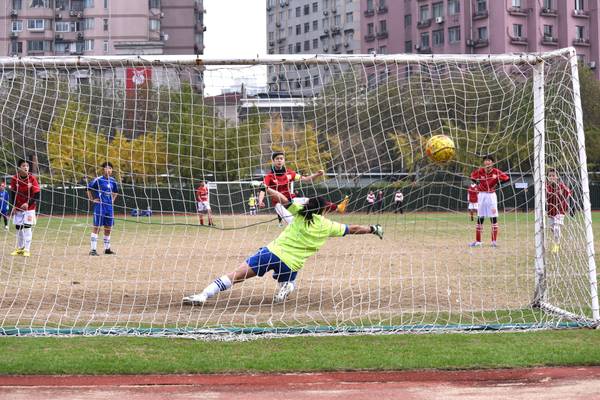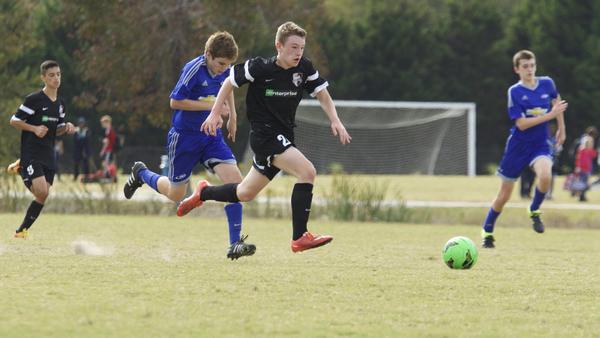

When the goals start flying in, football can feel more like a basketball scoreline than the grassroots game you’re used to. A 5–4 thriller gets the parents buzzing on the sidelines, but for coaches and managers, it’s a test of composure and quick thinking. To manage high scoring football games effectively, you need more than just luck, you need clear psychology, smart tactics, sharp communication, and the right tools to keep your team grounded.
The Psychology of a High-Scoring Game
The first battle isn’t tactical, it’s mental. When goals are rattling in at both ends, players can lose perspective. Some switch off defensively because they think the game is already won. Others panic and chase every ball, leaving gaps for the opposition to exploit.
Take a Saturday morning under-14s match as an example. Your team goes 3–1 up in the first 20 minutes. Parents are cheering, players are grinning, and suddenly your full-backs are 30 yards further forward than you’d like. Within minutes, it’s 3–3. That’s the reality of grassroots football, momentum can flip in an instant.
Key points to reinforce with your players:
Treat the scoreline as irrelevant until the final whistle.
Stay disciplined in defence even when ahead.
Accept that conceding goals in a high-scoring game doesn’t mean failure, it’s part of the contest.
Think of it like a rollercoaster. Exciting, fast, and unpredictable, but the safety bar (discipline) must stay locked in place. Without it, the ride becomes dangerous.
For more on the values and unpredictability of local football, check out what grassroots football really means.
Tactical Adjustments on the Fly
High-scoring matches often expose weaknesses in your setup. That’s not always bad; it just means adaptation is vital. Good managers don’t cling to their pre-match plan if it’s clearly not working.
Shoring up the defence: If you’re conceding freely, add an extra player into midfield to close spaces. Even something simple like shifting from a 4-4-2 to a 4-5-1 can calm the game down.
Targeting key threats: If their striker is running riot, assign a dedicated marker or adjust the back line’s positioning.
Managing transitions: Encourage midfielders to track back faster. Many goals in chaotic games come from players not recovering their positions.
One manager I knew compared it to a leaking roof. You don’t leave it dripping; you patch it immediately. The same goes for conceding goals, plug the gaps before the whole house floods.
If you need help with shape and balance, our guides on best football formations and tactics for 9-a-side are excellent starting points.
Communication is Key
When a game becomes frantic, communication keeps order. Players need short, sharp reminders on positioning, encouragement after mistakes, and clear tactical instructions.
From the sideline, your role is like a conductor holding together a noisy orchestra. Shouting isn’t enough, the message has to be simple and constant. “Hold the line.” “Two banks of four.” “Track back.” Players need cues they can process quickly.
TeamStats’ team management app strengthens this further. You can share line-ups, tactical notes, and reminders before the game even kicks off, so players walk onto the pitch already knowing their roles. Afterward, post-match communication keeps everyone aligned for training and the next fixture.
Fitness and Stamina Matter Most in Goal-Fests
High-scoring games usually mean high intensity. Players are pressing, chasing, and countering more than in a steady 1–0. Without fitness, mistakes creep in.
If your players are flagging after 60 minutes, they’ll switch off in defence or mis-hit a pass in attack. Conditioning during training is non-negotiable, and substitutions become tactical weapons, not just a chance to give someone minutes.
Rotate smartly: Save at least one sub for the final 20 minutes.
Train endurance: Mix sprints with longer runs to mirror match demands.
Rest wisely: Tired players make errors, keep fresh legs in key positions.
Think of fitness as fuel in a car. In a high-scoring match, you’re burning through it faster than usual. Without enough in the tank, you won’t finish the journey.
Maintaining Discipline Under Pressure
The hardest part of managing high scoring matches is discipline. When adrenaline’s flowing, even disciplined players can forget instructions.
Take full-backs, for example. If you’ve told them to stay compact, the lure of pushing forward into open space during a goal-fest can be too strong. One overlap too many, and suddenly the opposition are sprinting into the gap behind.
As a coach, you need to keep hammering home responsibilities:
Stick to roles regardless of score.
Defend first, attack second if the balance is slipping.
Avoid reckless fouls or diving in when fatigued.
If you want to dig deeper into positional discipline, see our explainer on the “Number Six” position, a great example of how a single role can steady the entire team.
Reviewing and Learning Afterwards
The final whistle isn’t the end of the job. High-scoring games offer brilliant learning opportunities. Was your midfield too open? Did fitness levels drop? Were tactical instructions followed under pressure?
TeamStats’ Analyse feature gives you access to detailed match reports and player statistics. That means you can go beyond “we won 6–5” and instead see where goals came from, who made the key contributions, and which areas need work.
Encourage players to be part of this process. Ask them what they felt during the chaos. Did they lose focus? Were they unsure of instructions? This honesty creates a stronger collective response next time.
Tools to Help You Manage
Chaotic matches are a reminder of why smart team management tools matter. TeamStats isn’t just about logging results, it’s about giving you control when everything else feels unpredictable.
Organise: Match scheduling and player availability to keep your squad consistent.
Analyse: Performance reports and stats to identify trends.
Communicate: Integrated messaging, websites, and media sharing to keep the whole team aligned.
When you combine these, you don’t just react to high-scoring matches, you prepare for them. You’re giving yourself the same edge grassroots teams need week in, week out.
For more inspiration on keeping your club running smoothly, explore our guide to grassroots football fundraising ideas.
Next Steps
Managing goal-heavy matches is never easy, but it’s also what makes football so thrilling. By preparing mentally, adjusting tactically, and keeping communication sharp, you’ll give your team the best chance to thrive.
Here’s what you can do now:
Explore TeamStats: Visit our homepage to see how the platform helps with everything from line-ups to communication.
Start a free trial: Experience the features yourself and see how they fit into your team.
Get in touch: If you’ve got questions or need support, contact us.
Managing high scoring football games doesn’t have to feel like chaos. With the right mindset, tactics, and tools, you can keep control, even when the goals just keep coming.