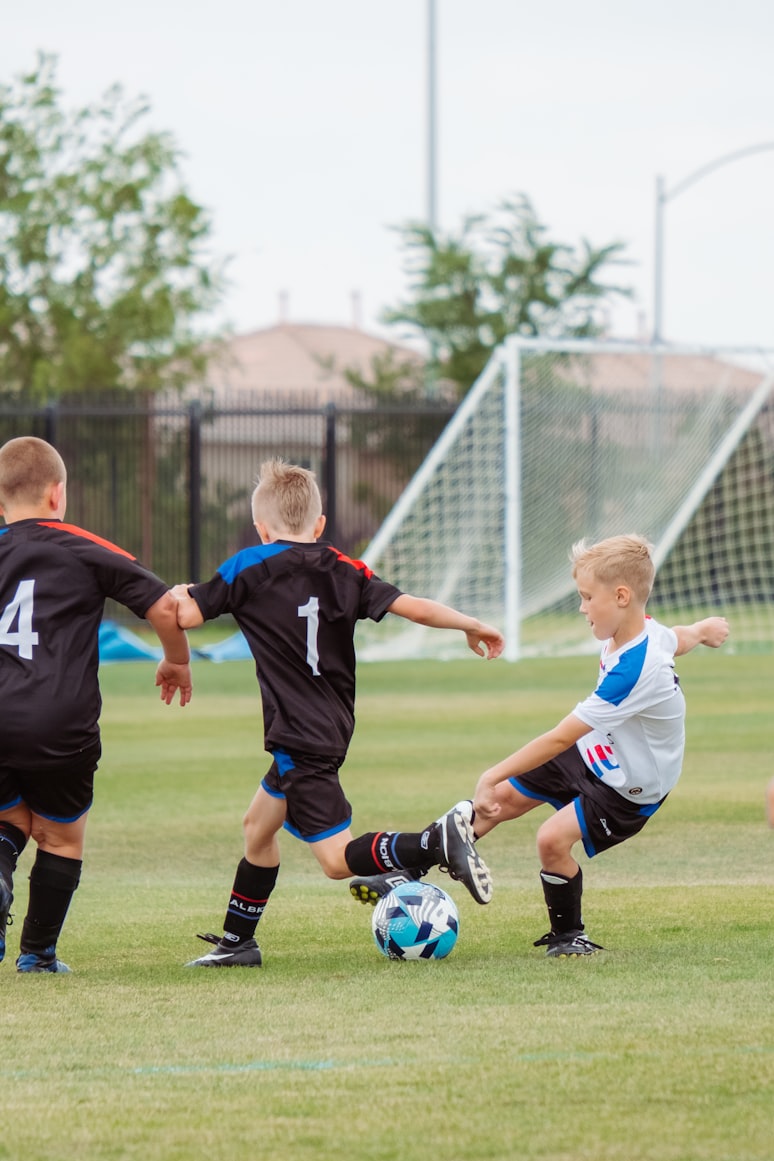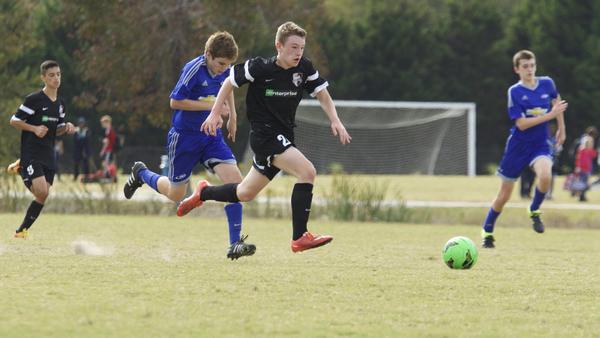

Grassroots football teams fall apart not from tactical mistakes or poor results, but from communication breakdowns. When parents miss fixture changes, players arrive unprepared, or coaches feel unsupported, even the most talented squad struggles. The difference between a thriving team and one that collapses mid-season often comes down to how effectively everyone communicates.
Open communication football extends beyond simply sharing information. It creates an environment where parents feel comfortable asking questions, players voice concerns, and coaches receive honest feedback. This transparency builds trust, reduces conflicts, and ensures everyone works towards the same goals. For volunteer managers juggling work, family, and team responsibilities, establishing clear communication channels saves hours of repeated messages and prevents the frustration of last-minute chaos.
The challenge lies not in recognising communication's importance, but in creating systems that work for busy volunteers. Traditional methods - group texts, email chains, and word-of-mouth - quickly become overwhelming when managing 15-20 players, their families, and coaching staff. Modern football coaching apps address these challenges by centralising communication, but technology alone doesn't solve the problem. Teams need structured approaches that encourage genuine dialogue rather than one-way information dumps.
Understanding Communication Barriers in Grassroots Football
Several obstacles prevent open communication football teams from achieving their potential. Time constraints rank highest - parent-coaches often manage teams whilst working full-time, leaving little bandwidth for detailed conversations. Many send hurried messages late at night, leading to misunderstandings or missed information.
Cultural factors also play a role. Some parents hesitate to question coaching decisions, fearing they'll appear difficult. Others bombard managers with excessive messages about minor issues. This imbalance creates tension, with crucial concerns going unvoiced whilst trivial matters consume disproportionate attention.
Technical barriers compound these issues. When communication spreads across WhatsApp groups, email threads, and face-to-face conversations, important information gets lost. A parent might miss a venue change announced in a WhatsApp message whilst checking emails. Another might not see the training cancellation posted in the group chat during a busy workday.
Generational differences in communication preferences add another layer of complexity. Younger parents typically prefer app-based messaging, whilst older volunteers might favour phone calls or face-to-face discussions. Accommodating these preferences without fragmenting communication requires deliberate planning.
Building a Communication Framework
Successful teams establish clear protocols that define how, when, and where different types of communication occur. This structure prevents confusion and ensures everyone knows where to find information.
Designated Communication Channels
Assign specific purposes to each communication method. Match day information might always come through a team management app, whilst training updates use a dedicated group chat. Urgent changes could require phone calls, whilst non-urgent administrative matters go through email. This separation prevents important messages from drowning in general chatter.
Define response expectations for each channel. Parents should know that match availability requires responses within 48 hours, whilst training attendance confirmations need 24-hour notice. Clear expectations reduce anxiety and prevent managers from chasing responses at the last minute.
Regular Communication Rhythms
Establish predictable communication patterns. Weekly team updates sent every Sunday evening, for example, help parents plan their week. Mid-week training reminders on Tuesday mornings ensure players come prepared. These consistent touchpoints create routine, reducing the mental load on both managers and families.
Seasonal communication calendars help teams anticipate key dates. Highlighting registration deadlines, tournament weekends, and fundraising events months in advance allows families to plan around commitments. This proactive approach prevents the scrambling that occurs when important dates appear suddenly.
Information Hierarchy
Not all communication carries equal urgency. Categorise messages as critical (venue changes, cancellations), important (match day details, selection), or general (social events, club news). Visual indicators - colours, tags, or priority markers - help recipients quickly identify what requires immediate attention.
Creating Safe Spaces for Difficult Conversations
Open communication football requires psychological safety. Parents and players must feel comfortable raising concerns without fear of negative consequences. Several approaches foster this environment.
Scheduled Check-Ins
Regular one-to-one conversations between coaches and parents prevent small issues from festering. Brief five-minute chats after training every few weeks allow parents to discuss player development, address concerns, or ask questions they might hesitate to raise publicly. These conversations demonstrate that coaching staff value parent input and welcome dialogue.
Player check-ins serve similar purposes. Asking how players feel about their position, what they're enjoying, and what challenges they face shows genuine interest in their development. These conversations often reveal issues - friendship problems, confidence struggles, or family pressures - that affect performance but might never surface otherwise.
Anonymous Feedback Mechanisms
Some concerns require anonymity. Mid-season surveys asking parents to rate communication effectiveness, training quality, and team culture provide valuable insights without putting anyone on the spot. Questions should focus on specific, actionable areas rather than vague satisfaction ratings.
Digital forms work well for this purpose, allowing parents to submit feedback privately. Crucially, managers must act on this feedback and communicate changes made in response. Without visible action, anonymous feedback systems lose credibility and participation drops.
Conflict Resolution Protocols
Disputes inevitably arise in competitive environments. Establishing clear conflict resolution processes prevents disagreements from escalating. A simple three-step approach works for most situations: direct conversation between parties, mediation by a neutral team official, and escalation to club leadership only if necessary.
Document this process and share it at the season's start. When conflicts emerge, referring to the agreed protocol depersonalises the situation and provides structure for resolution.
Encouraging Two-Way Communication
Many teams inadvertently create one-way communication flows where managers broadcast information but rarely receive meaningful input. Transforming this dynamic requires intentional effort.
Ask Specific Questions
Generic requests like "any questions?" rarely elicit responses. Specific questions prompt engagement: "Does the 9am Sunday kick-off time work for everyone?" or "Would Thursday or Friday training suit families better?" People respond more readily to concrete questions requiring simple answers.
Polls and quick surveys make responding easy. Rather than asking parents to compose detailed messages about preferred training times, offer three options and let them vote. This approach respects their time whilst gathering necessary input.
Acknowledge and Act on Input
When parents or players share suggestions, acknowledge them promptly even if immediate action isn't possible. "Thanks for raising this - we'll discuss it with the coaching team" shows their input matters. Following up later with outcomes demonstrates genuine consideration: "We've decided to implement your suggestion about warm-up routines starting next week."
This responsiveness encourages continued engagement. Parents who see their input valued contribute more actively to team communication.
Share Decision-Making Rationale
Explaining the reasoning behind decisions builds understanding and trust. When selecting players for matches, briefly sharing the criteria considered - recent training attendance, positional balance, rotation policy - helps parents accept outcomes even when disappointed. This transparency prevents speculation and reduces conflict.
Tactical decisions benefit from similar explanation. After matches, discussing why certain formations or substitutions occurred helps parents understand coaching logic. This education elevates conversations beyond simplistic "why didn't my child play more?" complaints to genuine tactical discussions.
Leveraging Technology Effectively
Digital tools streamline communication, but only when used thoughtfully. Technology should enhance human connection, not replace it.
Centralised Information Hubs
Platforms like TeamStats consolidate fixtures, availability tracking, and team communications in one location. This centralisation eliminates the frustration of searching through multiple channels for basic information. Parents check one place for everything team-related, whilst managers avoid sending the same information through multiple channels.
Player availability tracking demonstrates technology's practical value. Rather than manually collecting responses through messages, digital systems allow parents to update availability directly. Managers see real-time squad numbers, enabling better planning without chasing individual responses.
Automated Routine Communications
Technology excels at handling repetitive tasks. Automated match day reminders sent 48 hours before kick-off ensure everyone receives consistent information without manager effort. Training reminders, kit requirements, and venue details can all flow automatically once configured.
This automation frees managers to focus on communication that genuinely requires personal attention - discussing player development, addressing concerns, or building team culture.
Preserving Personal Connection
Despite technology's efficiency, certain conversations demand face-to-face interaction. Discussing a child's struggles, delivering difficult feedback, or addressing sensitive team issues shouldn't occur through apps or messages. Recognising when personal conversation matters prevents communication breakdowns that damage relationships.
Balance digital efficiency with human warmth. A quick "well played today" message after matches shows personal attention that generic team announcements can't replicate.
Managing Communication Overload
Whilst insufficient communication creates problems, excessive messaging overwhelms recipients and leads to disengagement. Finding the right balance requires discipline.
Consolidate Updates
Rather than sending individual messages as information arises, batch non-urgent updates into scheduled communications. A single weekly update covering fixtures, training plans, and administrative matters proves less intrusive than five separate messages throughout the week.
Emergency communications - cancellations, urgent venue changes - obviously warrant immediate messages, but routine information can wait for scheduled slots.
Respect Boundaries
Establish communication boundaries that protect everyone's personal time. Avoid sending non-urgent messages late at night or early morning. Weekend messages should relate only to imminent fixtures. This respect for boundaries prevents team communication from feeling invasive.
Managers deserve similar protection. Setting "office hours" for non-urgent queries - perhaps 7-9pm weeknights - prevents the expectation of constant availability. Parents quickly adapt to these boundaries when communicated clearly.
Empower Communication Leads
Larger teams benefit from designated parent representatives who handle routine communications, freeing managers for coaching and organisation. These volunteers can field basic questions, coordinate social events, and manage group communications under the manager's guidance.
This distribution prevents manager burnout whilst creating more communication touchpoints for parents.
Building Communication Skills Across the Team
Open communication football improves when everyone develops relevant skills. Brief education helps parents and players communicate more effectively.
Teaching Players Communication Basics
Young players often struggle to articulate concerns or ask questions. Simple training exercises build these skills. Practice sessions where players must communicate tactical instructions to teammates, for example, develop confidence in speaking up.
Encouraging players to approach coaches with questions normalises dialogue. When coaches respond positively to player-initiated conversations, it models healthy communication patterns.
Supporting Parent-Coach Dialogue
Many parents lack frameworks for discussing their child's football development. Providing simple guidance - focusing on effort and attitude rather than selection, asking about enjoyment before results - helps conversations stay constructive.
Pre-season meetings that address common concerns proactively prevent many difficult conversations. Explaining selection policies, development philosophies, and communication expectations establishes shared understanding from the outset.
Measuring Communication Effectiveness
Teams should periodically assess whether communication serves its purpose. Simple metrics provide insight:
Response rates to availability requests Time required to organise matches or events Number of parents reporting they missed important information Frequency of last-minute clarification requests
Declining response rates or increasing confusion signals communication breakdowns requiring attention. Regular pulse checks - brief quarterly surveys asking what's working and what isn't - identify issues before they escalate.
Conclusion
Creating open communication football teams transforms grassroots football from a source of stress into an enjoyable, rewarding experience. When parents receive clear, timely information through accessible channels, when players feel heard and valued, and when coaches receive the support they need, teams thrive regardless of results on the pitch.
The foundation lies not in perfect systems but in genuine commitment to dialogue. Technology like team management apps provides essential infrastructure, but human effort - taking time for conversations, responding thoughtfully to concerns, and continuously improving processes - creates truly open communication cultures.
For volunteer managers, investing time in communication frameworks pays immediate dividends. Hours spent chasing responses or clarifying confusion disappear. Conflicts that once consumed emotional energy resolve quickly. Parents become partners in player development rather than sources of stress. Most importantly, players benefit from consistent, coordinated support that accelerates their football journey.
Open communication football teams don't happen accidentally. They result from deliberate choices about how information flows, how concerns surface, and how everyone contributes to collective success. Start with small changes - consolidating communications, establishing regular check-ins, or implementing digital availability tracking. Each improvement builds momentum towards a culture where everyone feels informed, valued, and connected to the team's shared purpose.
Ready to transform your team's communication? Discover how TeamStats centralises information and streamlines dialogue for grassroots football teams across the UK.
═══════════════════════════════════════════════════════════════