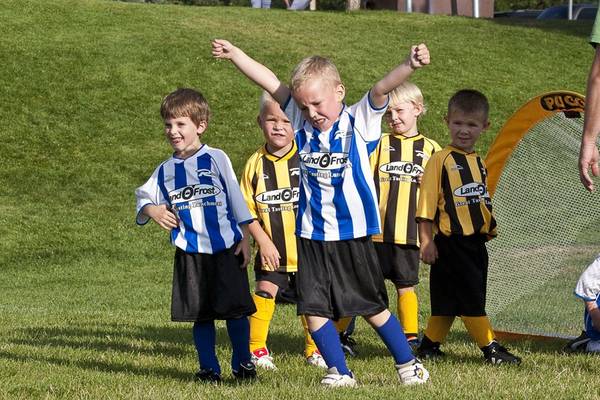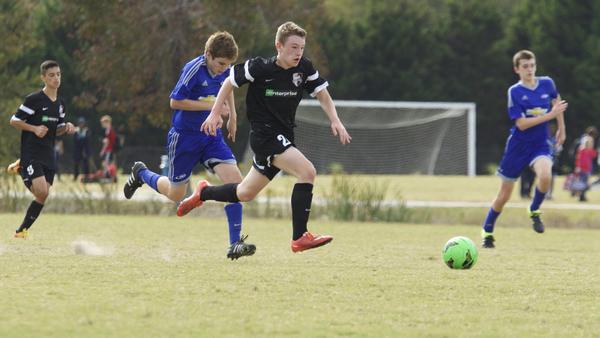

A young defender makes their 50th appearance for the under-12s. A striker scores their first competitive goal after months of trying. A goalkeeper keeps their tenth clean sheet of the season. These moments matter deeply to grassroots players, yet they often pass without proper recognition beyond a quick mention at training.
The challenge for volunteer managers and coaches lies not in wanting to celebrate these achievements, but in finding the time and platform to do so effectively. Between organising training sessions, managing fixture schedules, and coordinating with parents, creating meaningful recognition for individual players often falls to the bottom of the priority list.
Digital platforms now offer grassroots teams practical ways to celebrate football player milestones without adding hours to already busy schedules. When done thoughtfully, online recognition builds player confidence, strengthens team culture, and creates lasting memories that extend far beyond the final whistle.
Why Player Milestones Matter in Youth Development
Recognition serves a fundamental purpose in youth football development that extends beyond simply making players feel good. Research from the FA's Youth Development Review consistently shows that players who feel valued and recognised demonstrate higher retention rates and greater long-term engagement with the sport.
For grassroots football players aged 6-16, milestones provide tangible markers of progress during a developmental period when improvement can feel abstract. A child working on their weaker foot might not recognise their own improvement week to week, but celebrating their first goal scored with that foot creates a concrete moment of achievement they can anchor to.
Impact on Different Player Types
The psychological impact proves particularly significant for players who don't naturally stand out on the pitch. Whilst the prolific scorer or commanding centre-back might receive regular praise during matches, celebrating milestones allows recognition of the consistent defender making their 100th appearance or the midfielder who's attended every training session for six months. These moments validate different types of contributions and reinforce that football success takes many forms.
Parent Engagement Benefits
Parent engagement increases substantially when clubs actively recognise individual achievements. Families invest considerable time and money supporting their children's football journey, and seeing that commitment acknowledged through milestone celebrations strengthens their connection to the team. This engagement often translates into increased volunteering, better communication, and more supportive touchline behaviour.
The Digital Advantage for Grassroots Teams
Traditional milestone recognition typically relied on physical presentations during training or match days, creating logistical challenges for time-poor volunteer managers. Digital platforms fundamentally change this equation by enabling recognition that reaches the entire team community simultaneously, regardless of who attended that particular session.
Permanent Records and Extended Reach
Online celebration creates a permanent record that players and families can revisit years later. The photograph of a player receiving their 50-appearance certificate at training gets lost in a drawer within months, but the digital post celebrating that achievement remains accessible indefinitely. Parents regularly report revisiting these milestone posts during difficult periods in their child's football journey, using them as reminders of what they've already achieved.
The reach of digital recognition extends beyond immediate team members to wider family networks. When a grandmother in one region can see her grandchild's milestone celebrated by their team elsewhere, it strengthens family connections and creates shared pride that transcends geography. This extended reach proves particularly valuable for military families or those with relatives living abroad.
Automation Through Technology
Team management apps now automate much of the milestone tracking that previously required manual record-keeping. Appearance counts, goal tallies, and attendance streaks get calculated automatically, allowing managers to focus on creating meaningful recognition rather than maintaining spreadsheets.
Types of Milestones Worth Celebrating
Appearance-based milestones provide the most inclusive form of recognition because they reward commitment rather than natural ability. Celebrating a player's 25th, 50th, or 100th appearance acknowledges their dedication to the team regardless of their technical skill level. These milestones prove particularly valuable for late developers who might not yet be scoring goals but demonstrate exemplary commitment.
For younger age groups (under-7s to under-9s), consider celebrating every 10 appearances to maintain regular recognition during formative years. As players progress into older age groups, spacing milestones at 25-appearance intervals provides appropriate recognition without becoming routine.
Goal and Scoring Achievements
Goal milestones work well when celebrated thoughtfully. Recognising a striker's 50th goal feels appropriate, but celebrating their first, fifth, and tenth goals maintains engagement during their development. For players who rarely score, their first competitive goal deserves significant celebration regardless of when it arrives. A defender scoring their debut goal in their third season merits the same recognition as a striker reaching double figures.
Defensive and Goalkeeper Milestones
Defensive achievements require equal prominence to attacking milestones. Clean sheets, successful tackles, and defensive appearances all warrant celebration. Digital tracking features allow managers to identify these contributions that might otherwise go unnoticed, ensuring defenders and goalkeepers receive recognition proportionate to their importance.
Personal Development Markers
Personal development milestones often prove most meaningful to players themselves. Celebrating a player's first match with their weaker foot, their progression to a new position, or their return from long-term injury acknowledges individual growth beyond statistics. These milestones require manager awareness and intentionality but create deeply personal recognition.
Attendance and Attitude Recognition
Attendance and attitude milestones reinforce behaviours that strengthen team culture. Perfect attendance for a term, consistent early arrival, or exemplary sportsmanship over a season all merit celebration. These recognitions communicate team values and validate players who contribute through commitment rather than performance alone.
Creating Meaningful Online Celebrations
The quality of football player milestones recognition matters far more than its frequency. A thoughtful post that explains why an achievement matters to that specific player creates more impact than a generic template repeated for every milestone. Taking three minutes to write genuinely about what a player has contributed generates recognition they'll remember for years.
Using Photography Effectively
Photographs transform milestone posts from announcements into memories. The image doesn't need professional quality, but it should capture the player in a moment that reflects their contribution. An action shot from a recent match proves more engaging than a posed team photo where the celebrated player is barely visible. For privacy-conscious families, photographs that don't clearly show faces, whilst still capturing the moment, provide an alternative.
Adding Context and Narrative
Context elevates milestone celebrations from statistics to stories. Rather than simply announcing "Sarah reaches 50 appearances," explaining that these appearances span three seasons, two different positions, and include never missing a match during her under-10s year creates narrative depth. This context helps teammates and parents appreciate the achievement's significance.
Including Teammate and Coach Quotes
Teammate and coach quotes add personal dimension to milestone posts. A brief comment from the captain about what the player brings to the team, or a coach's observation about their development, transforms the celebration from an administrative announcement to genuine recognition. These quotes needn't be lengthy - two sentences from someone who knows the player's contribution often suffice.
Timing Recognition Appropriately
Timing matters for milestone celebrations. Posting recognition within 24 hours of the achievement maintains immediacy and relevance. Delayed recognition loses impact as the team community's attention moves to upcoming fixtures. Football coaching apps with milestone tracking features can alert managers when players approach significant achievements, enabling timely celebration.
Platform Selection for Milestone Recognition
Private team communication channels offer the most appropriate platform for youth team milestone celebrations. Closed WhatsApp groups, team apps, or private social media groups ensure content reaches team families whilst maintaining appropriate privacy boundaries. Public social media posts require explicit parental consent and create safeguarding considerations that private channels avoid.
Aligning with Existing Communication
The platform should align with where team communication already happens. If parents check the team app daily for fixture updates but rarely visit the Facebook group, milestone posts belong in the app. Fragmenting recognition across multiple platforms reduces visibility and creates additional work for managers.
Integrated Team Management Platforms
Integrated platforms provide milestone tracking and celebration features within the same system that teams use for fixture management and communication. This integration ensures milestone celebrations reach the entire team community without requiring parents to check multiple platforms. The automated tracking removes the manual record-keeping burden while the communication features enable immediate recognition.
Club-Wide Recognition Opportunities
For teams managing multiple age groups, club-wide platforms allow cross-team celebration. Younger players seeing older teammates celebrated for 100 appearances or 50 goals creates aspirational targets and strengthens club identity. This visibility proves particularly valuable for grassroots football clubs building long-term player pathways.
Video Platforms for Major Milestones
Video platforms suit certain milestone types particularly well. A compilation of a player's goals throughout the season celebrating their scoring milestone creates shareable content that families treasure. However, video creation requires significantly more time investment than written posts with photographs, making it appropriate for major milestones rather than routine recognition.
Maintaining Consistency Without Burnout
Creating sustainable football player milestones recognition requires systems that don't depend on managers remembering to check statistics manually. Automated tracking that alerts managers when players approach milestones enables proactive planning rather than reactive scrambling. Setting aside 15 minutes weekly to review upcoming milestones and prepare recognition maintains consistency without overwhelming busy schedules.
Template Frameworks for Efficiency
Template frameworks speed creation whilst maintaining personalisation. A basic structure covering the milestone achieved, context about the player's journey, and their contribution to the team provides consistency whilst allowing customisation for each individual. The framework ensures no milestone post takes more than five minutes to create once the manager knows what they want to say.
Delegating Recognition Responsibilities
Delegating milestone recognition to assistant coaches or team parents distributes the workload whilst increasing engagement. A parent volunteer managing milestone posts under manager supervision creates additional team involvement and brings different perspectives to recognition. Clear guidelines about tone, privacy, and approval processes ensure consistency whilst sharing responsibility.
Seasonal and Batch Processing Approaches
Seasonal rather than weekly milestones reduce frequency whilst maintaining impact. End-of-season recognition posts celebrating each player's individual achievements create comprehensive celebration without requiring constant attention throughout the campaign. This approach works particularly well for teams where volunteer managers have limited time during the season.
Batch processing milestone content during quieter periods maintains consistency during busy match schedules. Preparing milestone post templates during pre-season, drafting recognition for anticipated achievements, and scheduling posts in advance ensures recognition continues even during hectic fixture periods.
Privacy and Safeguarding Considerations
Written parental consent must precede any online player recognition that includes photographs, full names, or specific personal information. The FA's safeguarding guidelines require explicit permission for each type of content shared online, with consent forms specifying exactly what will be shared and where. Generic consent forms don't satisfy these requirements - specificity matters.
Appropriate Player Identification
First names without surnames provide appropriate identification for milestone posts whilst maintaining privacy. "Jake reaches 50 appearances" communicates the achievement to team families who know Jake without creating searchable content linking his full identity to the team. This approach balances recognition with protection.
Photograph Selection Criteria
Photograph selection requires careful consideration of what the image reveals beyond the celebrated player. Background details showing school uniforms, house numbers, or other identifying information create unintended privacy risks. Reviewing photographs specifically for background content before posting prevents accidental disclosure.
Age-appropriate recognition differs between youth and adult teams. Celebrating Sunday league adult players' milestones on public social media raises fewer concerns than similar posts about under-10s. The younger the age group, the more restrictive privacy practices should become.
Regular Consent Reviews
Regular consent reviews ensure permissions remain current as children age and family circumstances change. Annual consent form updates at the start of each season allow families to modify their preferences and ensure managers maintain accurate records of what recognition each family finds acceptable.
Measuring the Impact of Milestone Recognition
Player retention provides the clearest indicator of an effective recognition culture. Teams that consistently celebrate individual achievements typically demonstrate higher year-on-year retention rates than those focusing solely on team results. Tracking which players return each season and comparing retention between teams with different recognition practices reveals impact.
Qualitative Feedback Collection
Parent feedback offers qualitative insight into how milestone recognition affects team culture. Simple end-of-season surveys asking families what they valued most about their child's football experience consistently rank individual recognition highly when it's done well. This feedback helps managers understand which milestone types resonate most strongly.
Observable Confidence Changes
Player confidence changes become visible through coach's observation over time. Players who receive regular milestone recognition often demonstrate increased willingness to attempt new skills, volunteer for challenging positions, and support teammates. These behavioural changes indicate that recognition is building the confidence foundation that youth development requires.
Social Media Engagement Metrics
Social media engagement metrics provide useful feedback on recognition effectiveness. Posts celebrating individual milestones typically generate higher engagement than general team updates, indicating that personalised content resonates more strongly with team communities. Monitoring which milestone types generate the most responses helps refine future recognition.
Building a Recognition Culture Beyond Milestones
Consistent milestone celebration creates a foundation for a broader recognition culture where contribution gets noticed regularly. Teams that establish milestone recognition systems find it easier to implement player-of-match awards, training star recognition, and values-based acknowledgements because the infrastructure and habits already exist.
Peer Recognition Systems
Peer recognition amplifies the impact of manager-led milestone celebrations. Creating opportunities for players to nominate teammates for recognition builds team cohesion while distributing the validation beyond coach-player relationships. Simple systems where players vote for a teammate who demonstrated team values each week require minimal management time whilst strengthening culture.
Recognition Diversity
Recognition diversity ensures all player types receive acknowledgement. Balancing performance-based milestones with effort-based recognition, statistical achievements with behavioural acknowledgements, and individual milestones with team celebrations creates an inclusive culture where every player sees themselves valued.
Conclusion
Celebrating football player milestones online transforms recognition from an occasional afterthought into a systematic practice that strengthens player development, team culture, and family engagement. Digital platforms remove the logistical barriers that previously prevented consistent milestone celebration, enabling volunteer managers to create meaningful recognition without adding unsustainable workload.
The most effective milestone recognition combines automated tracking with personal touches - systems that identify achievements whilst managers add the human context that makes recognition meaningful. Appearance milestones, goal celebrations, defensive achievements, and personal development markers all deserve acknowledgement when presented thoughtfully through appropriate channels.
Privacy and safeguarding must guide every recognition decision, with explicit consent and age-appropriate practices protecting young players whilst enabling celebration. The balance between recognition and protection requires ongoing attention but proves achievable through clear policies and careful implementation.
Teams that establish consistent milestone recognition create culture where individual contribution gets valued alongside team results. This culture change particularly benefits late developers, consistent contributors, and players whose strengths lie beyond scoring goals - exactly the players grassroots football most needs to retain. When every player sees their journey acknowledged through thoughtful milestone celebration using platforms like TeamStats, they develop the confidence and commitment that sustains lifelong engagement with football.
═══════════════════════════════════════════════════════════════